
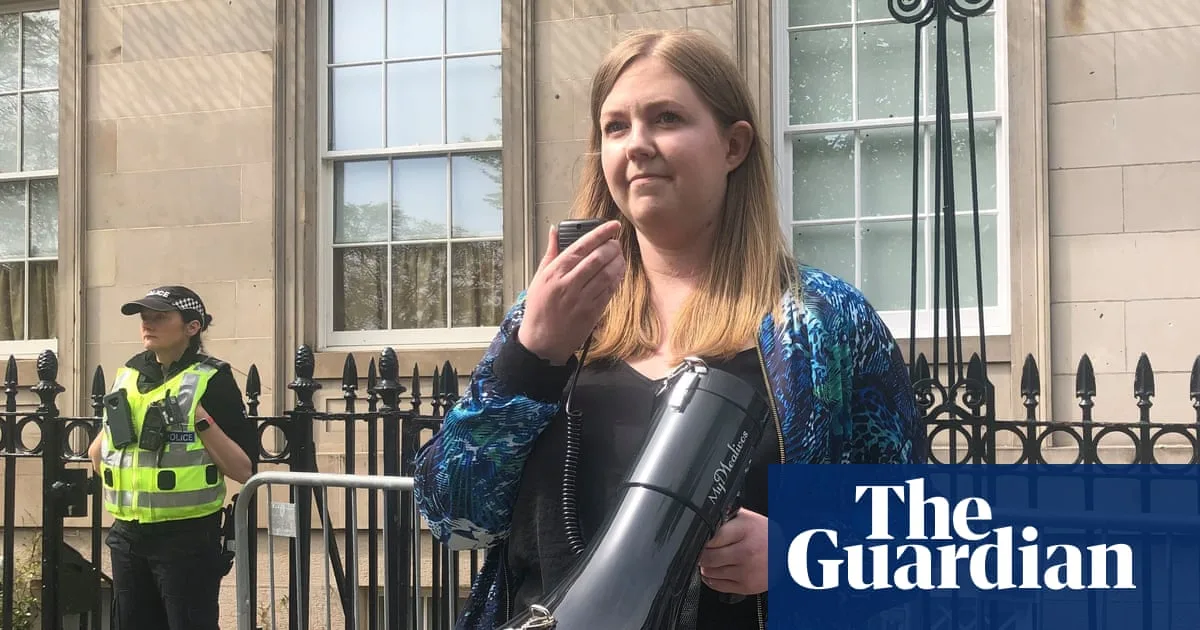
MSP Gillian Mackay has called on the Scottish Greens to broaden their appeal beyond middle-class urbanites and connect with voters in industrial towns facing job losses. Mackay, a candidate for the party's co-leadership, highlighted the devastation in her Falkirk constituency, including the closure of the Grangemouth oil refinery, which has affected thousands of jobs.
Mackay criticised both the Scottish and UK governments for failing to implement an industrial strategy to guarantee green jobs, despite knowing about the refinery's closure. She also noted that two factories owned by Alexander Dennis, which manufacture electric buses, are expected to close, with jobs moving to Nottinghamshire. Farmers and oil industry workers in Aberdeen also feel excluded from the green transition.
“The Green narrative of green jobs and green industry actually needs to have teeth,” Mackay said. She argued that the party excels at high-level policy but struggles to make it meaningful to those directly affected. “What matters to our voters is what they see, feel and hear in their communities and I don’t think we’re quite cutting through at that level.”
The Scottish Greens, who currently have seven MSPs, are the fourth largest party at Holyrood and support the SNP minority government. Recent polls suggest the Greens could reach 15% of the vote, potentially winning more seats in next year's elections. Voting for the two co-convener posts opened on Wednesday, with around 7,500 party members eligible to vote. The result will be announced on 29 August.
Alongside Mackay, the candidates are Lorna Slater, the current co-convener; Ross Greer, a backbencher; and Dominic Ashmole, a party activist. Greer is seen as a favourite for one post, while the contest for the second is between Slater and Mackay. Slater presents herself as the experienced continuity candidate, despite controversy over her failed deposit return scheme. Greer advocates for stronger leadership and clearer policies on poverty, climate, and nature.




