The daughters of a deceased New York podiatrist have made a startling revelation about former President Donald Trump's Vietnam War draft avoidance, claiming their father provided a crucial medical diagnosis as a personal favour to the Trump family.
Family Lore Emerges Decades Later
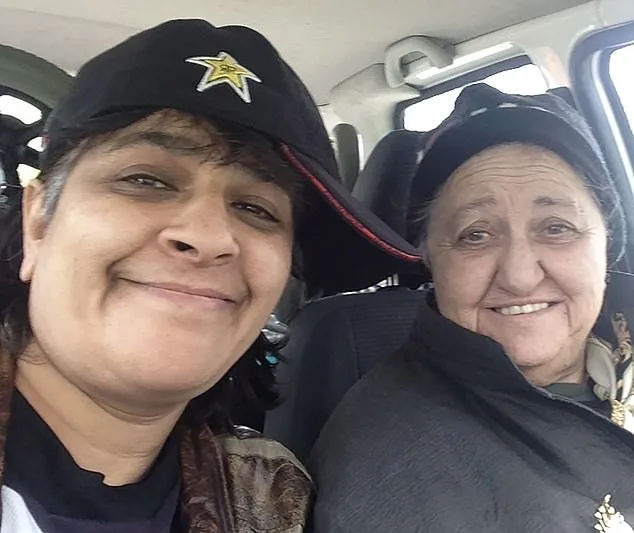
Dr Elysa Braunstein and Sharon Kessel, daughters of the late Dr Larry Braunstein, have shared what they describe as "family lore" with the New York Times. According to their account, their father, who practised podiatry in Queens until his death in 2007, diagnosed Donald Trump with bone spurs specifically to help him avoid military service during the Vietnam War era.
"It was something we would always discuss within our family and close friends," explained Elysa Braunstein to the Times, characterising the story as longstanding family knowledge that had been passed down through conversations over decades.
The Alleged Favourable Diagnosis
The daughters assert that their father's diagnosis came as a gesture of goodwill toward Fred Trump, Donald Trump's father, during the late 1960s. Records confirm that Dr Braunstein leased his medical office in Jamaica, Queens from Fred Trump during this period, establishing a landlord-tenant relationship between the families.
"I know it was a favour," stated Elysa Braunstein, suggesting this "small favour" granted her father preferential treatment from the Trump patriarch regarding building maintenance and other practical matters. She elaborated that whenever issues arose with the medical office premises, her father could contact Fred Trump directly and receive immediate assistance.
Questions About Medical Examination
Significantly, Elysa Braunstein admitted uncertainty about whether her father actually examined Donald Trump personally. She indicated that her father had hinted the future president didn't genuinely suffer from any foot condition, raising questions about the legitimacy of the diagnosis that enabled Trump's draft exemption.
The New York Times investigation found no documentary evidence to substantiate the family's claims, leaving the story in the realm of oral history rather than verified fact. This absence of paper trail adds complexity to assessing the accuracy of these decades-old recollections.
Historical Context of Trump's Draft Avoidance
Donald Trump received his bone spurs diagnosis in 1968 at age 22, shortly after graduating from the University of Pennsylvania. This medical exemption came two years after he had been declared available for military service and had passed a physical examination.
Remarkably, this was Trump's fifth successful avoidance of the military draft, following four previous deferments granted while he pursued his education. The bone spurs diagnosis proved decisive in securing his final exemption from Vietnam War service.
Trump's Own Recollections
During a 2016 interview, Trump recalled that "a doctor gave me a letter – a very strong letter – on the heels" which he submitted to draft authorities. However, when questioned further, he couldn't remember the physician's identity, creating a historical gap that the Braunstein family's story attempts to fill.
Medical experts note that heel spurs develop as bony growths resulting from calcium deposits on the heel bone. Standard treatments include stretching exercises, orthotic devices, or surgical intervention, though Trump has maintained he never underwent surgery for this condition.
Broader Health Questions
Questions about Donald Trump's health have persisted throughout his political career, resurfacing during his second presidential term. His medical team recently disclosed that the president has been diagnosed with chronic venous insufficiency, a vascular condition affecting veins in the arms or legs that can cause swelling, throbbing sensations, and discomfort.
This latest health disclosure adds another layer to ongoing discussions about presidential fitness for office, while the Braunstein family's story provides new perspective on long-standing questions about Trump's Vietnam-era medical exemption.
The emergence of this family narrative, though unverified by documentary evidence, offers intriguing insight into how personal relationships and favours may have intersected with the military draft system during a contentious period in American history.




