Trump's Monumental Vision: A 250-Foot Triumphal Arch for Washington DC
Former President Donald Trump has unveiled controversial plans for a massive 250-foot triumphal arch to be constructed in Washington DC, a project he has framed as a tribute to himself and a celebration of America's 250th anniversary of independence. The proposed structure, which would dwarf the nearby Lincoln Memorial, has ignited fierce debate over its scale, cost, and perceived self-aggrandisement.
A Colossal Structure Overshadowing Historical Landmarks
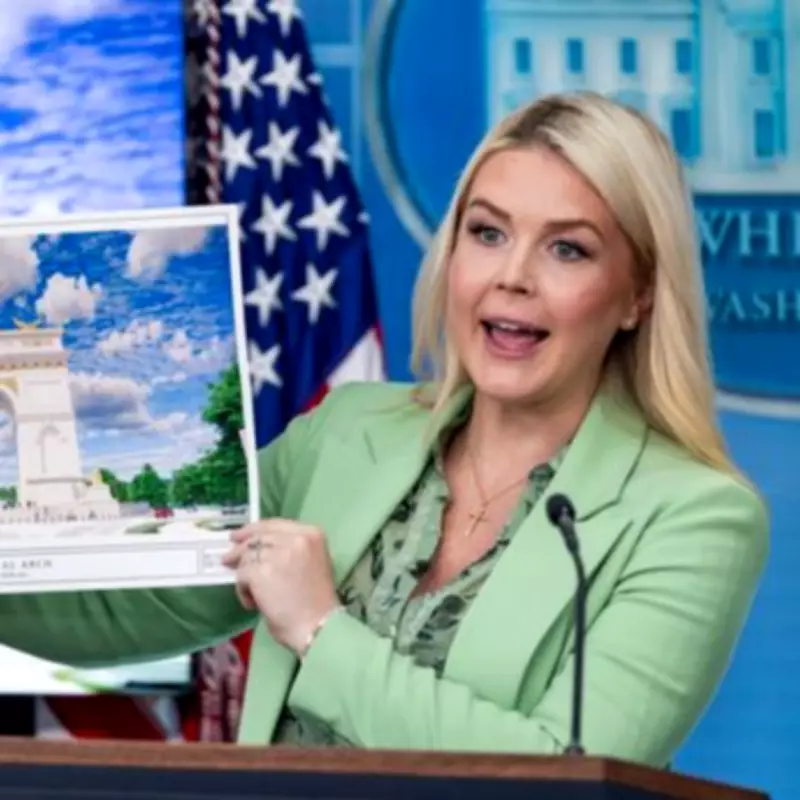
Official renderings released this week depict a sweeping white arch adorned with intricate gold leaf detailing, bearing the inscription "One Nation Under God" in prominent gold lettering across its summit. The monument is planned for Memorial Circle, a traffic roundabout situated close to Arlington National Cemetery, directly across the Potomac River from the Lincoln Memorial, which stands at a mere 99 feet tall.
White House press secretary Karoline Leavitt confirmed the ambitious project, stating, "President Trump and the Department of Interior will submit plans for the United States Triumphal Arc, which will be an architectural masterpiece to celebrate our history right here in Washington DC." She emphasised that the 250-foot height symbolically honours 250 years of American independence, adding, "Long after everyone in this room is gone, our children and grandchildren will remain inspired by this."

Origins and Escalation of the Proposal
The arch's conception can be traced back to Trump's visit to Paris during his first term, where he attended an Armistice Day commemoration beneath the iconic Arc de Triomphe. That experience left a lasting impression, with Trump later declaring in December, "The one that people know mostly is the Arc de Triomphe in Paris, France, and we're going to top it by, I think, a lot. The only thing they have is history." The Arc de Triomphe stands at approximately 164 feet, meaning Trump's proposed arch would surpass it by 86 feet, potentially making it the tallest triumphal arch in any capital city worldwide.
Initially, the idea was more modest, first floated by architecture critic Catesby Leigh, who argued that Washington was the only major Western capital lacking a monumental arch. In a piece for The American Mind, a publication of the right-leaning Claremont Institute, Leigh suggested a structure no taller than 60 feet. However, this advice was disregarded as the proposal expanded first to 76 feet—a nod to the founding year of 1776—before Trump aggressively pushed for the current grandiose design of 250 feet.
Growing Controversy and Opposition
The project has alienated many of its original supporters, including Leigh himself, who has expressed alarm at the deviation from his initial vision. Classical architects, veterans' groups, and early advocates of the scheme have raised significant objections, warning that a structure of such immense scale risks overshadowing the solemn dignity of nearby Arlington National Cemetery. Critics argue that the monument's sheer size could detract from the historical significance of the surrounding memorials and landscapes.
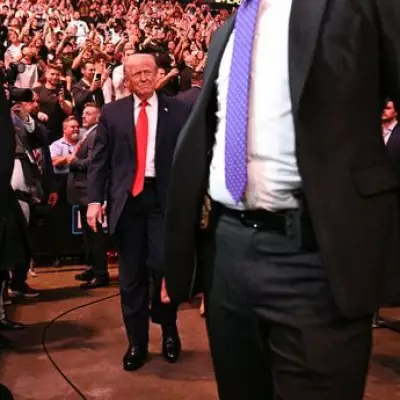
Leavitt attempted to frame the arch as a unifying project, asserting, "Great nations build beautiful structures that cultivate national pride and love of country, and this triumphal arc should be a project that all Americans of all political persuasions can support." Yet, when Trump was previously asked for whom the monument was intended, he pointed to himself and simply replied, "Me." This candid admission has fuelled accusations that the arch is less about national celebration and more about personal legacy-building.
Regulatory Hurdles and Future Prospects
Before any construction can commence, the project must undergo formal approval processes, which are likely to face intense scrutiny given the mounting opposition. The proposal's evolution from a modest architectural addition to a towering landmark has sparked broader conversations about the role of monuments in public spaces and the balance between commemorating history and indulging in vanity projects.

As debates rage over the arch's appropriateness and feasibility, its fate remains uncertain, hinging on regulatory decisions and public sentiment. Whether it will stand as a testament to American pride or a symbol of contentious self-tribute is a question that continues to divide opinion across the nation.