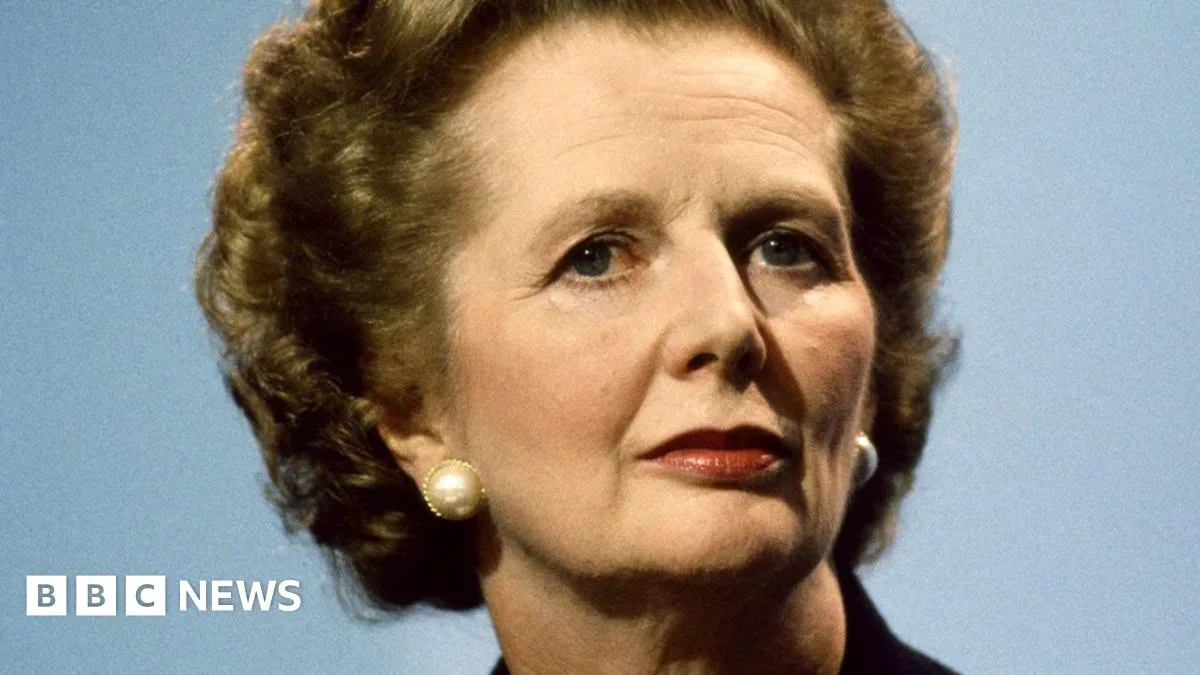
Newly released National Archives files show that former Prime Minister Margaret Thatcher was left 'shattered' by the threatened publication of the memoir Spycatcher, written by ex-MI5 officer Peter Wright. The files, which were due for release a decade ago but were deemed too sensitive, detail the government's panic over the book's explosive claims about UK espionage operations.
Thatcher scribbled on a briefing note that 'the consequences of publication would be enormous'. The memoir alleged that a former MI5 director general was a Soviet spy and that MI5 officers had plotted against Prime Minister Harold Wilson in the 1970s. The government dismissed these claims but feared that allowing an MI5 officer to publish a memoir under his own name would set a dangerous precedent.
Despite efforts to block publication in the UK, the government failed to stop the book's release in Australia after a high-profile court case. The publicity led to the first public acknowledgment of MI5's existence. Home Secretary Douglas Hurd wrote to Thatcher in 1988 that the service had become a 'constant target for public comment and scrutiny', affecting operations and co-operation from allies.

Hurd supported legislation to place MI5 on a statutory footing, which Thatcher agreed to if it could be limited. The Security Service Act was introduced in 1989, bringing MI5 under legal oversight. Historian Calder Walton noted that 'the Spycatcher scandal contributed more than anything to bring the spies out of the cold', leading to public accountability for UK intelligence agencies.