
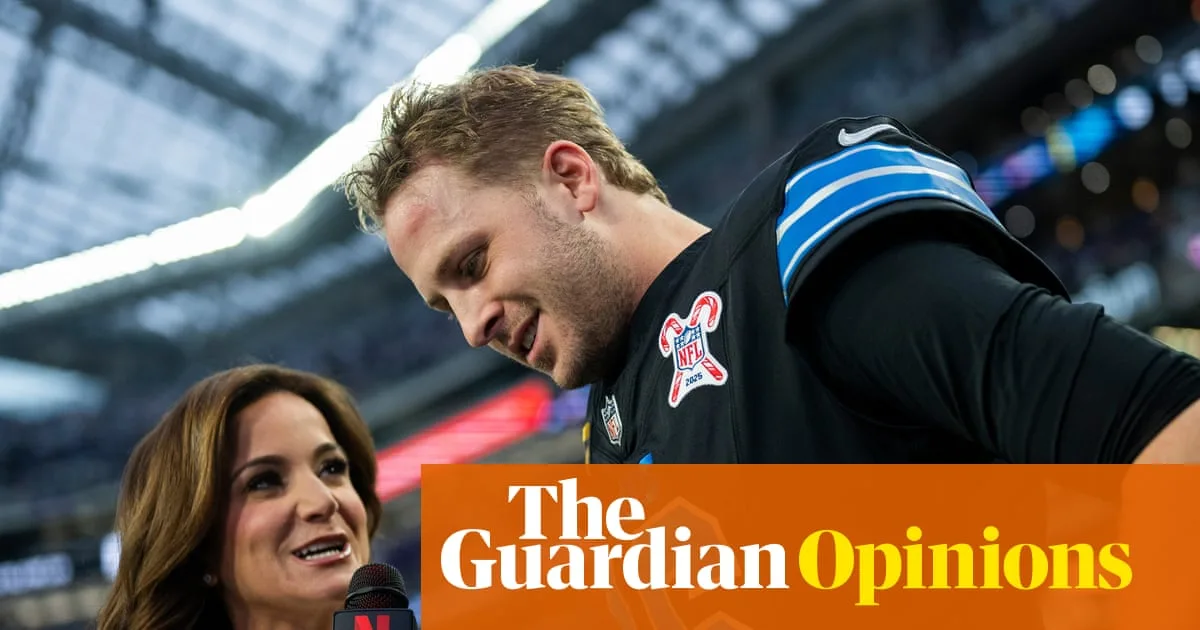
The recent controversy involving NFL reporter Dianna Russini and New England Patriots head coach Mike Vrabel has sparked debate about gender bias in sports journalism. Russini resigned from The Athletic after photos emerged of her holding hands with Vrabel at a resort, while Vrabel remains in his role with the Patriots. Both are married to other people and denied any impropriety, but the fallout has been uneven.
Critics argue that Russini, as an outgoing and attractive woman, faced disproportionate blame compared to Vrabel. The internet quickly pointed fingers at her, and People magazine ran stories about her marriage. Meanwhile, Vrabel's position appears secure, partly due to his success in turning the Patriots into Super Bowl contenders and support from owner Robert Kraft.
The incident raises questions about journalistic standards and gender dynamics. While an affair with a coach could be a fireable offense, the exact nature of Russini and Vrabel's relationship remains unclear. NFL reporting relies heavily on building relationships, often blurring lines between professional and personal interactions, especially for female reporters.
Comparisons have been drawn to a 2011 email from ESPN's Adam Schefter to then-Washington team president Bruce Allen, where Schefter sought approval for an unpublished article—a clear journalistic violation. Schefter kept his job and continued to thrive, highlighting a double standard. The Russini case underscores how women in sports media often face harsher consequences for similar or lesser transgressions.




