Thomas Skinner Doubles Down on £2,000 Question Time Fee Claim Amid BBC Dispute
Skinner Insists on £2,000 Question Time Fee as BBC Denies

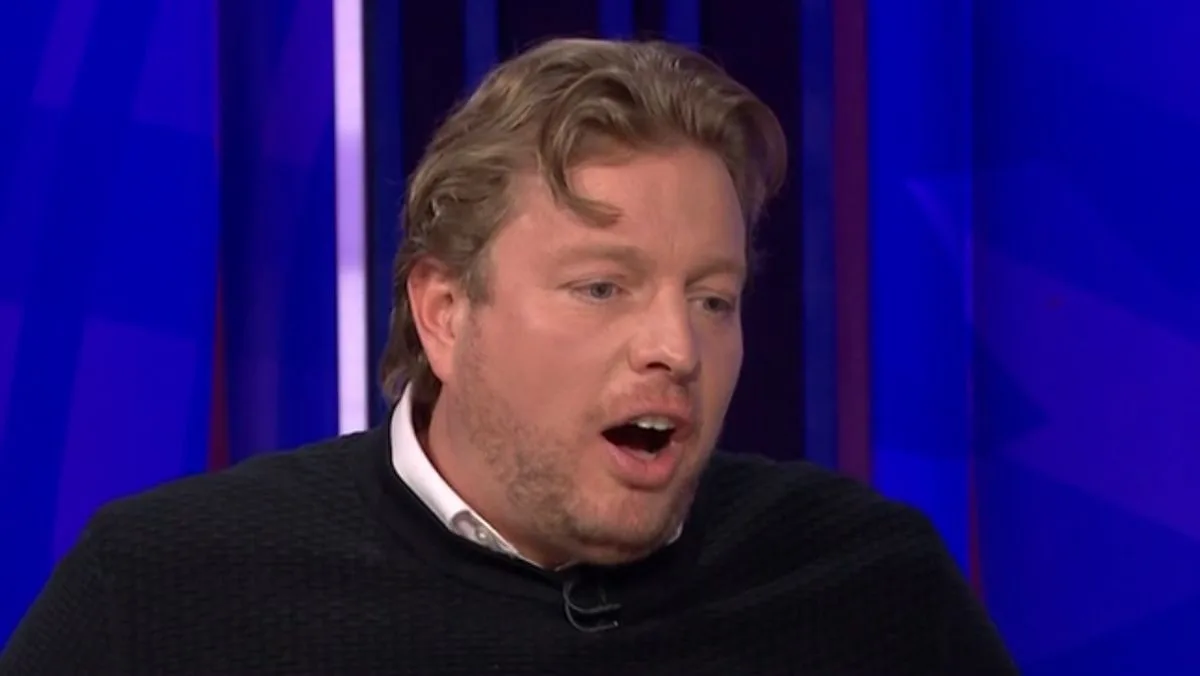
Thomas Skinner, the former Apprentice contestant and businessman, has firmly reiterated his claim that he received a payment of £2,000 for his recent appearance on the BBC's flagship debate programme, Question Time. This assertion directly conflicts with the BBC's reported stance that panellists are typically compensated with a standard fee of £150.

Fee Dispute Intensifies

The 35-year-old television personality, who last featured on the BBC in 2025 as a contestant on Strictly Come Dancing, participated in the Thursday edition of Question Time, which was broadcast from Clacton-on-Sea. Hosted by Fiona Bruce, the panel included justice minister Jake Richards, former security minister Tom Tugendhat, and Liberal Democrat MP Layla Moran.

In a new statement provided to The Sun, Skinner clarified the origins of his fee information. 'My understanding of the fee came directly from my management, who informed me that I would be paid £2,000 for attending,' he explained. He added, 'I’m a big fan of Question Time and really enjoyed being part of the show. At the same time, it is work for me, and with three kids, I have to treat these opportunities as part of my job.'

Wide Pickt banner — collaborative shopping lists app for Telegram, phone mockup with grocery list

Motivation and BBC Response

Skinner had previously admitted that his primary motivation for joining the programme was financial. On social media platform X, he wrote, 'I’m not there representing any party. I’m there because it pays £2,000 and I like watching Question Time. I’ve been asked probably 9 or 10 times to attend over the last 4 or 5 years. So I decided to give it a go. And I really enjoyed it.'

However, the BBC swiftly countered his claims. A spokesperson stated, 'Question Time offers a fee of £150 to panellists who aren’t politicians,' according to The Sun. The Daily Mail has contacted the BBC for further comment on the matter.

Social Media Addiction Debate

The fee controversy emerged following a heated exchange between Skinner and host Fiona Bruce during the programme, which focused on the ongoing debate about social media addiction. This discussion was prompted by recent news that Meta and Google were found liable for a woman's social media addiction and ordered to pay her $3 million (£2.2 million) in damages.

Confrontation on Platform Use

Skinner, who regularly shares content with his 536,000 TikTok followers, including videos of him eating breakfast at his favourite café, spoke out against the dangers of social media usage among young people. He admitted to earning money from platforms like Instagram and TikTok but insisted his content aims to spread positivity.

Bruce, however, challenged him directly. She said, 'You are benefiting from social media, you make part of your living that way and, part of the reason you are able to do so is because of the addictive algorithms that will push people towards your [content]. It is giving you a platform, and job opportunities come your way because of it. In the nicest possible way, you are part of the problem.'

She added, 'How can you on the one hand say "people shouldn't be doing it so much" but, on the other hand, you are benefiting from it?'

Skinner defended his position, stating, 'It's bad. It's bad when people sit on their phone all day. I've seen it myself. I've done it myself, I sometimes know I've got to be up in four hours and I've sat there and I've scrolled my brains through, watching absolute nonsense.' He described his videos as harmless, saying they often feature him at Deano's Cafe in New Spitalfields Market, greeting viewers and showing his breakfast.

Panel Defence and Broader Implications

Other panellists came to Skinner's defence. Layla Moran argued that his clips 'do not drive the worst of the algorithm' online, noting that more harmful content promotes hate and misinformation. She emphasised the need to hold tech companies accountable, stating, 'What we've got to do now is recognise that this is harming society... We've got to now get to a point where these companies are held to account.'

Pickt after-article banner — collaborative shopping lists app with family illustration

Landmark Social Media Case

The panel discussion referenced a landmark lawsuit in California, where Meta and Google were found liable for a 20-year-old woman's social media addiction. The plaintiff, referred to as Kaley, accused the tech giants of hooking her to their platforms from a young age, exacerbating her mental health struggles.

After over 40 hours of deliberation, jurors determined that both companies were negligent in designing their platforms and assigned Meta 70% responsibility for Kaley's harm, amounting to $2.1 million (£1.5 million), and YouTube 30%, or $900,000 (£675,000). The jury rejected all defence arguments, siding entirely with Kaley.

This case highlights growing concerns about the impact of social media on youth, as tech companies face increasing scrutiny over their practices and algorithms.