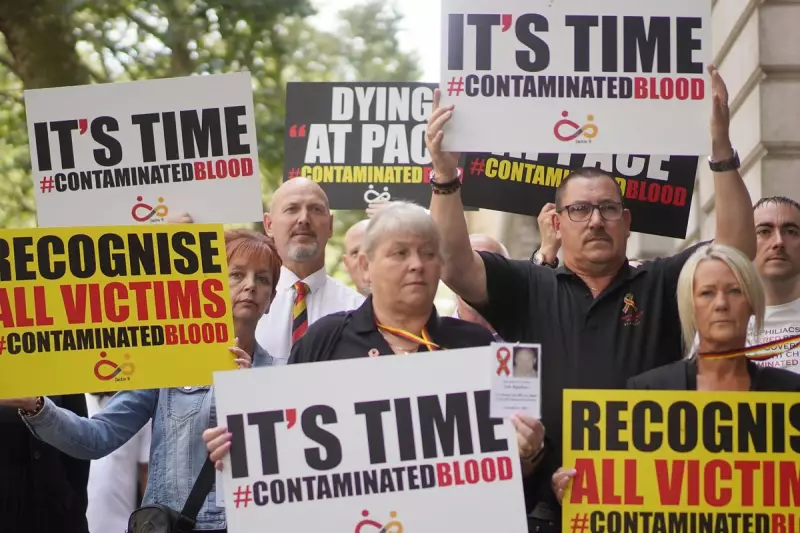
Charities and victims have expressed fury over what they label "ridiculous" and "wholly inadequate" compensation proposals for people subjected to unethical medical research as part of the UK's infected blood scandal.
Victims Treated as 'Objects for Research'
The controversy centres on additional payments for those, many of whom were children, who were deliberately given contaminated blood products in what has been termed unethical research. A focal point is the experience of boys with haemophilia at Lord Mayor’s Treloar’s College in Hampshire during the 1970s and 1980s.
The Infected Blood Public Inquiry’s May 2024 report found these children were treated as "objects for research" by NHS clinicians aware of the dangers, and given "multiple, riskier" treatments. Of the 122 haemophiliac boys who attended, more than 80 are now dead.

'Profound Concerns' Over Compensation Sums
While over £2 billion has already been disbursed in wider scandal compensation, The Hepatitis C Trust has written to Cabinet Office minister Nick Thomas-Symonds with "profound concerns" about the specific awards for unethical research victims.
The current proposal is for a one-off £25,000 payment on top of ongoing support for the most notorious cases, such as those at Treloar's, with £10,000 for others. The charity argues these sums fall "far short of delivering justice" and send a "dangerous message about the value of human life".
Gary Webster, infected with HIV and hepatitis C at Treloar's, told the Press Association the revised £25,000 offer was still "way off the mark". "How can you offer £25,000 pounds to someone who’s been experimented and researched on, and most of the time killed? It’s just ridiculous," he said.
Calls for Review and Criminal Investigation Timeline
Signatories of the letter, which includes infected blood community members, have demanded the award be "fully and transparently reviewed". They also raised alarm over delays to a potential criminal investigation.
Following the inquiry's findings, the National Police Chiefs’ Council (NPCC) began a review to consider a national criminal probe. In December, it stated this review was "ongoing" with no timeline, a delay the letter says "compounds the injustice and erodes public trust".
A Government spokesperson stated the suffering was profound and that uplifts through a "supplementary route" were intended to recognise it. The proposals are subject to a public consultation, which closes on 22 January 2026.