NDIS Cleaning Investigation Reveals Alleged $236 Overcharge for Brief Service
Two prominent anti-corruption campaigners have publicly accused a National Disability Insurance Scheme provider of significant overcharging, intensifying existing concerns about potential widespread misuse within the multi-billion-dollar government assistance program. Social media commentator Drew Pavlou and YouTube investigator Pete Zogoulas conducted an undercover operation targeting what they describe as systemic abuses of the NDIS framework.
Undercover Sting Operation Details
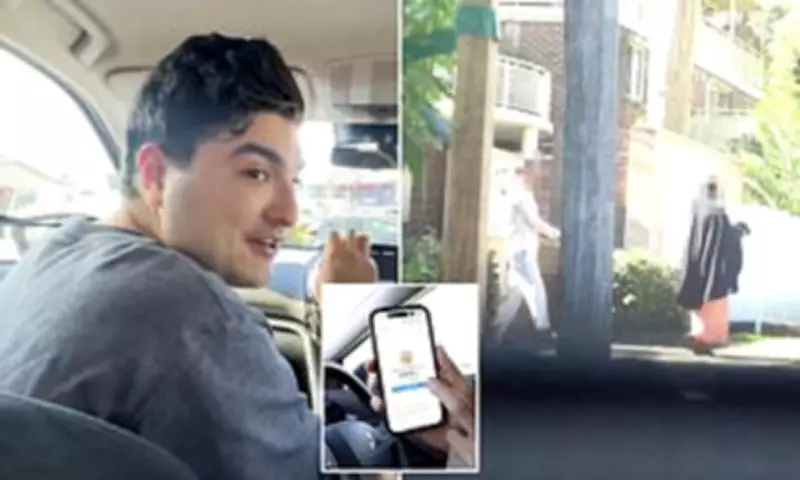
The investigators focused their attention on a Sydney-based cleaning company registered with the NDIS. Zogoulas deliberately booked an Airbnb property in a Sydney suburb, leaving the accommodation mostly tidy with only a few towels placed on the floor to simulate minimal cleaning requirements. Posing as the carer of an NDIS participant, he then hired the cleaning service through the scheme.
According to their detailed account, two cleaners arrived at the property without professional equipment. Zogoulas monitored the visit from his vehicle, timing the entire cleaning session at just 24 minutes. He alleges that the towels remained untouched, tissues from the apartment were utilized for cleaning purposes, and very little additional work was completed during the brief visit.
Invoice Discrepancy and Confrontation
The cleaning company subsequently issued an invoice for $236, claiming this represented a two-hour cleaning service. The business reportedly cited a government-mandated two-hour minimum for NDIS cleaning jobs as justification for the substantial charge despite the abbreviated service duration.
After confronting the company owner and presenting evidence of the actual cleaning time, the investigators say the minimum charge was withdrawn. The invoice was allegedly revised downward to just $24, representing a dramatic reduction of approximately 90 percent from the original billing amount.
Campaigners Express Shock and Concern
Pavlou expressed profound dismay at the experience, stating: "I'm just in disbelief that they wanted to charge almost $250 for barely 25 minutes of cleaning with no proper supplies. It's alarming to think how many billions might be wasted through the scheme if this is typical practice."
Zogoulas echoed these sentiments, describing the alleged practice as "beyond a joke." He elaborated: "These cleaners turn up with no equipment and expect some of the most vulnerable people in society to provide their own. Often they leave without cleaning at all - it's still a mess." He emphasized that the real victims are NDIS participants who may lack the confidence or capacity to challenge questionable charges.
Company Disputes Investigators' Account
The cleaning company owner strongly contests the campaigners' version of events. According to her statement, the caller repeatedly refused to provide an NDIS participant number during the booking process. She claims the request was made on Australia Day for an urgent cleaning service expected to take approximately 30 minutes.
The owner maintains she informed the caller about the company's policy requiring a two-hour minimum charge and asserts the caller agreed to these terms. Regarding the lack of professional equipment, she attributed this oversight to the short-notice nature of the booking, stating: "We apologised for not taking cleaning equipment, but he agreed to a two-hour minimum, so that's what we invoiced."
Broader Context of NDIS Fraud Concerns
These allegations emerge against a backdrop of persistent concerns about fraud and misuse within the NDIS. Official data from early 2025 reveals that only 0.22 percent of more than 7,000 fraud reports resulted in prosecutions, with authorities acknowledging that the legal system struggles to manage the volume of alleged abuses.
The federal government has announced intensified efforts to combat fraud within the disability scheme, though critics argue more substantial reforms and enforcement mechanisms are urgently required to protect both taxpayers and vulnerable participants.