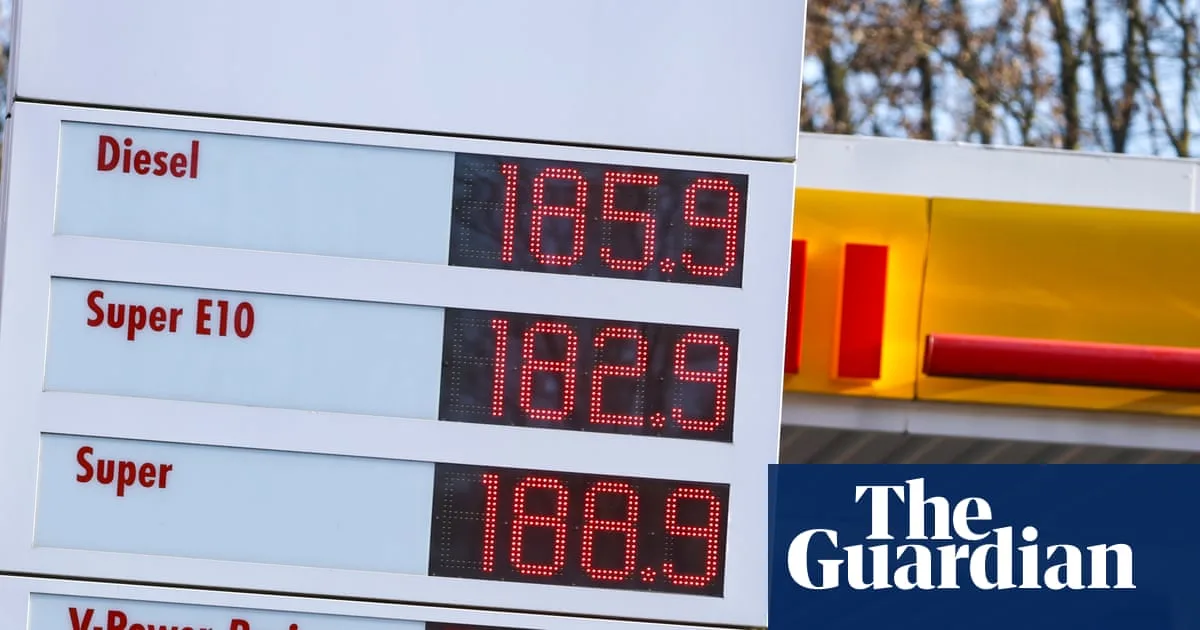
Oil prices continued to climb on Thursday, with Brent crude rising 3.3% to $84 a barrel, following reports that an Iranian missile struck a US-registered tanker in the Persian Gulf. The increase adds to volatility driven by the ongoing war in the Middle East, now in its sixth day.
Asian stock markets rebounded after heavy losses earlier in the week. South Korea’s KOSPI, which fell 12% on Tuesday, surged nearly 10%, while Japan’s Nikkei gained 1.9%. The MSCI Asia-Pacific index excluding Japan jumped 2.7%. However, Middle Eastern markets saw declines, with Abu Dhabi down 2.6% and Dubai falling 2.2%.
Gas prices also rose, with UK gas up almost 1% and European natural gas futures climbing 2%. Qatar, a major LNG producer, suspended operations on Monday and declared force majeure on exports on Wednesday, potentially disrupting supplies for at least a month.

In Europe, the FTSE 100 initially slipped 0.3% but later rose 0.5%. Wizz Air warned of a €50m hit to annual profits due to flight cancellations and higher jet fuel costs, causing its shares to fall 6%. Other airline stocks also declined.
China ordered its largest oil refiners to halt diesel and gasoline exports amid crude supply disruptions. South Korea expressed concerns that the conflict could disrupt supplies of semiconductor manufacturing materials, impacting its chip industry.
Analysts noted a shift in market sentiment, with some suggesting Iran’s military capacity is deteriorating. Positive US economic data and China’s AI roadmap also boosted Asian markets.