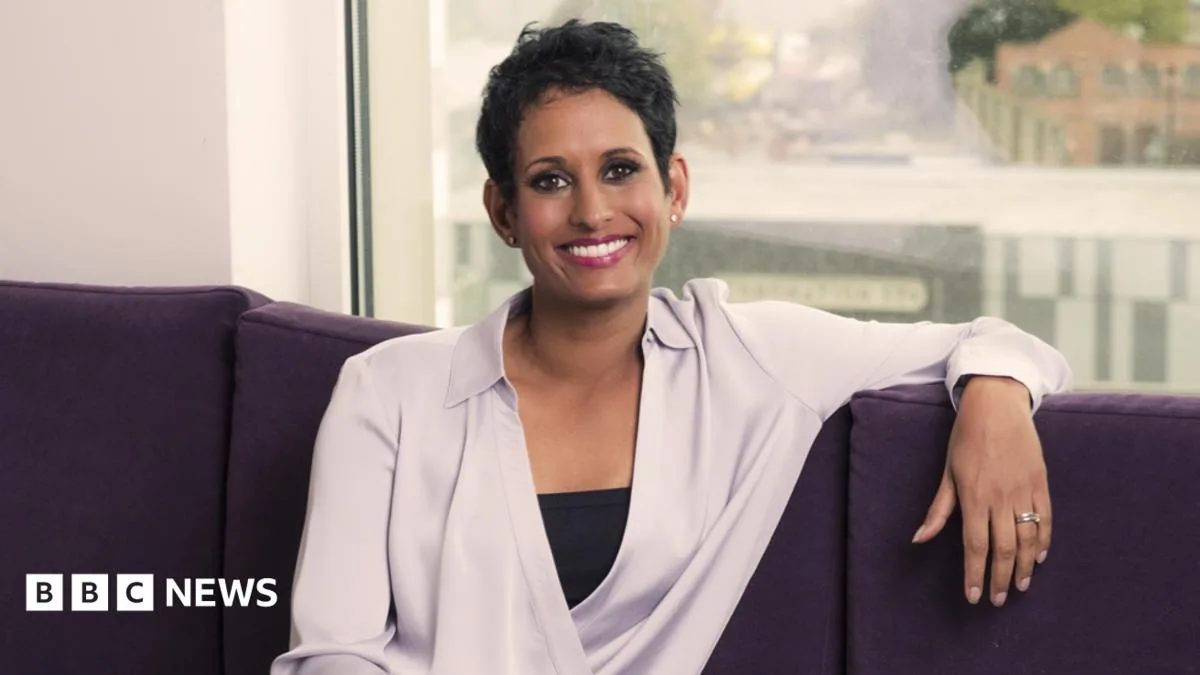
Media watchdog Ofcom has raised 'serious concerns' about the transparency of the BBC's complaints process following the handling of the Naga Munchetty case. The BBC Breakfast host faced a complaint over comments about US President Donald Trump, which was initially partially upheld by the BBC's Executive Complaints Unit (ECU) before being overturned by director-general Lord Hall.
Ofcom decided not to investigate Munchetty's exchange with co-host Dan Walker, concluding it did not breach broadcasting rules on impartiality. However, it criticised the BBC for failing to publish the full reasoning behind both the ECU's original decision and Lord Hall's subsequent reversal.
'The BBC ECU has not published the full reasoning for its partially upheld finding. Neither has the BBC published any further reasoning for the director-general's decision to overturn that finding,' Ofcom said. The regulator added that the case 'highlights the need for the BBC to provide more transparency on the reasons for its findings'.

Kevin Bakhurst, Ofcom's director for content and media policy, stated: 'We have serious concerns around the transparency of the BBC's complaints process, which must command the confidence of the public. We'll be requiring the BBC to be more transparent about its processes and compliance findings as a matter of urgency.'
A BBC spokesman responded: 'We note Ofcom's finding and the fact they agree with the director-general's decision.' The BBC's complaints framework typically publishes summaries of ECU findings rather than full reasoning. Ofcom also revealed a disagreement with the BBC over whether it had the right to investigate the programme, with the BBC questioning Ofcom's remit under the Charter and Agreement.