Restore UK leader Rupert Lowe has provoked widespread anger after referring to the 1996 Dunblane massacre as "one murder" during an appearance on the Joe Rogan podcast. The businessman and former Reform UK MP made the remarks while discussing UK gun laws with the American podcaster.
Lowe's Comments on Dunblane
Lowe told Rogan: "If you don't have a farm, you'll find it very difficult to get a gun of any kind. Even if you have a farm." He continued: "They don't want the public to have guns. As you probably know they banned handguns in the 90s, right in the late 90s, because there was a murder up in Dunblane." Rogan responded: "One murder?" Lowe confirmed: "One murder."
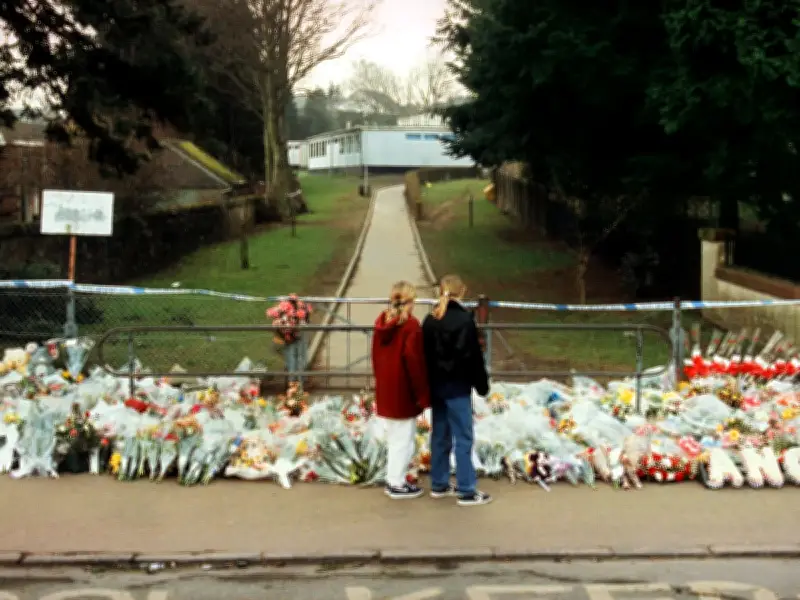
Lowe then added that his father, who used to shoot pistols for Oxford University, had all his pistols taken away following the ban. The Dunblane massacre, which occurred on March 13, 1996, saw gunman Thomas Hamilton kill 16 children and their teacher at Dunblane Primary School in Scotland, making it the deadliest mass shooting in UK history.

Political Context and Condemnation
Lowe, who was expelled from Reform UK after a bitter fallout with Nigel Farage, has positioned himself to the right of his former party on issues like immigration. His comments on Dunblane drew immediate condemnation from political figures.
Tory MSP Stephen Kerr, whose children attended a school near Dunblane and were in lockdown during the attack, slammed Lowe. Kerr said: "Rupert Lowe's comments are astonishingly insensitive and profoundly disrespectful to the victims of Dunblane, their families and everyone in Scotland who remembers that horrific day. To describe Dunblane as 'one murder' is not simply inaccurate – it diminishes one of the darkest days in Scotland's modern history. Sixteen children and their teacher were murdered, and fifteen other primary school children were wounded."
Impact and Reaction
The remarks have reignited debate over gun control in the UK, where handguns were banned in 1997 following the Dunblane tragedy. Lowe's downplaying of the massacre has been widely criticized as insensitive and inaccurate, with many pointing out the scale of the tragedy and its lasting impact on Scottish communities.