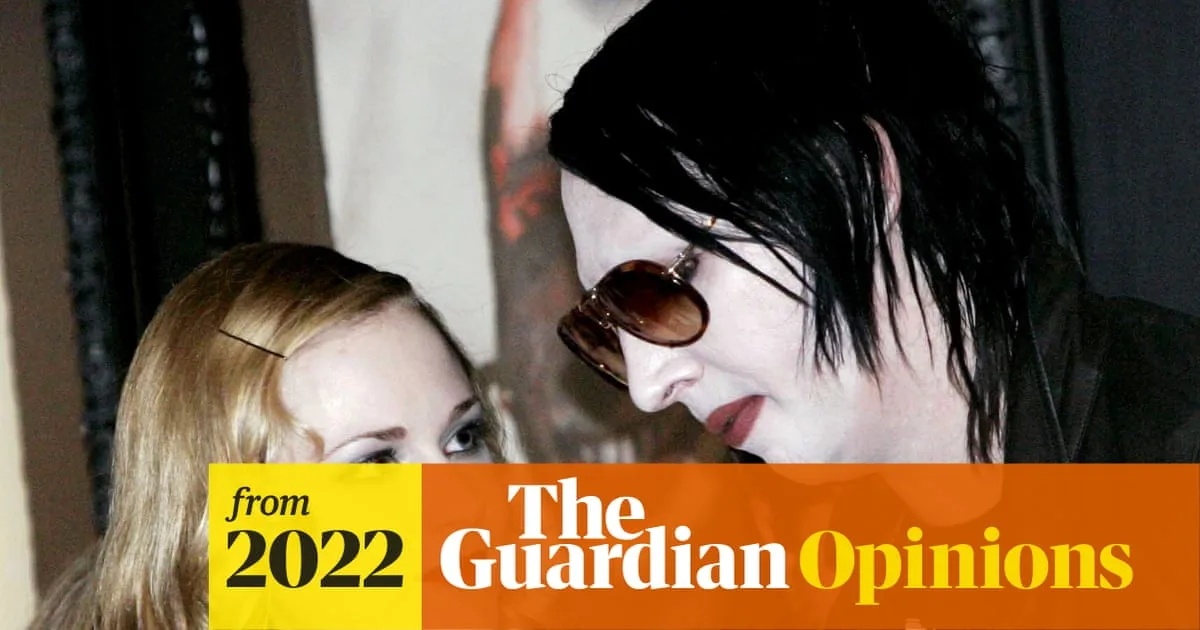
Evan Rachel Wood's two-part HBO documentary, 'Phoenix Rising', examines her allegations of domestic and sexual abuse against shock rocker Marilyn Manson. The film, directed by Oscar-nominated Amy Berg, follows Wood as she navigates the legal system and public scrutiny. Wood, now 34, met Manson when she was 18 and he was 37; the documentary includes old photos, journal entries, and press images that document the relationship's trajectory from youthful to atrophied.
The documentary features testimony from other women, including Game of Thrones actor Esme Bianco, who have also accused Manson of sexual abuse. To date, 16 women have come forward, and four have filed lawsuits. Manson, whose real name is Brian Warner, has denied all allegations and has not been charged with a crime. He has filed a defamation lawsuit against Wood and activist Ilma Gore, alleging they conspired to defame him and forged an FBI letter.
Wood's pursuit of legal action is a central narrative in the film, highlighting the reliance on documentation and evidence in abuse cases. Despite her considerable power as a Hollywood actor, the documentary shows how little has changed in the system's response to such allegations. Wood has spoken about feeling powerless in the case, noting that even with extensive evidence, the outcome often hinges on perceived trustworthiness.
'Phoenix Rising' joins a wave of #MeToo-era documentaries that uncover patterns of abuse by public figures, including 'Leaving Neverland', 'Catch and Kill: The Podcast Tapes', and 'Allen v Farrow'. These projects grapple with the legal and emotional consequences of coming forward against prominent individuals, and the messy timeline of healing from trauma.