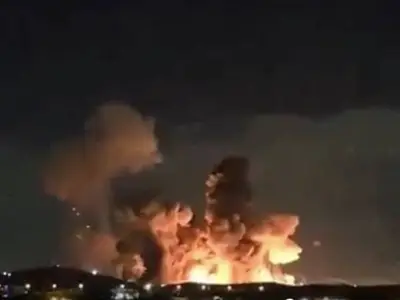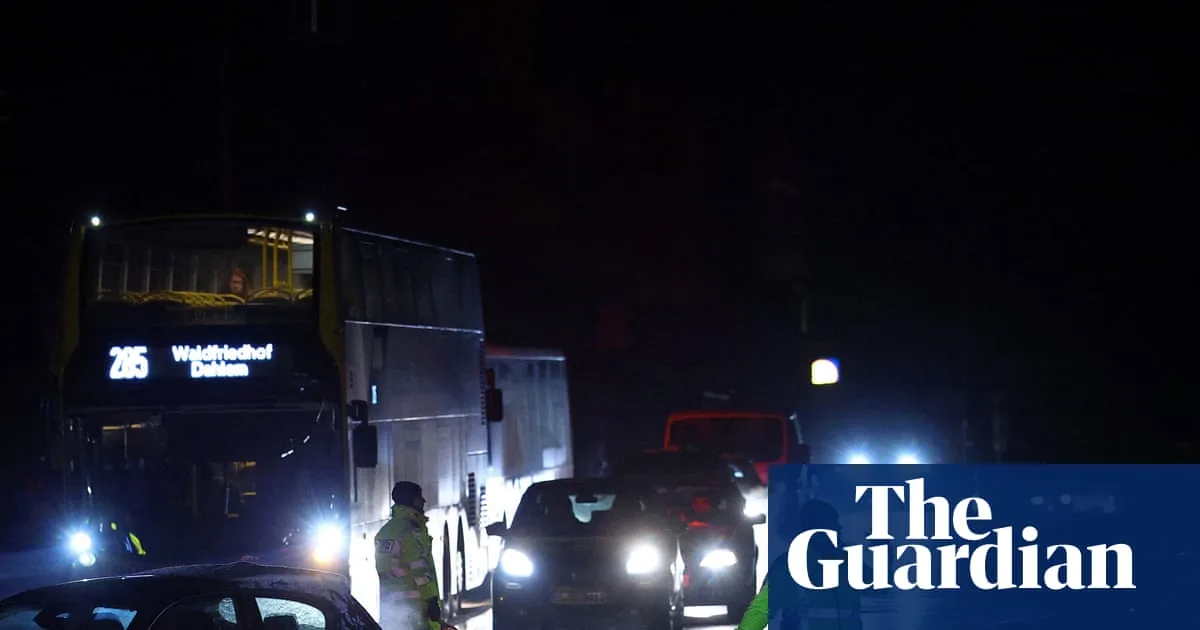
Berlin's mayor, Kai Wegner, has faced fierce criticism after attending a tennis match while parts of the city were plunged into darkness following a sabotage attack. The arson, claimed by leftwing anarchist group Vulkangruppe, cut power to 45,000 households, 2,000 businesses, four hospitals, 74 care homes, and 20 schools in south-west Berlin. The outage, Germany's longest since World War II, lasted from Saturday until Wednesday morning, leaving 20,000 households and 850 businesses without heating or hot water until the final reconnection.
Residents expressed fury at the lack of security. One anguished man confronted Wegner at a sports hall housing evacuees, asking: 'What is wrong with this city? How is it possible that the power grid is so insecure?' Anar, a cleaner in her 60s, told reporters she was stuck on a train and feared losing pay. The Red Cross and army were deployed to distribute supplies and diesel for emergency generators.
Berlin's energy senator, Franziska Giffey, admitted the attack was a 'serious blow to critical infrastructure', noting perpetrators used public maps to select the bridge carrying high-voltage cables. She said policymakers must prioritise security over transparency. Manuel Atug of AG Kritis warned that resilience costs money and companies only do what is legally required, while politicians favour visible projects like drone defence centres over protecting energy networks.

The far-right Alternative für Deutschland has exploited the crisis, handing out blankets and accusing the government of failing to keep citizens safe. Deputy federal spokesperson Kay Gottschalk said there had been 'no consistent political or security-related response' to sabotage. Federal prosecutors are investigating Vulkangruppe, but have little evidence beyond footprints in the snow.