Berlin Mayor Faces Resignation Calls Over Tennis During Sabotage Blackout
Berlin Mayor's Tennis Game During Blackout Sparks Fury

Berlin's mayor, Kai Wegner, is under intense pressure to resign after revelations he played a game of tennis just hours after a devastating arson attack plunged large parts of the German capital into darkness. The incident has sparked a major political scandal and raised serious questions about national preparedness for sabotage.

The Sabotage Attack and Its Impact

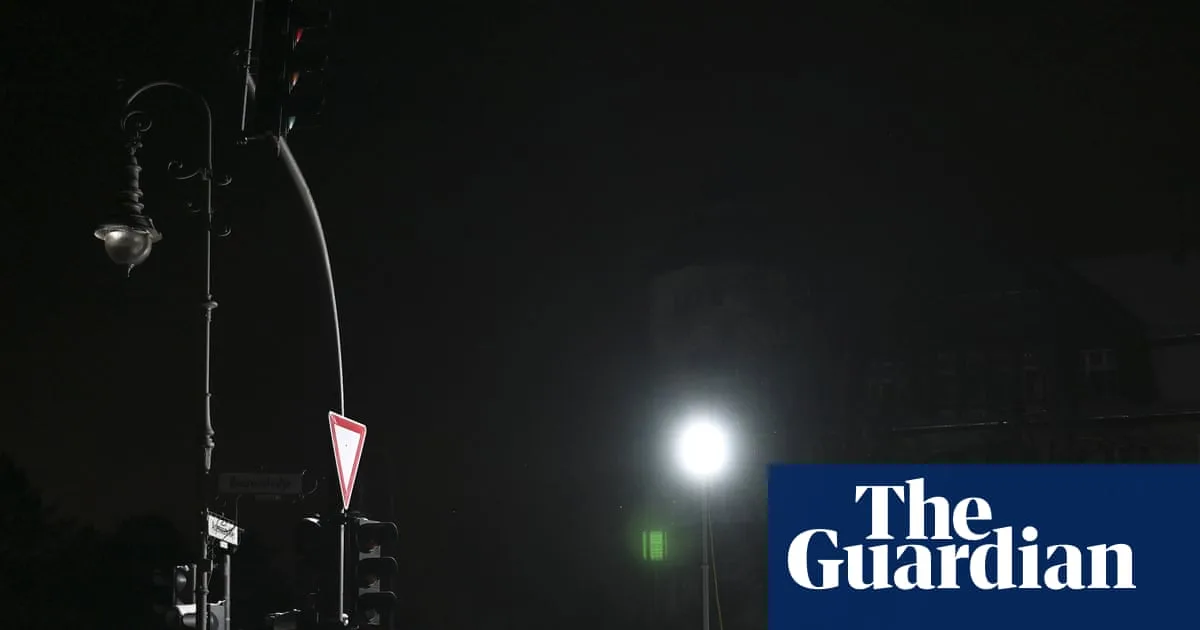
The crisis began on Saturday when leftwing militants claimed responsibility for a deliberate attack on critical infrastructure. The sabotage cut electricity to approximately 45,000 households and more than 2,000 businesses in south-west Berlin, creating the city's longest power cut since the Second World War. For days, districts relied on portable lamps in public squares as engineers worked to restore normality.

The attack has triggered a fraught debate about Germany's vulnerability and readiness to deal with acts of sabotage targeting its essential services. Security experts have warned that such incidents expose a worrying fragility in the nation's infrastructure.

'Tennis-Gate': The Mayor's Controversial Actions

The political firestorm ignited when German public broadcaster RBB reported that Mayor Wegner, a member of the conservative Christian Democratic Union (CDU), was on a tennis court with his partner, Berlin's education minister Katharina Günther-Wünsch, between 1pm and 2pm on the day of the attack.

This revelation directly contradicted Wegner's initial account. On Sunday, he had told reporters he was working "round the clock" to manage the crisis, claiming he had "literally locked myself in my office at home" and was "on the phone all day trying to coordinate."

Facing mounting criticism, Wegner offered a partial clarification late on Wednesday. He admitted his choice of words had been poor and stated, "Looking back, I should have said on Sunday what I did on Saturday." He explained he took a short break to "clear his head" through sport, which he finds effective.

Political Fallout and Calls for Resignation

The controversy, swiftly nicknamed "tennis-gate," has led to loud calls for Wegner's resignation, especially with a regional election looming in eight months. Opposition parties have seized on the incident as evidence of leadership failure.

Kristin Brinker, leader of the far-right Alternative für Deutschland (AfD) group in Berlin's parliament, accused the mayor of lying "to the people of Berlin’s faces." The AfD stated it was "bad enough" that Wegner did not cancel his match during what they termed a terrorist attack on city infrastructure.

Criticism also came from within his governing coalition. Steffen Krach, the Social Democrats' (SPD) mayoral candidate, deemed Wegner's actions "unacceptable" and "unworthy" of his office. The scandal has drawn comparisons to other political missteps, such as the resignation of Valencia's president Carlos Mazón after being photographed at a long lunch during deadly floods, and former CDU chancellor candidate Armin Laschet's ill-timed laughter during the 2021 flood disaster.

As the mayor met with CDU lawmakers to shore up support, the affair continued to generate memes online. Greens MP Ricarda Lang wryly noted on X that "at least Kai Wegner had a net on Saturday"—a pun on the German word "Netz," which means both a tennis net and a mobile network, which was down for thousands. Others humorously compared his tenure to the infamous "lettuce" meme that tracked Liz Truss's short premiership.

The episode has severely damaged Mayor Wegner's authority, casting a long shadow over his leadership during a genuine emergency and placing the security of Germany's urban infrastructure under a harsh and unforgiving spotlight.