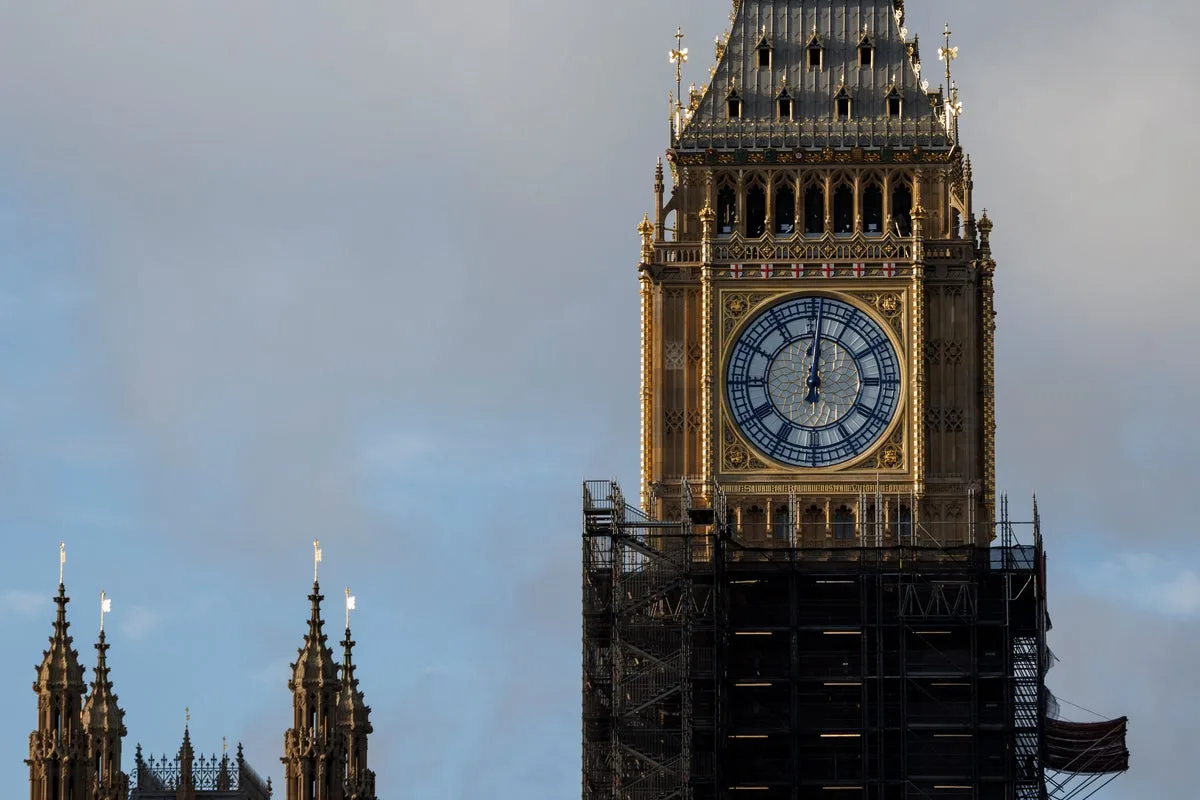
Westminster is engulfed in a fresh spending scandal after it was revealed that £62 million has been spent on installing new security barriers in the courtyard in front of Big Ben. The staggering sum, which covers two sets of gates, turnstiles, and some cobblestones, has prompted audible gasps in the Commons and demands for a full explanation.
A Golden Gate? The Staggering Price Tag
The eye-watering bill for the work in New Palace Yard was disclosed by Labour MP Nick Smith, who represents the all-party Commons Commission. The revelation immediately drew incredulous reactions, with one parliamentary passholder joking, "Have they been made of gold?" The controversy now threatens to eclipse even last year's debacle over the £9.6 million spent on a new House of Lords security door, which reportedly still does not function correctly.
In response to the uproar, the Commons finance committee, chaired by former Tory Cabinet minister Steve Barclay, has formally demanded "a more detailed breakdown of the costs." This demand for transparency comes from a Parliament that is supposed to be committed to scrutinising government waste, adding a layer of irony to the situation.
Practical Problems and Procurement Concerns
Despite the enormous price tag, the newly installed security turnstiles are already facing practical criticism. Female users have complained that the mechanisms are so heavy they are difficult to operate and are prone to catching people painfully on the heels. Furthermore, Speaker Sir Lindsay Hoyle is said to be unhappy with how the tendering process for the project was overseen, raising further questions about governance and value for money.
Westminster Whispers: Jenrick's Late Arrival and Farage's Gain
In a separate but equally colourful episode from the Westminster bubble, the defection of Robert Jenrick to Reform UK was nearly derailed by logistical hiccups. Staffers reportedly tried to smuggle Jenrick into the party's Millbank HQ via a service lift, but it had been commandeered by smokers needing a quick route downstairs, causing the former minister to be late for his own political crowning.
His move, however, is a significant boon for Reform leader Nigel Farage. Under a 1984 protocol, a British party leader needs at least six MPs to be invited to lay a wreath at the Cenotaph on Remembrance Sunday alongside the Royal Family. Jenrick's defection helps Farage meet that threshold. Jenrick has been labelled a "Quockerwodger" – a 19th-century slang term for an MP whose strings are pulled by others.
Starmer's Social Media Paradox and Streeting's Chill
Meanwhile, Labour leader Keir Starmer has hinted he may support a social media ban for under-16s, while still planning to give 16-year-olds the vote. This has led to questions about the logic of deeming a 15-year-old too vulnerable for Instagram but mature enough to decide the nation's future overnight.
Internal Labour tensions were also on display at a dinner for the Blairite pressure group Progress. Health Secretary Wes Streeting was seated next to Starmer's chief of staff, Morgan McSweeney, in what observers described as an "icy" atmosphere. The chill stems from Streeting confronting McSweeney over briefings alleging he was leading a coup against the PM. In a surprising twist, Streeting then insisted he would always defend the hard-Left Socialist Campaign Group's place in the party, sparking speculation about future leadership manoeuvres.
Finally, speculation is rife about who will replace Amol Rajan on BBC Radio 4's Today programme. Insiders suggest BBC political editor Chris Mason is the frontrunner, praised as knowledgeable and a great broadcaster, amid fears the corporation might make a "drab diversity-adjacent hire."