
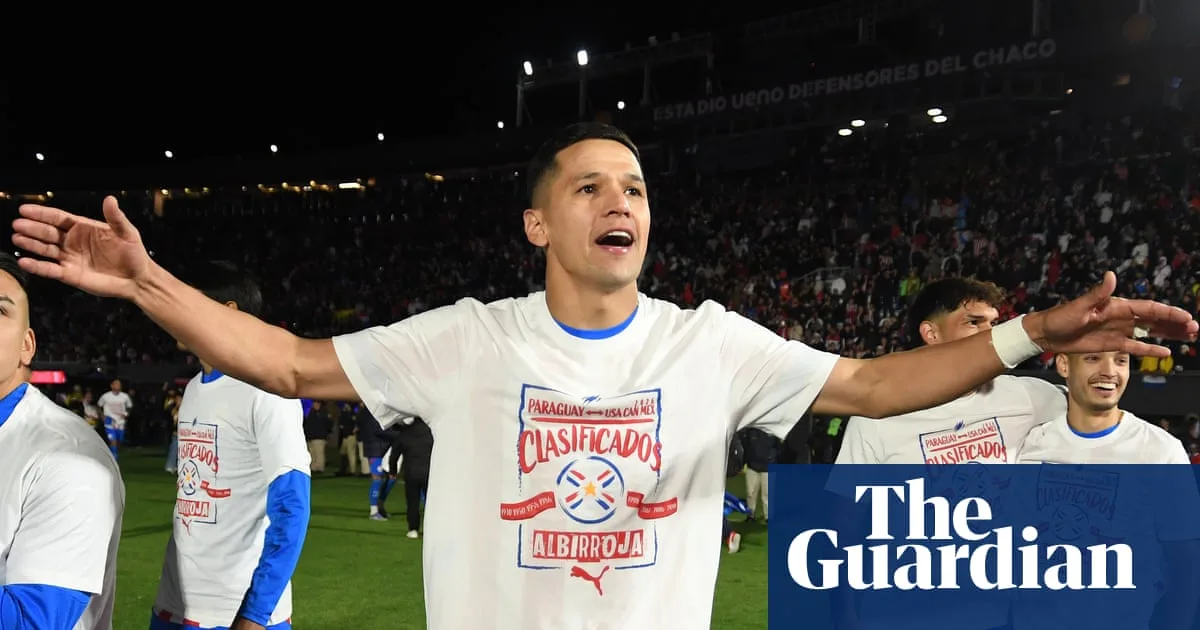
Paraguay secured their place at the 2026 World Cup by returning to their roots: defensive strength and collective intensity. After years of trying to play possession-based football without success, Gustavo Alfaro took over in August 2024 with a clear message: 'Paraguayan DNA, intensity and clean sheets. That’s what will take us to the World Cup.' He was proved right.
Alfaro, an Argentinian, stuck to a 4-4-2 formation in almost every match, only switching to a back five in high-altitude games against Ecuador and Bolivia. Since replacing Daniel Garnero, who was sacked after a poor Copa América, Alfaro transformed the team. Early away victories against Uruguay and home wins against Brazil and Argentina convinced even the biggest sceptics that the 'new' Albirroja was real.
During qualifying, Paraguay lost only once away under Alfaro, against Brazil. They earned heroic draws in Bolivia at 4,100 metres, in Ecuador at 2,800 metres, and in the heat of Barranquilla against Colombia. Qualification was sealed with a tense 0-0 draw at home against Ecuador, sparking euphoria and a national holiday declared by President Santiago Peña.
While Paraguay's greatest strength lies in intensity and physicality, they can also play good football, building smoothly from the back and relying on the game-changing talent of Julio Enciso. Enciso, known as 'La Joya' (The Jewel), has been one of Paraguay's best players in 20 years. After a promising start at Brighton, including a Puskás Award-worthy goal against Manchester City, he moved to Strasbourg and is now a key player for the national team.
Another key player is Damián Bobadilla, son of former goalkeeper Aldo Bobadilla. Damián has become an excellent midfielder, emerging at boyhood club Cerro Porteño in 2021. His father remains his hero: 'My dad didn’t have a cape, but he flew from post to post,' he once said.




