Nigel Farage's 2026 Peak? Reform UK's Poll Slide and Leadership Challenges
Farage's Reform UK faces peak as polls slide in 2026

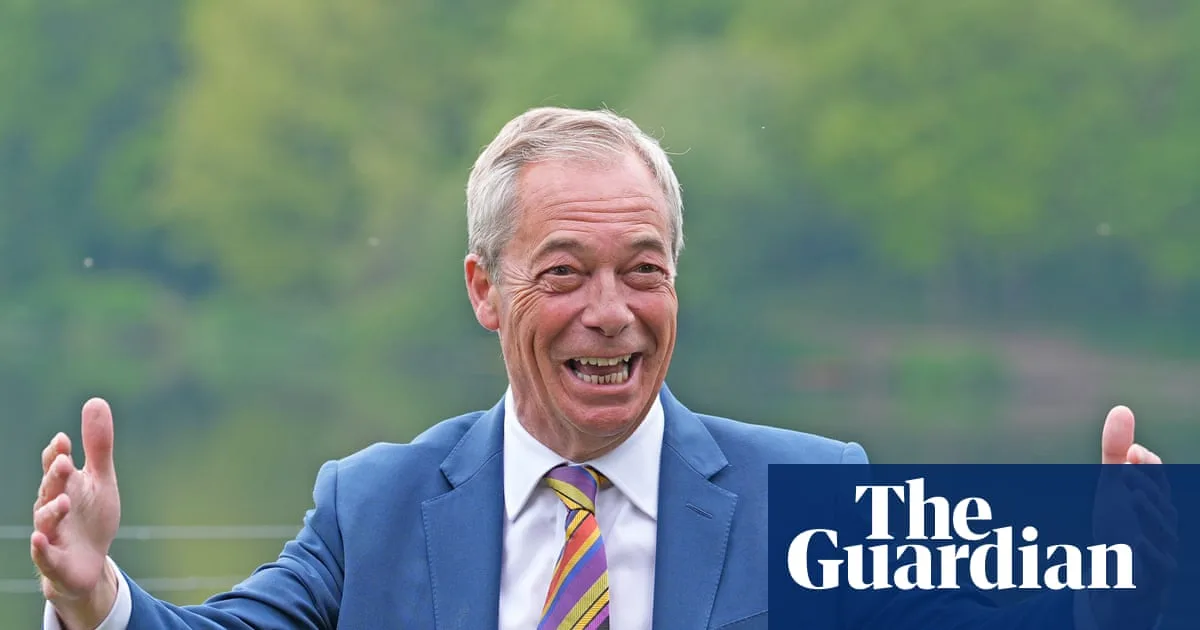
As the new year unfolds, a pressing question hangs over British politics: could 2026 mark the peak of Nigel Farage's political influence? The charismatic leader of Reform UK faces a critical make-or-break year, with recent polling suggesting his party's surge may have stalled.

The Polling Picture: A Surge Stalls

Reform UK's trajectory has been dramatic. The party surged into a steady lead last spring, holding its position through the summer. Polling firms recorded impressive numbers, with YouGov showing a high of 29% and More in Common reporting 33% at its peak. This performance saw Farage feted in Washington as Britain's answer to Donald Trump and a potential future prime minister.

However, the latest data tells a different story. YouGov's December polling indicates a drop in Reform's vote share to 26%, its lowest since April 2025. Analysts attribute some of this decline to a resurgence for Conservative leader Kemi Badenoch and a combined Liberal Democrat and Green vote pushing towards 30%. The political landscape remains volatile, with the upcoming May local elections likely to provide more confusion than clarity.

The One-Man Band Problem

Despite his undeniable platform charisma—being affable, humorous, and concise—Farage presides over what critics describe as a classic one-man show. The party lacks the deep bench of seasoned professionals typically required for electoral success and governance. This structural weakness is highlighted by a revolving door in senior positions; Reform has had three chairs in under two years, and its latest leader in Wales is currently in prison.

The party's composition raises questions about its readiness to govern. Its nearest figure to a shadow chancellor is property tycoon Nick Candy. Its parliamentary ranks are filled with a "stage army" of dissident former Tory MPs, including Andrea Jenkyns, Ann Widdecombe, and Danny Kruger, none renowned for party loyalty. Even Reform's chief whip, Lee Anderson, has previously stood for election for both Labour and the Conservatives.

Policy and Positioning Risks

Farage runs significant risks by anchoring his party's identity almost solely to the issue of immigration. While single-issue parties can prosper in favourable years, the political salience of any topic can shift dramatically over a full parliamentary term. Furthermore, Reform's adoption of what has been termed an "Elon Musk chainsaw approach" to public spending remains an unproven vote-winner.

In a bid to broaden his appeal, Farage is now frantically identifying other issues, such as the countryside and net-zero energy subsidies, hoping to lure disaffected Tory voters. His attempts to position himself on the international stage have been fraught. A pilgrimage to Mar-a-Lago to gain endorsement from Donald Trump and Elon Musk backfired when he later faced Musk's contempt for refusing to back the controversial figure Tommy Robinson.

While Farage wisely distanced himself from Trump's more extreme associates like the Heritage Foundation, his associations with figures like Steve Bannon and JD Vance are risky. This is particularly true given that Trump remains deeply unpopular with the British electorate, with one poll showing just 22% in favour and 72% against the former US president.

The Westminster Reality

The British political tradition, as observed by Alexis de Tocqueville, defaults to the "club" rather than the "mob." Voters historically elect parties and their programmes, not populist stars in a presidential style. The Conservative Party's century of success was built on presenting a disciplined group of reasonably competent ministers bound by collective loyalty—a tradition that has eroded in recent years but remains a powerful electoral model.

The most reliable prediction for the next election is that it will produce a hung parliament and a multiparty shambles. In the murky offices and corridors of Westminster, where coalition-building and detailed policy work trump platform rhetoric, Farage's particular set of skills may not translate to success. While he has proven a master at feasting on the misfortunes of his opponents, the transition from protest movement to credible party of government appears fraught with obstacles that even his considerable charisma may not overcome.