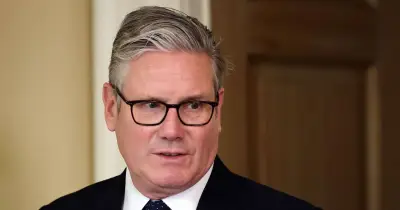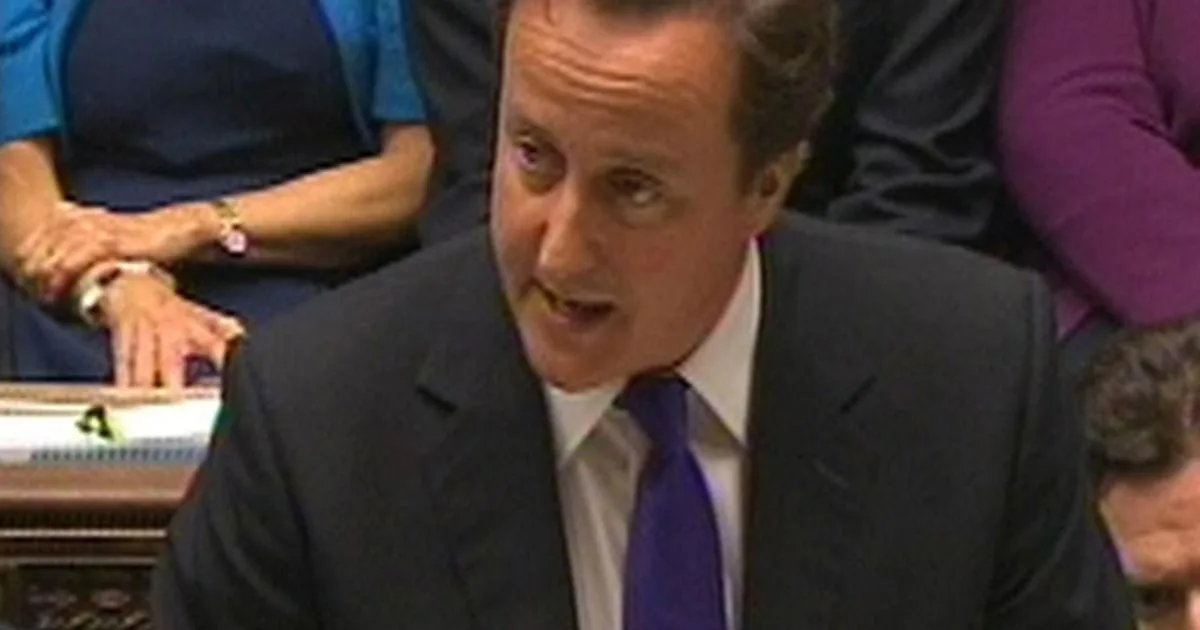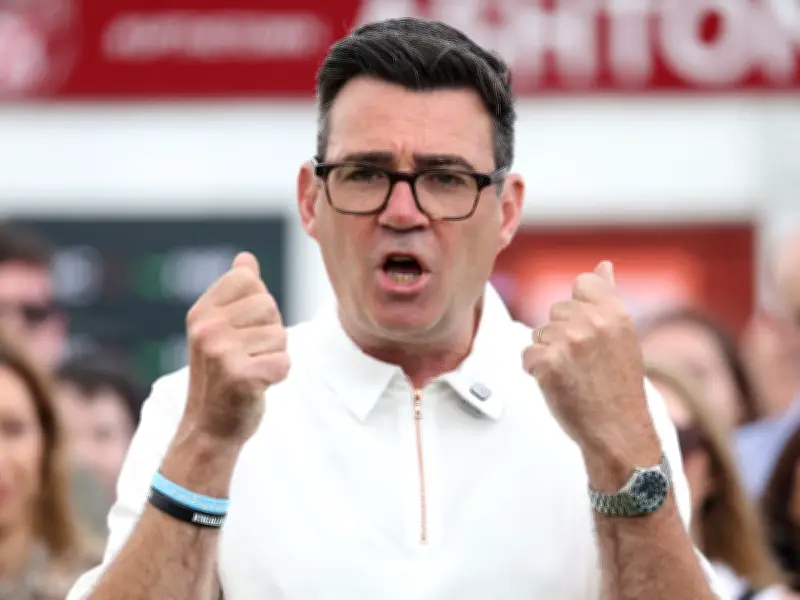
Andy Burnham's stunning by-election victory in Makerfield, where he secured 55% of the vote—outpolling all dozen rivals combined—has cemented his status as a serious contender for the Labour leadership and ultimately No 10. His universal appeal, described by a White House veteran who worked for Obama and Biden as a great asset, contrasts with the perceived weaknesses of Keir Starmer, whose inability to articulate his beliefs has eroded support within the party.
Burnham's Secret Weapon: Being All Things to All Voters
The old joke about a Blairite, Brownite, and Corbynite walking into a pub, with the landlord greeting "Hello, Andy," was once seen as a sign of lacking fixed convictions. However, an American strategist recently praised this quality, noting that Burnham's ability to appeal to diverse factions is a brilliant asset. Tactical voters, including Liberal Democrats, Greens, and even some Conservatives repelled by Nigel Farage's Reform Party, were happy to back Burnham, viewing him as a unifying figure.
Starmer's Exit and Burnham's Path Forward
As Keir Starmer's support drains away and he weighs his future, Burnham faces the challenge of refining and conveying what his "Manchesterism" means for the country. A prominent Burnham ally has suggested that he should immediately rule out a snap general election to avoid destabilising uncertainty, instead setting the next election for Thursday, July 5, 2029. This would end speculation and give around three years to transform the country and Labour's prospects. However, Burnham must avoid the mistakes of Gordon Brown, who was battered by considering and then bottling an early election, or Theresa May, who called one and lost the Tory majority.

Brexit and Pro-European Sentiment
Brexit, described as unprecedented national self-harm, continues to loom large. A recent US study projected the cost at 6% of national income over 10 years, or nearly £200 billion—enough to rejuvenate health, education, policing, defence, and welfare without tax hikes. Makerfield, a Leave-voting area in 2016, elected a Remainer in Burnham, proving that pro-Europeans no longer need fear a backlash. Burnham has boldly declared, "We can all be British, European... and proud!" as the 10th anniversary of the referendum approaches.
Royal Privilege and Tax Avoidance
Prince William's decision to send his son George to the privileged £63,000 Eton College rather than a state school has drawn criticism as an example of elite privilege. The royal family, which benefits from police motorcyclists to speed through traffic—a service denied to the public—has been accused of being out of touch. Meanwhile, King Charles has faced scrutiny over inheritance tax avoidance on the £500 million bequeathed by his mother, with questions about whether he will pay the £200 million due.
Disparity in Response to Hate Crimes
Legal restrictions on commenting to guarantee fair trials have limited discussion, but the contrast in reactions to two recent attacks cannot go unobserved. After the stabbing of five men in a suspected anti-Muslim rampage in Edinburgh, the public, political, and media response was muted compared with the assault in Belfast, where a migrant faces charges. Green Party leader Zack Polanski, who is Jewish, noted that too often "attacks against Muslims get ignored" or are downplayed. British Muslims could learn from British Jews on how to call out hate, as the decent majority will be relieved that extremist thugs did not set Edinburgh ablaze like Belfast.