Prime Minister Keir Starmer is facing a fierce backlash from within his own party and accusations of weak leadership after executing his 13th significant policy U-turn since taking power just 18 months ago.
Mandatory Digital ID Scheme Abandoned
The government has dramatically abandoned its flagship plan to make digital ID cards mandatory for right-to-work checks. The policy, heavily promoted by Sir Keir as a key tool to tackle illegal immigration, has been rendered entirely voluntary following a collapse in public support.
Announcing the plan at last year's Labour Party conference, the Prime Minister had stated emphatically that people 'will not be able to work in the United Kingdom' without a digital ID. However, support for the scheme plummeted from 53% in June to just 31% by October, prompting the retreat.

A government spokesman insisted the commitment to mandatory digital right-to-work checks remained, but clarified that the form of ID used could be flexible. The specific government-issued digital ID programme will now be optional when introduced in 2029, with workers permitted to use other digital documents to verify their identity.
A Brutal PMQs and Labour Revolt
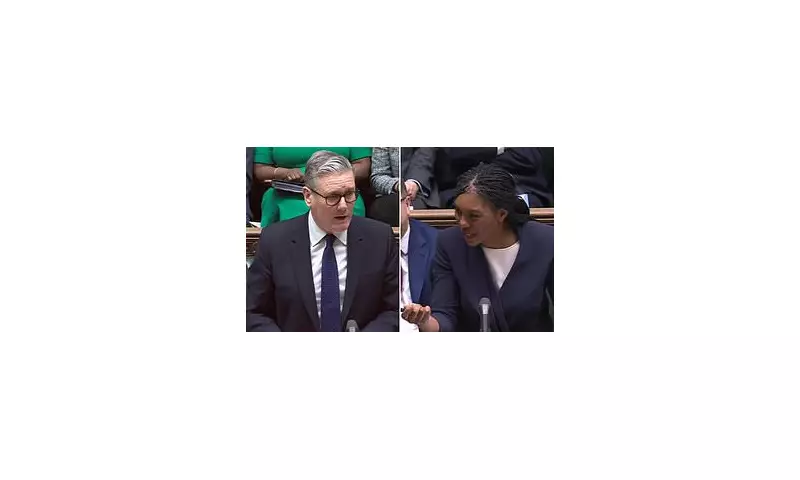
The policy reversal set the stage for a brutal Prime Minister's Questions session, where Tory leader Kemi Badenoch accused Sir Keir of 'waffling' and listed his 13 major climbdowns. The Prime Minister could only lamely insist he was focused on 'changing the country'.
More damagingly, Labour backbenchers openly ridiculed the U-turn. MP Karl Turner, leading a revolt on jury trial curbs, warned the digital ID retreat made a reversal on his issue 'inevitable'. He bluntly told colleagues: 'Labour MPs must think very carefully before defending policy decisions publicly. This stuff leaves us looking really stupid.'
Former Home Secretary Lord Blunkett swiped that ministers had failed to 'enunciate why this policy mattered', while MPs Emma Lewell-Buck and Andy McDonald openly celebrated or criticised the climbdown.
Leadership Under Scrutiny
The latest reversal fuels significant doubts about Sir Keir Starmer's political direction and grip on power, despite commanding one of the largest Commons majorities in history. It is the government's second U-turn of 2026, coming just 14 days into January.
Reports suggest the Prime Minister has been leaning on Attorney General Lord Hermer, a fellow human rights lawyer, to help make the case for his leadership internally. Opposition parties were scathing in their assessment.
Conservative Party chairman Kevin Hollinrake stated: 'Labour's only consistent policy is retreat and it's the public that are paying the price.' The Liberal Democrats joked that Downing Street must be 'bulk ordering motion sickness tablets' to cope with the frequent changes of direction.
With the digital ID scheme now voluntary and the detail postponed until after a public consultation, the episode leaves Sir Keir battling to demonstrate consistency and strength ahead of what promises to be a turbulent political year.