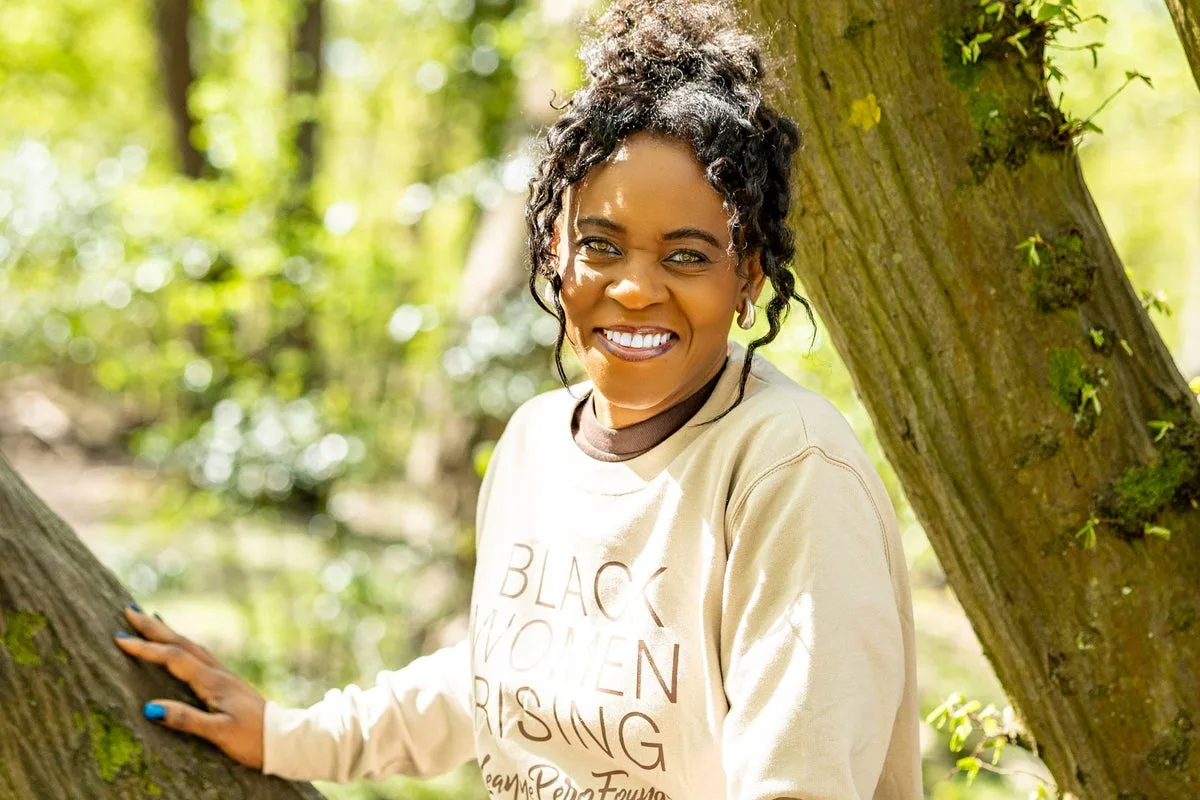
TV presenter Gillian Joseph, known for her work on Sky News, has spoken emotionally about her older sister Charmaine's diagnosis with myeloma, an incurable blood cancer that disproportionately affects Black people. Joseph admitted she had never heard of the condition before her sister's diagnosis two years ago, and she is now on a mission to raise awareness.
Myeloma: A Hidden Health Crisis
Myeloma is a cancer of the bone marrow that is two to three times more common in Black individuals than in white individuals, according to Myeloma UK. Despite being the most common blood cancer in the Black population, it remains poorly understood. Joseph explained, 'A lot of people just don't seem to know about it and get it mixed up with melanoma. I want to make people aware of it, because the earlier they can get it checked out, the quicker they can receive intervention and treatment.'
Personal Mission: Trekking the West Highland Way
To raise funds and awareness, Joseph is trekking Scotland's iconic West Highland Way from 5 to 12 May 2026. Her goal is to raise at least £5,000 for Black Women Rising, a charity supporting women of colour with cancer. She has already raised over £3,000. Beyond fundraising, Joseph hopes the challenge will inspire her sister Charmaine, a mother of 11, to continue seeking treatment. Charmaine had decided to stop chemotherapy after finding it debilitating. Joseph said, 'I'm hoping we've sparked it up a little bit again. I'm hoping that's what the walk will do.'
Health Inequalities in Myeloma Care
Myeloma is treatable in most cases, with over half of patients surviving five years or more, but it inevitably returns. The condition has a greater impact on Black and ethnic minority patients. A Myeloma UK report found that 55 per cent of Black and minority ethnic patients reported a high impact on quality of life, compared to 37 per cent of white patients. Additionally, Black patients wait 15 to 20 per cent longer for a diagnosis. Pippa Foster, Director of Lived Experience and Clinical Practice at Myeloma UK, highlighted systemic barriers: 'People talked about their symptoms being misattributed to other things, benign or lifestyle causes. They talked about service pressures having brief appointments, and about a lack of awareness and knowledge about myeloma.'
Underrepresentation in Clinical Trials
Foster also noted a 'historical underrepresentation' of people of colour in clinical trials, skewing results. Gillian Joseph echoed this, saying, 'Across the board there are more health inequalities for Black women and they're more heightened with myeloma. Women of colour continue to experience some of the worst outcomes of treatable cancers, including breast, lung and ovarian.'
Rising Cases Among Younger Black Women
Leanne Pero, founder of Black Women Rising, observed an increase in younger women under 40 being diagnosed with myeloma. 'Outside of breast cancer, it is the cancer that's been gaining more members in the last 12 months, which has prompted us to create a support group specifically for people with blood cancers,' she said. The language around myeloma, being incurable but treatable, creates confusion and worry. Many people do not recognise the signs and symptoms.
Recognising Symptoms
Myeloma symptoms are often mistaken for general ageing or minor conditions. Red-flag symptoms include persistent or unexplained back pain, fatigue, easily broken bones, frequent urination or minimal to no urination, and unexplained weight loss. For Charmaine, symptoms appeared as joint pain, but diagnosis came only after kidney issues. Joseph urges people to 'check out the niggling back pain sooner rather than later, and to not just put it down to overexertion or old age.'
Joseph remains hopeful that her trek will spread awareness and encourage early checks. 'It's inspired by my sister. I want to help others, and I also want her to know that she's not alone.'