

Skiing Governing Body Dismisses Penis Enlargement Rumours at Winter Olympics
The international governing body for skiing has firmly dismissed what it describes as wild rumours regarding ski jumpers allegedly using penis-enlarging injections to gain a competitive aerodynamic advantage at the Winter Olympics.
Strange Saga Emerges from German Report
One of the most bizarre stories to emerge from the Winter Games began when German publication Bild reported discussions within the ski jumping community about athletes potentially injecting hyaluronic acid into their penises. The alleged purpose was to increase measurements, thereby allowing competitors to wear larger, more aerodynamic suits during events.
While no evidence has been presented and no specific allegations have been made against any ski jumpers, the topic gained significant traction when it was raised at a World Anti-Doping Agency press conference on Thursday. Wada officials confirmed they would investigate the claims.

FIS Issues Strong Denial
The International Ski Federation has now responded to the controversy, stating there has never been any indication, let alone evidence that such practices are being employed in the sport. The governing body characterised the entire discussion as baseless speculation.
Slovenian Olympic silver medallist Cene Prevc acknowledged the rumours had circulated within the ski jumping world approximately a month prior to the Games, though he emphasised he knew of no athletes actually engaging in such practices.
The Science Behind Aerodynamic Advantage
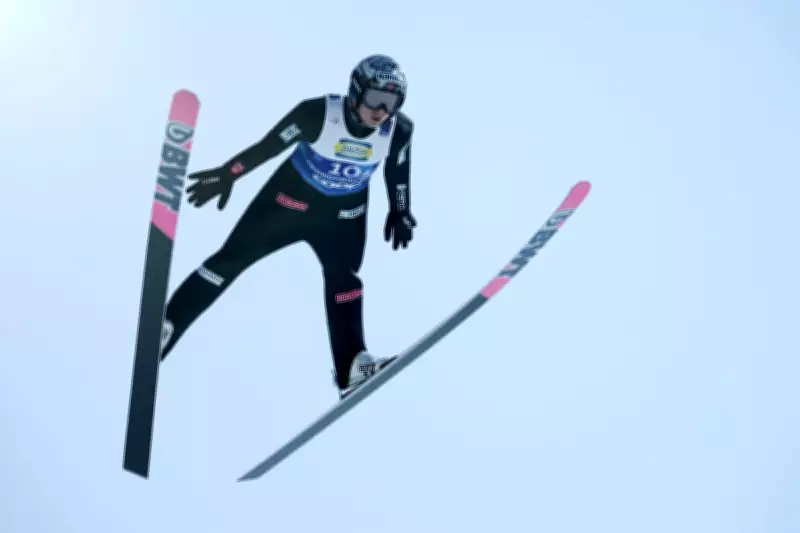
The controversy stems from the precise regulations governing ski jumping suits. Elite competitors undergo full body scans to ensure their skin-tight suits contain no extra material that could provide additional lift during flight. The crotch area of these suits is permitted to extend to the bottom of an athlete's genitals, meaning any enlargement could theoretically create more performance-enhancing fabric surface area.
A scientific study published in the journal Frontiers demonstrated that even minor alterations to suit fit can have measurable consequences. Computer modelling indicated that each additional centimetre of fabric could potentially add 2.8 metres to jump length.
Marco Belloli, director of the mechanics department at Milan's Politecnico University, explained the aerodynamic principles: The more surface area they have, the more surface they expose while in the air, the farther they go. Essentially, it's as if they were a glider - the greater the wing surface, the farther they can travel.
Historical Context of Suit Manipulation
The current controversy has attracted particular attention because suit manipulation has previously resulted in sanctions within the sport. Last year, two Norwegian Olympic medallists - Marius Lindvik and Johann Andre Forfang - received three-month suspensions after their team was found to have secretly adjusted seams around the crotch area of their suits during the 2025 World Ski Championships.
This historical precedent has contributed to heightened scrutiny around any potential methods athletes might employ to gain aerodynamic advantages through suit modifications, however unconventional those methods might appear.






