

Secret Tech and Espionage: The Hidden Battle for Winter Olympics Gold
In the high-stakes world of winter sports, where victory can be determined by mere fractions of a second, technological innovation and strategic espionage have become essential tools for success. As the 2026 Winter Games approach in Milan-Cortina, British teams are leveraging every possible advantage to secure podium positions.
The Cold War of Winter Sports
Dr Kate Baker, UK Sport's director of performance, has revealed that competition between nations has evolved into something resembling a Cold War. "Espionage between nations is very real," Baker explained. "It's big business for some people, and we know how powerful sporting success is for a nation."
While Baker stopped short of confirming teams are hiding in bushes to spy on rivals, she acknowledged the intense scrutiny British teams face. "Everyone wants to know what we're doing," she said, highlighting Britain's reputation for punching above its weight in winter sports.

Technological Arms Race
The concept of 'marginal gains' – popularized in cycling – has become equally crucial in winter sports. From aerodynamic kits to state-of-the-art sleds, technological innovation rules the day. Britain now operates its own secret wind tunnel facility in Manchester, mirroring the successful approach taken by British Cycling.
"I wouldn't go so far as to say that it's an arms race," Baker clarified. "It is definitely an expertise race though, and our ability to spot things and opportunities and get on quickly is a super strength of Great Britain."
Integration and Innovation
One significant change since the disappointing Beijing 2022 Games, where Britain failed to win a skeleton medal for the first time, has been the integration of skeleton and bobsleigh programs under performance director Natalia Dunman. This unified approach, combined with UK Sport's agile funding model, has created new opportunities.
Baker described their philosophy: "We have a safe to fail approach: have a go, if it doesn't work, rapidly iterate. And that's been a real step on for us, particularly in the winter sports space this cycle."
Controversial Equipment and Legal Battles
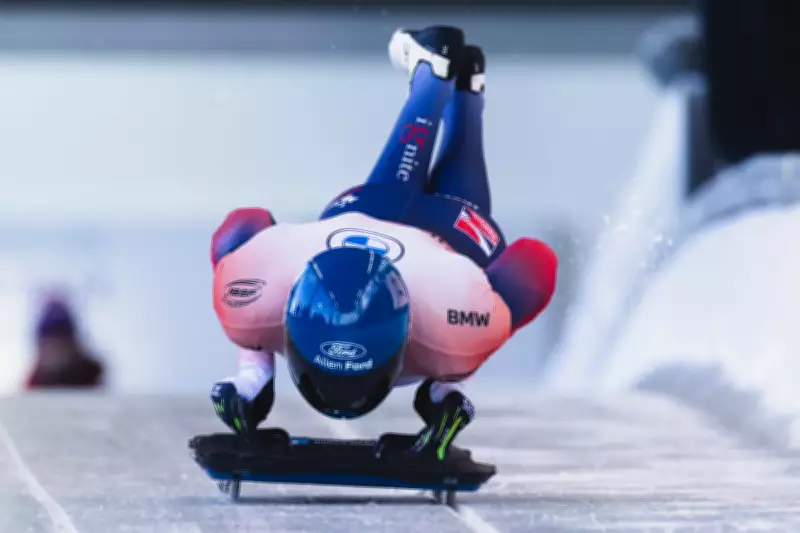
The pursuit of technological advantage sometimes skirts the line of legality. The British Bobsleigh and Skeleton Association recently appealed to the Court of Arbitration for Sport over a banned helmet they intended to use in Cortina. The International Bobsleigh and Skeleton Federation ruled the helmet non-compliant, creating a nervy wait for British teams.
Baker acknowledged the risks of introducing new equipment at the last minute: "Historically you could turn up at the Games and pull out a totally brand-new kit setup, send the athletes out on it, and they suddenly find seconds. You just can't do that anymore."
Espionage in Plain Sight
While Baker denied knowledge of teams hiding in bushes around Britain's Bath push-track, she confirmed that espionage happens more openly during competitions. "When those athletes are competing on the World Cup circuit, if you look at that starting area, all of the sleds have to be lined up against each other. Everybody can see everything," she explained.
British teams have experienced this scrutiny firsthand. During the 2018 Pyeongchang Games, other nations objected to GB's aerodynamic skinsuits, though they were ultimately approved. "There's stuff you can't see with the naked eye," Baker noted, "and so everyone will be making guesses about what's going on."
Confidence in Current Contenders
Despite the challenges, Baker expressed confidence in Britain's current crop of Winter Olympians. Skeleton's reigning world and World Cup champion Matt Weston and teammate Marcus Wyatt are among serious medal contenders. The team has also identified the new mixed team event as an area where early investment could pay dividends.
"We spotted it," Baker said of the mixed event. "We got on it early, we invested, and we've built some systems that are enabling them to capitalise on that."
As the Games approach, British teams continue their secret preparations, aware that their success in Cortina might inspire even more sophisticated espionage tactics from rivals in future competitions.






