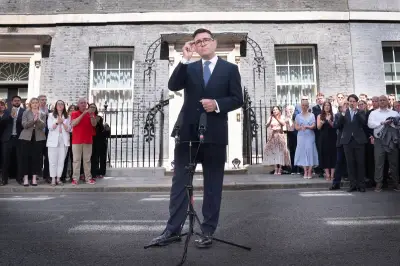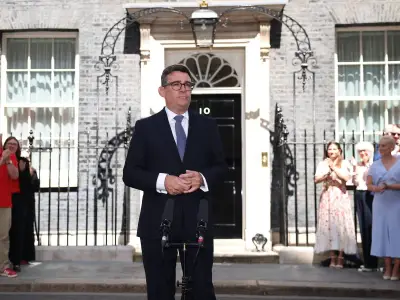
Northern leaders have urged the government to support a multi-city Olympic and Paralympic bid for 2040, arguing that a London bid 'wouldn't be right'. In a letter to Culture Secretary Lisa Nandy, 11 political leaders across the north proposed a games spanning a region of 15 million people, describing it as a 'once-in-a-generation opportunity to accelerate regeneration, rebalance the economy, and reset international perceptions of England'.
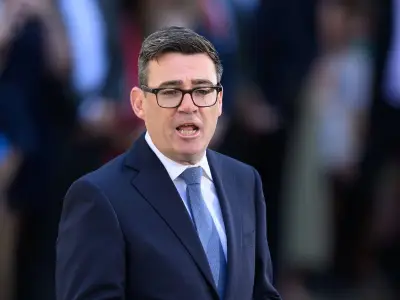
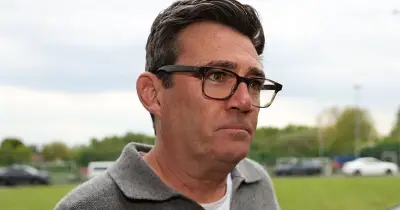
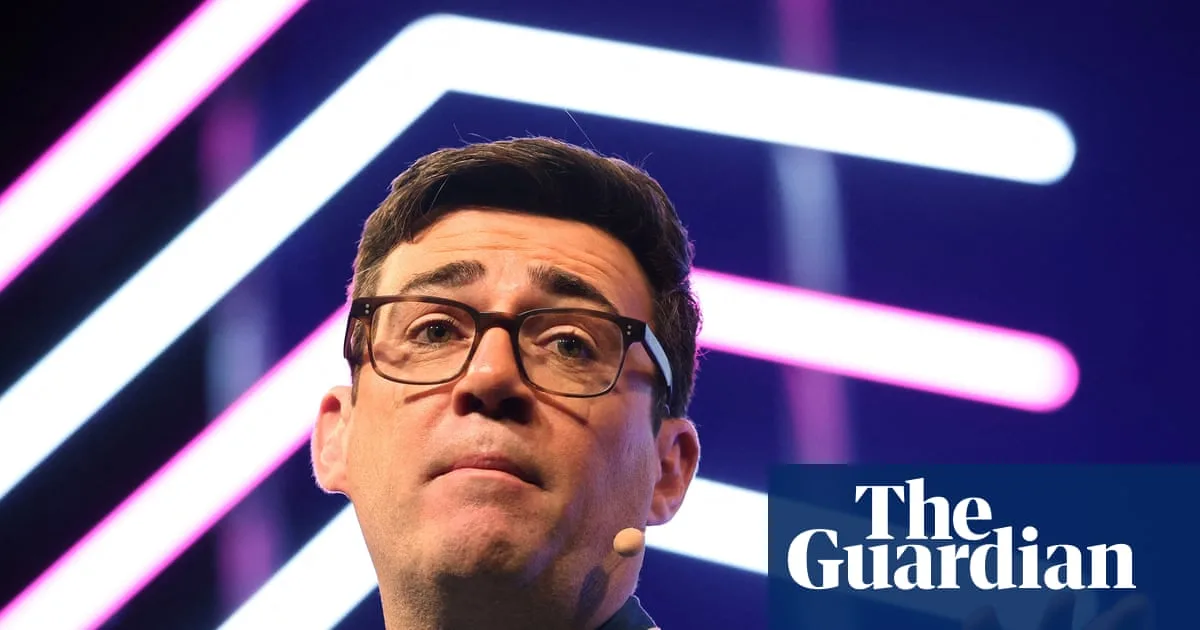
Greater Manchester Mayor Andy Burnham said on Sunday that it 'wouldn't be fair or right' for London to host a fourth time, and that a northern bid was 'what Britain needs right now'. The move comes after London Mayor Sadiq Khan expressed interest in a 2040 bid for the capital, which would be nearly 30 years after the 2012 Games.
Sir Brendan Foster, former world record holder and founder of the Great North Run, said a northern games was vital for a 'fairer distribution of major international sporting events across the country'. He noted that while iconic events like Wimbledon and the London Marathon are rightly celebrated in the capital, government-financed global events should follow a balanced national approach.

Mayors believe they are in strong contention after the International Olympic Committee prioritised multi-city events. They also hope Prime Minister Keir Starmer will see the political benefit, as Labour trails Reform UK by an average of 10 points in northern heartlands. The Department for Culture, Media and Sport declined to comment, saying it was a decision for the British Olympic Association.
Luke Campbell, the former Olympic boxing champion and Reform UK mayor of Hull and East Yorkshire, backed the bid, saying: 'Bringing the Olympics to the north isn't just about sport. It's about giving our kids something to aim for, creating real opportunities and showing the world what this part of the country has to offer.'
Mayors highlighted the north's sporting heritage, including Sheffield as the home of football, and its elite venues. Liverpool City Region Mayor Steve Rotheram said a northern games would be a 'once-in-a-lifetime chance to bring the Olympics closer to ordinary communities that have too often felt like they've been left out of the national story'. However, leaders would aim to avoid the costly legacy of London 2012, which cost nearly £8.8 billion and was described as a 'cautionary tale' in a 2024 study.