North Korea Returns to Women's World Cup After 15-Year Doping Scandal Absence
North Korea Qualifies for Women's World Cup After Doping Ban

North Korea's Dramatic World Cup Return After Doping Controversy

North Korea has achieved a remarkable sporting comeback, qualifying for the Women's World Cup for the first time since a major doping scandal in 2011 forced their prolonged absence from elite international football tournaments. The qualification was secured alongside the Philippines, who also booked their spot for next year's prestigious tournament in Brazil, marking significant milestones for both nations in women's football development.

Historic Victory Seals Qualification

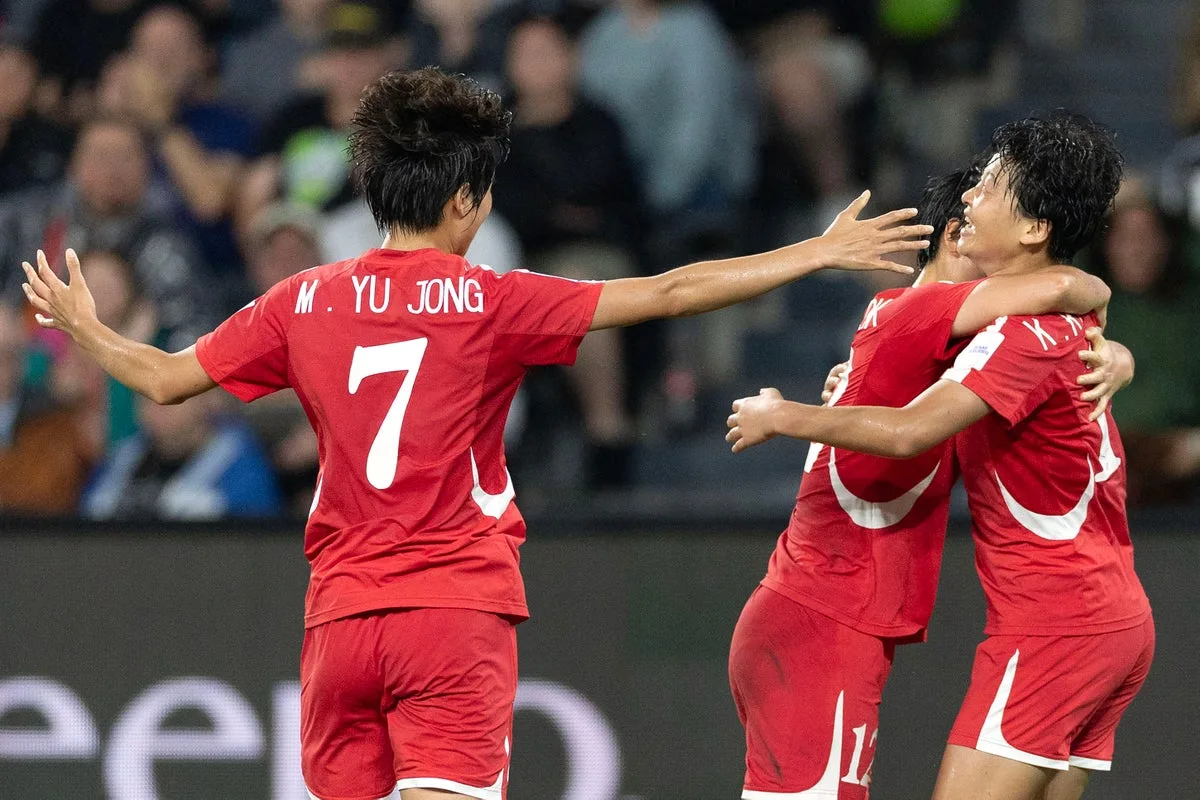
Hong Song Ok emerged as the definitive hero for North Korea, delivering an outstanding performance with a hat-trick during their decisive 4-0 victory over Taiwan in Thursday's Women's Asian Cup play-offs. This triumph represents far more than just a football match victory—it symbolizes a national redemption story fifteen years in the making. The qualification marks North Korea's return to the global stage after their previous World Cup appearance was completely overshadowed by controversy and subsequent sanctions.

The Shadow of 2011 Doping Scandal

The 2011 Women's World Cup became infamous for North Korea when five of their players tested positive for performance-enhancing steroids during the tournament. Officials controversially attempted to explain the results by claiming traditional medicines derived from deer glands were responsible. After initial detections, FIFA conducted comprehensive testing on the entire squad, confirming three additional positive results. The consequences were severe and long-lasting, with North Korea receiving substantial bans that prevented their participation in major tournaments for years.

Wide Pickt banner — collaborative shopping lists app for Telegram, phone mockup with grocery list

The subsequent punishment resulted in North Korea missing multiple crucial competitions:

  • Exclusion from the 2014 Asian Cup tournament
  • Failure to qualify for the 2018 Women's World Cup
  • Absence from the 2022 tournament due to COVID-19 travel restrictions

Rebuilding Through Youth Development

Head coach Ri Song Ho has masterminded North Korea's resurgence through strategic youth development and squad rebuilding. His current team includes several players he previously guided to victory in the Under-20 Women's World Cup in 2024, demonstrating a clear pathway from youth success to senior international competition. Despite narrowly losing to host nation Australia in the Asian Cup quarter-finals after finishing second in their group behind 2022 champions China, the team's overall performance signaled their return to competitive relevance.

Philippines Secure Consecutive Qualification

Meanwhile, the Philippines achieved their own historic milestone by securing a second consecutive Women's World Cup qualification with a commanding 2-0 victory against Uzbekistan in their afternoon play-off match. After a tense, goalless first half, Angela Beard broke the deadlock just two minutes after the interval with an expertly executed volley from Jael-Marie Guy's precise long cross from the right flank.

Guy then provided another crucial assist just ten minutes later, with Jaclyn Sawicki doubling the lead through a powerful header in the 52nd minute. The victory sparked jubilant celebrations as the entire bench cleared at the final whistle, recognizing the significance of their achievement. Defender Hali Long emphasized the broader implications, stating: "It's another step in the right direction for Philippines women's football, and just shows that we belong on the world stage."

Strategic Management Proves Successful

Coach Mark Torcaso demonstrated shrewd tactical management throughout the tournament, strategically rotating his squad during the quarter-finals which resulted in a 7-0 defeat against Asia's top-ranked women's team, Japan. This decision preserved his first-choice players for the crucial qualification match, where the restored lineup proved overwhelmingly superior against Uzbekistan, showcasing effective tournament management and squad rotation principles.

Pickt after-article banner — collaborative shopping lists app with family illustration

Asian Cup Qualification Landscape

These dramatic play-off victories determined the confederation's fifth and sixth qualifiers for the Women's World Cup in Brazil. Six guaranteed World Cup spots were available at the continental championship, with Australia, Japan, China, and South Korea having already secured their places as quarter-final winners earlier in the tournament. Taiwan and Uzbekistan retain potential pathways to qualification through upcoming inter-confederation play-offs, maintaining hope for their World Cup aspirations.

Championship Final Approaches

The Women's Asian Cup will reach its climax on Saturday with a highly anticipated final between host nation Australia and two-time champions Japan. Japan advanced to the final after a convincing 4-1 semi-final victory over South Korea on Wednesday, while Sam Kerr's Australia narrowly edged out defending champions China 2-1 in Perth the previous evening. This sets up a compelling rematch of previous finals, with Japan having defeated Australia in back-to-back championship deciders in 2014 and 2018, adding historical rivalry to the upcoming showdown.