

NFL Commissioner Defends Bad Bunny's Grammy Speech Criticising ICE
NFL Commissioner Roger Goodell has publicly expressed his support for Bad Bunny headlining the upcoming Super Bowl halftime show, following the Puerto Rican rapper's Grammy acceptance speech where he spoke out against U.S. Immigration and Customs Enforcement (ICE). Goodell's comments come just days before Bad Bunny is set to perform at one of the world's most-watched sporting events.
Goodell Praises Artist's Platform and Talent
During a press conference on Monday, Commissioner Goodell addressed Bad Bunny's three Grammy wins for Album of the Year, Best Música Urbana Album, and Best Global Music Performance. "Listen, Bad Bunny is, and I think that was demonstrated last night, one of the great artists in the world. That's one of the reasons we chose him," Goodell stated emphatically.
The commissioner further elaborated on the decision, explaining: "But the other reason is he understood the platform he was on, and that this platform is used to unite people and to be able to bring people together with their creativity, with their talent, and to be able to use this moment to do that." Goodell expressed confidence that Bad Bunny would deliver an outstanding performance, noting that previous artists have successfully used the halftime show platform in similar ways.

Bad Bunny's Direct Criticism of Immigration Policies
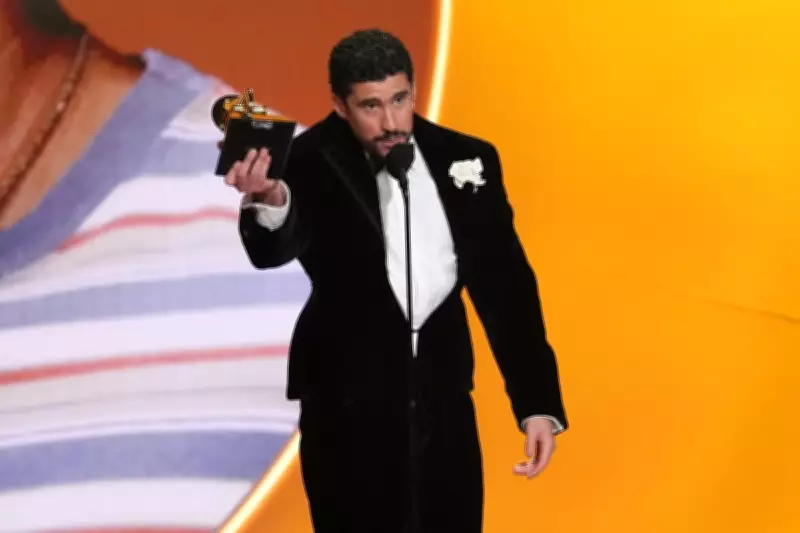
The controversy stems from Bad Bunny's Grammy acceptance speeches, where the musician (real name Benito Martínez Ocasio) directly criticised the Trump administration's ongoing crackdown on immigrants in the United States. In one particularly memorable moment, he declared: "Before I say thanks to God, I'm going to say ICE out," before delivering an impassioned plea for unity and love over hatred.
The artist continued with a powerful message: "The only thing that's more powerful than hate is love. So, please, we need to be different. If we fight, we have to do it with love. We don't hate them. We love our people. We love our family and there's a way to do it, with love, and don't forget that." These comments have positioned Bad Bunny as a prominent voice in the ongoing immigration debate.
Political Backlash and Alternative Halftime Show
Bad Bunny's selection as Super Bowl halftime show headliner has ignited significant backlash from prominent MAGA figures and conservative commentators. Critics have labelled the "Dákiti" singer a "massive Trump hater" and an "anti-ICE activist," with some even criticising his lack of English-language songs in his repertoire.
The controversy extends beyond Bad Bunny, as Green Day has also been tapped to perform at Super Bowl festivities. The band, comprising Billie Joe Armstrong, Mike Dirnt and Tré Cool, has a long history of publicly criticising former President Trump, adding further fuel to the political fire surrounding this year's entertainment lineup.
In response to these developments, Turning Point USA – the right-wing political organisation founded by conservative activist Charlie Kirk – has announced plans for a rival show called The All-American Halftime Show. Scheduled for the same night as the 2026 Super Bowl between the New England Patriots and the Seattle Seahawks on February 8th, this alternative event will feature country singers including:
- Kid Rock
- Brantley Gilbert
- Lee Brice
- Gabby Barrett
While the exact venue remains undisclosed, the rival show will broadcast across four conservative networks: Charge!, DailyWire+, TBN and Real America's Voice. It will also stream on Turning Point USA's social media channels, including YouTube, X and Rumble. Organisers plan to air their alternative halftime show within the same 8:00-8:30 p.m. Eastern Time window as the official Super Bowl halftime performance.
Broader Implications for Sports and Politics
This developing situation highlights the increasingly complex intersection between major sporting events, entertainment, and political discourse. The NFL's decision to stand by Bad Bunny despite the controversy demonstrates the league's commitment to artistic expression, while simultaneously exposing the deep political divisions within American society.

As the Super Bowl approaches, all eyes will be on how these competing narratives unfold, with the halftime show becoming a focal point for broader cultural and political conversations about immigration, free speech, and the role of entertainment in social commentary.





