Government U-turns on free TV licences for benefit claimants after backlash
Ministers drop free TV licence plans for benefit claimants

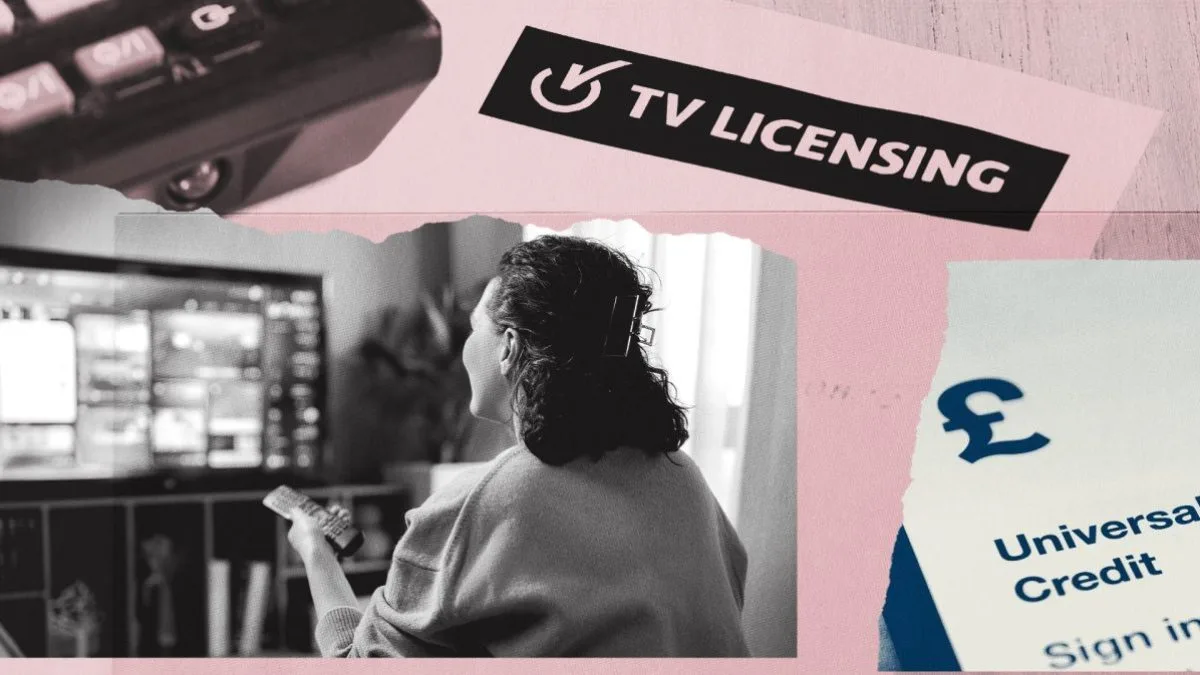
The government has performed a sharp U-turn on controversial plans to provide free television licences to individuals claiming benefits. The proposal, which sparked a fierce public and political backlash, has been officially shelved before a public consultation on the future of the BBC was even completed.

From Proposal to Retreat

The radical idea was first unveiled by Culture Secretary Lisa Nandy in December as part of a wider vision for funding the BBC from 2028. A government policy paper suggested considering "further targeted interventions to support household budgets", looking to models in countries like Germany where social benefit recipients get free or discounted TV licences.

However, in a Westminster Hall debate this week, Media Minister Stephanie Peacock explicitly rowed back from the plan. She told MPs: "We are not looking to expand free TV licences or give them free to those in receipt of benefits....I can be clear about that now." This marks a significant retreat from the government's initial position.

Exploring Alternatives and Facing Criticism

Instead of the blanket exemption for benefit claimants, ministers are now focusing on other "targeted interventions". These could include new concessionary schemes or more flexible payment schedules to assist those who struggle with the annual fee of £174.50. Notably, Ms Peacock did not rule out the possibility that middle-class households might have to pay more to fund such concessions, as indicated in the consultation documents.

The initial proposal for an exemption for the six million working-age people on benefits, highlighted by the Daily Mail, drew immediate and angry criticism. John O'Connell of the TaxPayers' Alliance labelled the idea "absurd", arguing it would unfairly squeeze middle-class taxpayers. Shadow Culture Secretary Nigel Huddleston echoed this, stating it would be "outrageous" if hard-working people footed the bill for those on benefits.

Broader BBC Funding Debate

The future of the licence fee is part of a larger government consultation on the BBC's funding model, launched in December for a 12-week period. Another contentious idea floated was allowing the BBC to carry advertising on its services to raise more income. Ms Peacock noted there were "concerns about the potential for advertising on the BBC to impact commercial providers" like ITV and Channel 4, and promised the government would "carefully consider the potential impacts" on the wider media market.

Any final changes resulting from this process will be set out in a White Paper and are not due to take effect until 2028, after the current BBC charter expires. Currently, the only group that automatically qualifies for a free TV licence are over-75s who claim Pension Credit.

The news comes as outgoing BBC Director General Tim Davie revealed to a parliamentary committee that he faces pressure to remove the BBC from Elon Musk's platform X, formerly Twitter. He resisted, arguing the corporation must remain on major social platforms to provide quality information and counter disinvestment from state actors like China and Iran.