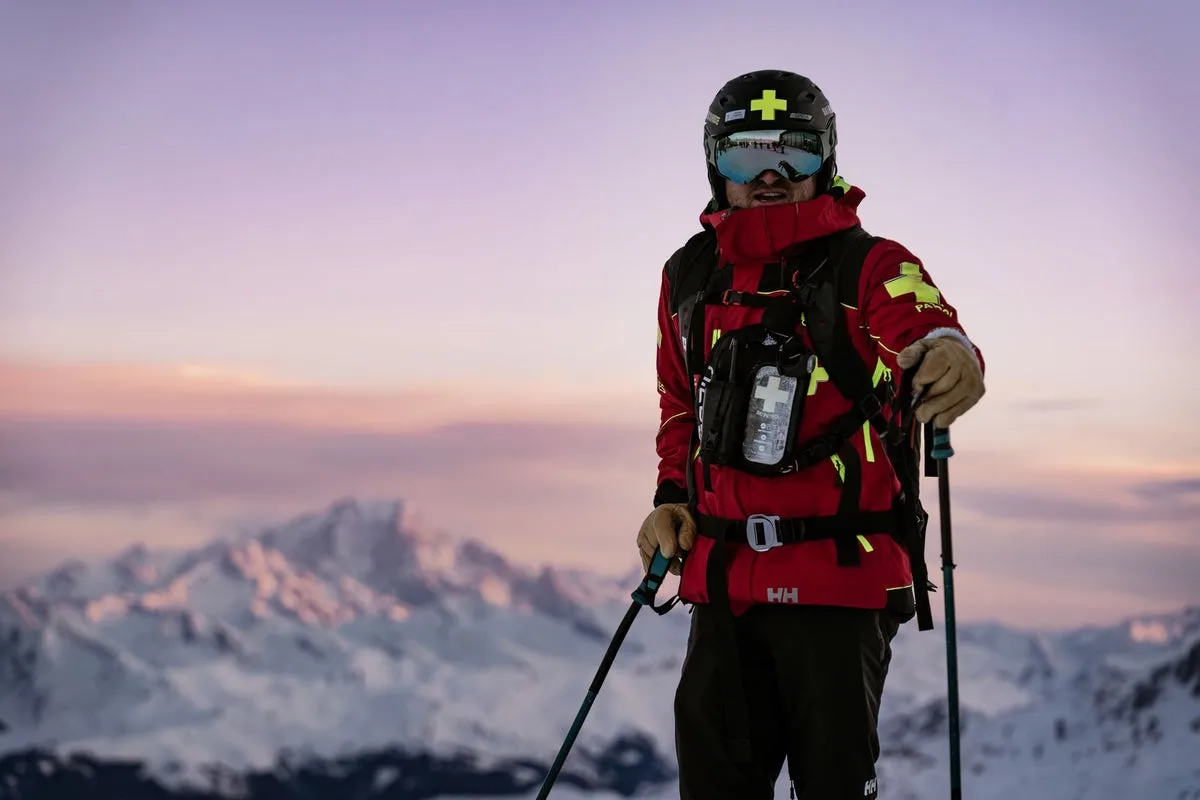
So far this season, 124 people have died in avalanches across Europe, according to the European Avalanche Warning Services (EAWS), surpassing the annual average of 100. In the French Alps alone, the death toll stands at 30, with the ski season only halfway through. Against this backdrop, ski patrollers in resorts like Les Menuires work tirelessly to keep slopes safe, often starting before dawn to assess and mitigate risks.
Les Menuires, part of the Three Valleys—the world's largest ski area—employs 53 patrollers. Their day begins with early-mountain sweeps on freshly groomed pistes, but their expertise extends far beyond skiing. Gilles Roux-Mollard, 57, a slope manager with 37 years of experience, explained that avalanche risk and snowfall dictate start times: heavier snow means earlier starts to ensure safety before lifts open to the public.
The patrollers' skill is matched by their reliance on advanced equipment, including gear from Helly Hansen, which outfits over 55,000 professionals globally. Technology plays a key role: in 2020, Les Menuires became the first resort worldwide to use drones for inspections and rescues. Head patroller Raphael Luzy noted that drones can reach accident scenes in under three minutes, and they also help operate Gazex systems remotely to trigger controlled avalanches.

Avalanche rescue dogs are another vital asset. During training, three dogs—each owned by a patroller—uncovered buried volunteers within minutes. Patrollers explained that 90% of victims survive if recovered within 15 minutes of burial (barring fatal injuries), but survival drops to 30% after 30 minutes. A trained dog with Recco tracking equipment can search one hectare in 30 minutes, a task that would take 20 humans four hours.
The camaraderie among patrollers is palpable; they know any day could bring life-or-death situations. After training, the dogs are carried on their owners' shoulders down the mountain to prevent fatigue and paw injuries. This blend of human skill, canine assistance, and cutting-edge technology underscores the relentless effort to make skiing safer in one of the world's most challenging environments.