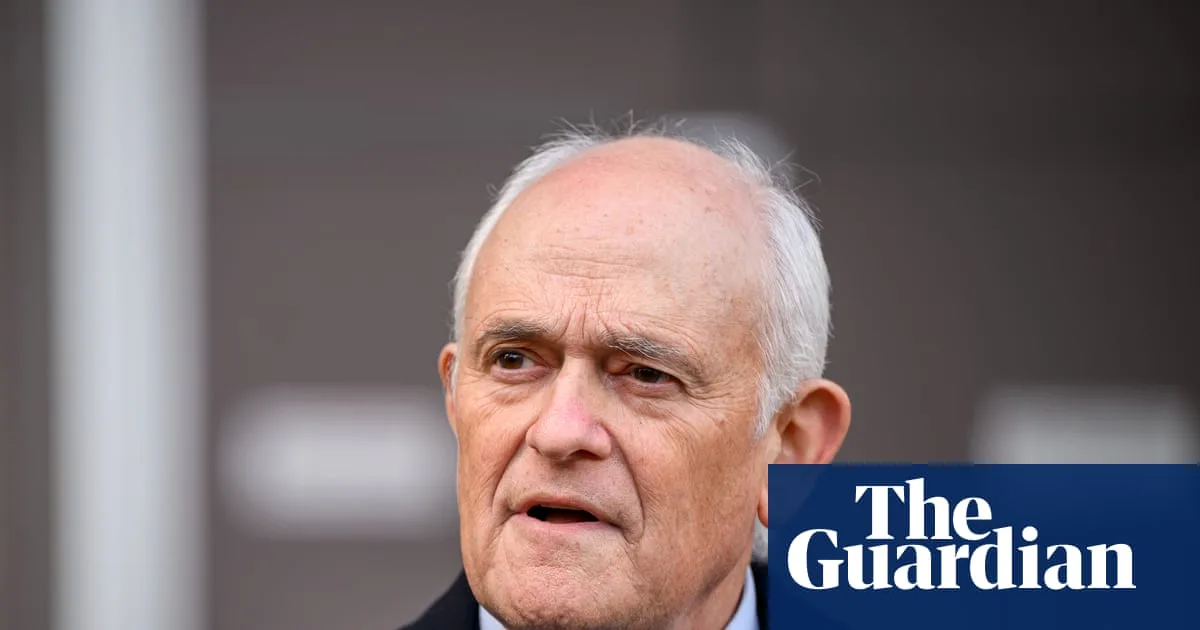
The Executive Council of Australia Jewry has called for a last-minute compromise on tough new hate speech laws, expressing disappointment that the most controversial elements of the legislation have been paused. The appeal comes after Prime Minister Anthony Albanese agreed to split the draft laws, with new gun control measures expected to pass with Greens support, while vilification and intimidation provisions remain stalled due to opposition from both left and right.
Peter Wertheim, co-chief executive of the Executive Council, implored Mr Albanese and opposition leader Sussan Ley to thrash out a deal, warning that the community remains at risk from antisemitic hatred. “We are disappointed there will not be a serious vilification offence and very concerned at the message this will send that deliberate promotion of racial hatred is not considered serious enough to be criminalised,” he said on Sunday.
Shadow home affairs minister Jonathon Duniam blamed the government for a rushed process, stating that what should have happened weeks ago was now being handled at the 11th hour. The gun laws include the biggest buyback since the Port Arthur massacre, tougher rules on gun importations, and new offences for online material linked to firearms manufacture. Intelligence agencies would also conduct background checks for firearm licences.

The government would gain powers to ban groups such as neo-Nazi organisations and Hizb ut-Tahrir, and to revoke or refuse visas for individuals with extremist views. Finance minister Katy Gallagher challenged Ms Ley to honour her offer of support made after a fatal attack at a Jewish Hanukah event in December, urging unity in parliament.
However, the Australian Federation of Islamic Councils (Afic) welcomed the pause on hate speech provisions, criticising the rushed process. President Rateb Jneid warned that proposed rules on designating hate organisations were dangerous, arguing that outlawing groups based on secret evidence and political discretion undermines democracy.