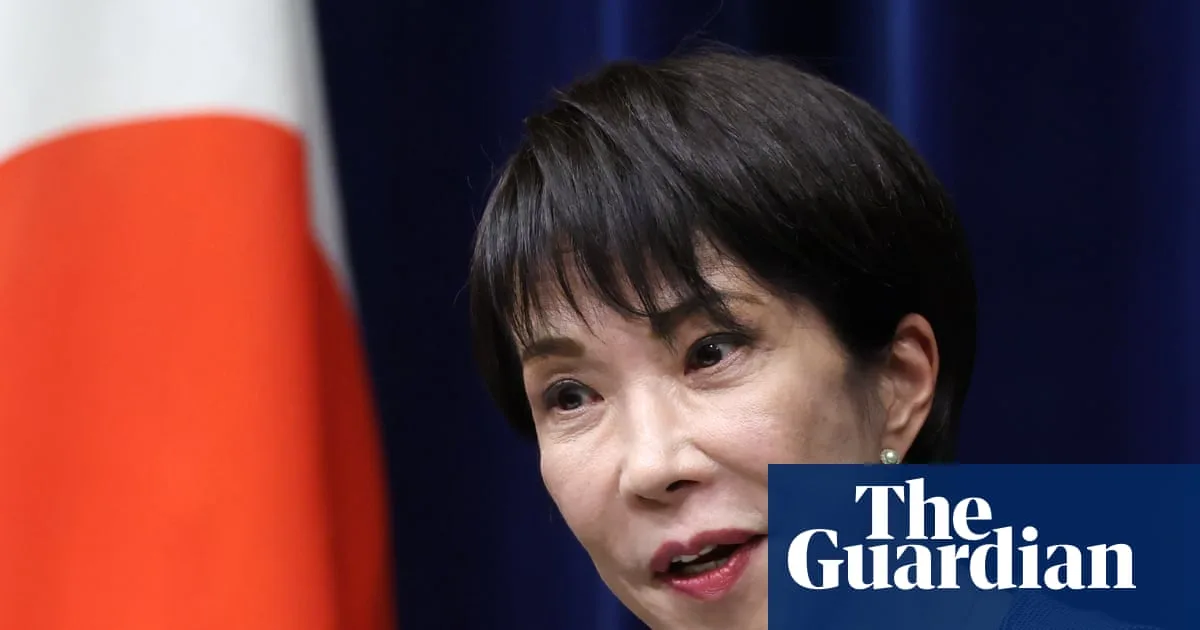
In a landmark cross-party move, female lawmakers in Japan are demanding urgent upgrades to the parliamentary facilities, citing a severe shortage of women's toilets that fails to accommodate their growing numbers. The petition, a rare show of unity, has been signed by nearly 60 legislators, including the nation's first female prime minister, Sanae Takaichi.
A Queue for Equality: The Toilet Shortage Crisis
The heart of the issue lies in the main chamber of Japan's House of Representatives. For the 73 women currently serving, there is just one women's restroom near the main plenary hall, equipped with only two cubicles. Yasuko Komiyama, an MP with the opposition Constitutional Democratic Party, described the impractical scene: "Before the main assembly session, a truly large number of female lawmakers line up in front of the women’s restroom."
The petition, backed by 58 women from seven different parties and independent groups, was submitted earlier this month to Yasukazu Hamada, who chairs the lower house committee on rules and administration. It warns that this logistical failure is "a critical issue that could potentially impact the conduct of proceedings and the performance of duties."
Historic Building, Modern Problem
The imbalance is stark when comparing facilities. Reports indicate the lower house has 12 men's toilets with 67 stalls, compared to just nine women's restrooms containing 22 cubicles in total. This disparity is a physical reflection of a legislature designed for men. The National Diet building was completed in 1936, almost a decade before women gained the right to vote in 1945.
The problem extends beyond elected officials. As Komiyama noted on Facebook, the shortage affects female parliamentary staff and the increasing number of women journalists covering politics. Another opposition MP, Tomoe Ishii, stated on Instagram that the issue has "long been an issue," pointing to a broader societal reluctance to address the need for more women's facilities in workplaces and schools.
A Symbol of Progress and the Journey Ahead
This push comes after significant, yet insufficient, political gains for women. Japan elected Sanae Takaichi as its first woman prime minister last year, and the most recent election boosted the number of women in the lower house from 45 to over 70. However, women still hold under 16 per cent of the seats in the powerful chamber.
Japan ranks 118th out of 148 countries on the World Economic Forum's Global Gender Gap Index, and women in politics often face sexist remarks during campaigns. While the government aims for women to hold 30 per cent of legislative seats, progress is slow. Prime Minister Takaichi, despite advocating for 'Nordic' levels of gender balance, appointed only two other women to her 19-member cabinet.
For the petitioning lawmakers, the toilet shortage is a potent symbol. "In a way, this symbolises how the number of female lawmakers has increased," said Yasuko Komiyama. She expressed hope that resolving this basic issue in parliament would spark a wider movement for gender equality across Japanese society, proving that substantive change often starts with addressing the most fundamental needs.