

Iranian Coach Hailed Lindsey Vonn as Her Superhero Before Alpine Crash
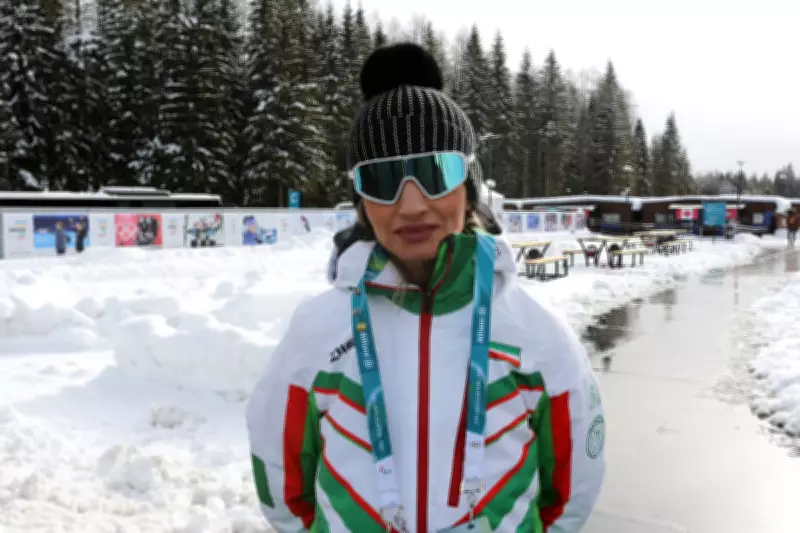
Before U.S. skier Lindsey Vonn's startling crash on Sunday while racing on a badly injured left knee, Iran's Alpine women's skiing coach shared heartfelt words of admiration for the American athlete. "She's my superhero," Mitra Kalhor told The Associated Press in the Cortina Olympic and Paralympic Village on Thursday. Kalhor's comment underscored the Olympics as a unique place of camaraderie, where political tensions between governments like the U.S. and Iran often fade into the background.
Pin Trading Tradition Highlights Olympic Spirit
That conviviality is vividly displayed through athletes trading national team pins, a beloved Olympic tradition that fosters connections across borders. "I would love to get a pin from Lindsey Vonn," Kalhor said, noting she had met the three-time Olympic medalist previously at world championships. After Vonn's crash, Kalhor expressed her distress, calling the skier "super strong" and sharing how her heart broke witnessing the incident.
Pin trading dates back to the first modern Olympic Games revived by Pierre de Coubertin in 1896. At the Cortina Olympics, athletes proudly wear lanyards displaying pins from other teams and showcase them on social media. On the Olympia delle Tofane course, where Vonn raced, skiers swapped pins during fog delays, illustrating the tradition's enduring appeal.

Iran's Pin Becomes a Hot Commodity
Just as Kalhor coveted a pin from Vonn, many athletes sought Kalhor's Iran pins. She started with about 30 and was nearly out by Thursday, surprising given Iran's small team of just four athletes, with only one in Cortina. "All the countries came to us—'It is possible to change the pins'? For me, it was really interesting because I never thought somebody would like to get it," Kalhor said, expressing delight at the excitement.
American bobsledder Boone Niederhofer embarked on a mission to find Iranian skier Sadaf Savehshemshaki specifically for the rare Iranian pin. "It's a way to interact with people who you might not otherwise," Niederhofer explained, though he hadn't succeeded in trading by Sunday morning.
Other Prized Pins and the Pin Trading Craze
The athletes' village serves as a hub for pin exchange, with other sought-after pins including:
- China's designs featuring a panda with Olympic mascot Tina, admired for beauty and variety.
- Netherlands' pin with tiny clogs, esteemed for uniqueness.
- Pins from small delegations like the Philippines, highly coveted by many.
Canadian luge athlete Kailey Allan described the easy process: introduce oneself, discuss sports and Olympic journeys, then trade. Pin-swapping extends beyond athletes to coaches, staff, volunteers, journalists, and collectors, often asking, "Do you have a pin for me?"
American luge athlete Sophia Kirkby highlighted the craze by making hundreds of pins herself, featuring women in sport with ponytails. "Everyone wants a pin and it's crazy how it's a currency here," she said, calling herself the "pin trading queen."
A Generous Gesture with the Last Iranian Pin
On Thursday, Kalhor was spotted at an outdoor coffee stand in the village. Walking back to her room, an Italian security guard stopped her for a pin—it was her very last one. She gave it to him despite having none to trade, feeling "super happy" that all her pins were gone early, a testament to their popularity.
This story exemplifies how Olympic traditions like pin trading bridge divides, fostering unity and friendship among athletes worldwide, even amidst competitive pressures and geopolitical tensions.






