

The International Olympic Committee is poised to implement fresh regulations concerning gender eligibility in women's Olympic sports within the coming months, according to an official statement released on Saturday. This development follows significant controversy and debate that emerged during the Paris 2024 Games, prompting a renewed focus on defining and protecting the female category in international competition.
Timeline and Leadership Commitment
An IOC spokesperson confirmed that the new framework is expected to be finalized and published during the first half of this year. The initiative represents a key priority for IOC President Kirsty Coventry, who assumed leadership in March of last year. President Coventry has publicly emphasised safeguarding the integrity of women's sports as a fundamental objective of her tenure, aiming to address the complex issues surrounding eligibility that have sparked global discussion.
Background: The Imane Khelif Controversy
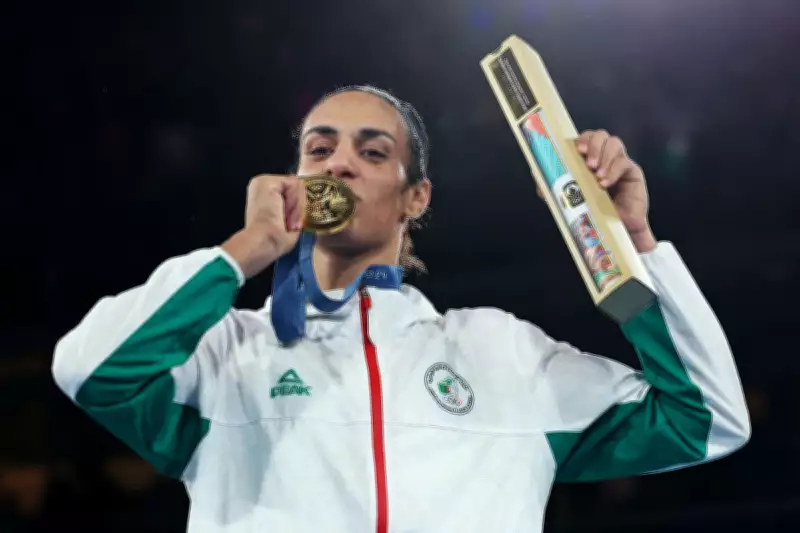
The urgency for updated guidelines was highlighted by the case of Algerian boxer Imane Khelif, who secured a gold medal in Paris. Khelif became a central figure in the gender eligibility dispute after the International Boxing Association, the sport's former governing body, disqualified her prior to the 2023 world championships over an alleged failure of an unspecified sex test. Despite this, she was permitted to compete under IOC oversight at the Olympics, where her participation ignited widespread media attention and political commentary.

Notably, former US President Donald Trump has repeatedly and inaccurately labelled her a "male boxer," even referencing her case in an executive order focused on excluding men from women's athletic competitions. Khelif, aged 26, has clarified her biological status in recent interviews, explaining to French publication L'Equipe that she underwent medically supervised hormone treatments to reduce her naturally elevated testosterone levels before the Games but affirmed she is not transgender.
Scientific and Personal Clarifications
She confirmed possessing the SRY gene, typically located on the Y chromosome, which plays a role in sex determination. Khelif expressed willingness to undergo compulsory sex testing to defend her title at the Los Angeles 2028 Olympics, stating, "I have female hormones. And people don't know this, but I have taken hormone treatments to lower my testosterone levels for competitions. We all have different genetics, different hormone levels. I'm not transgender. My difference is natural."
In a separate discussion with CNN, she acknowledged the IOC's authority while urging caution, remarking, "They should protect women, but they need to pay attention that while protecting women, they shouldn't hurt other women."
Consultation and Consensus Building
IOC spokesperson Mark Adams addressed the forthcoming policy, noting, "It's going to be happening, I would say, shortly or within the next few months. It's been out for consultation, we've had pause to reflect on it. I think generally speaking there is a consensus within the sporting community." This process of stakeholder engagement suggests a collaborative approach to establishing standards that balance fairness with inclusivity.
Existing Measures in Individual Sports
Several international sports federations have already instituted mandatory sex testing protocols to determine eligibility for female categories, indicating a broader trend toward formalised regulation. The IOC's upcoming rules are expected to provide a unified framework that could influence these individual policies, aiming to standardise criteria across Olympic disciplines and mitigate future disputes.
The announcement underscores the ongoing evolution of policies in elite athletics, as governing bodies grapple with scientific, ethical, and social dimensions of gender identity and biological variation. The resolution of these issues is critical for maintaining competitive integrity and athlete welfare in the global sporting arena.






