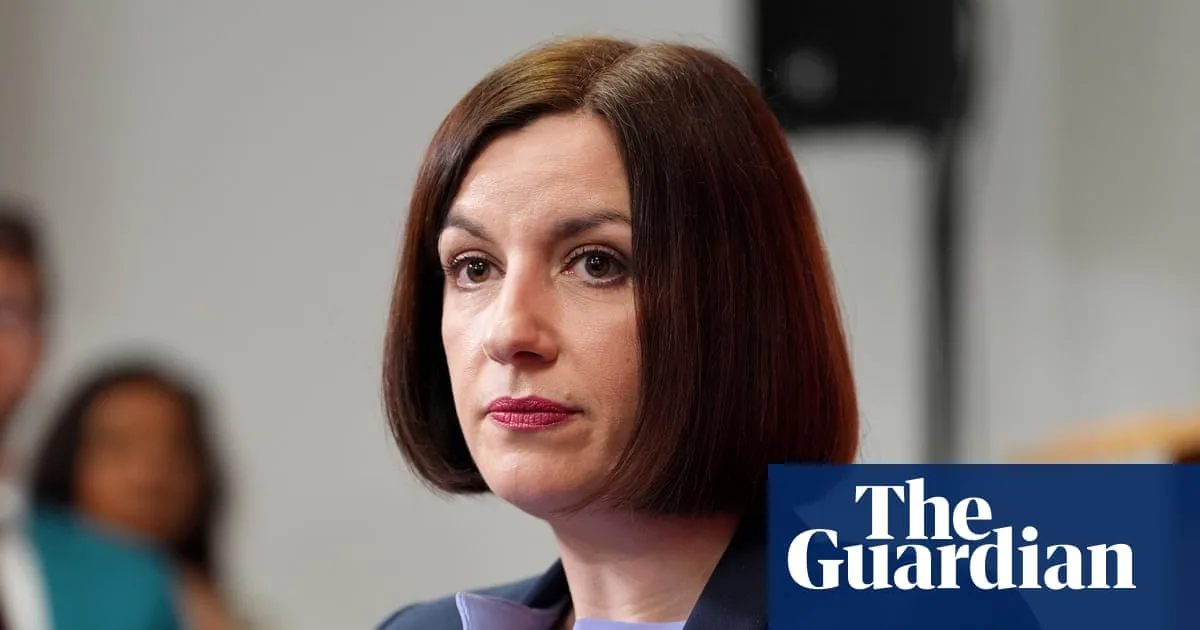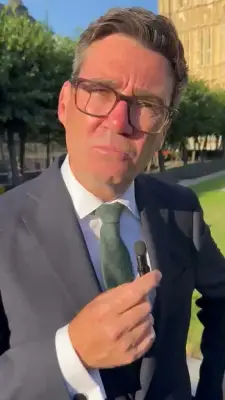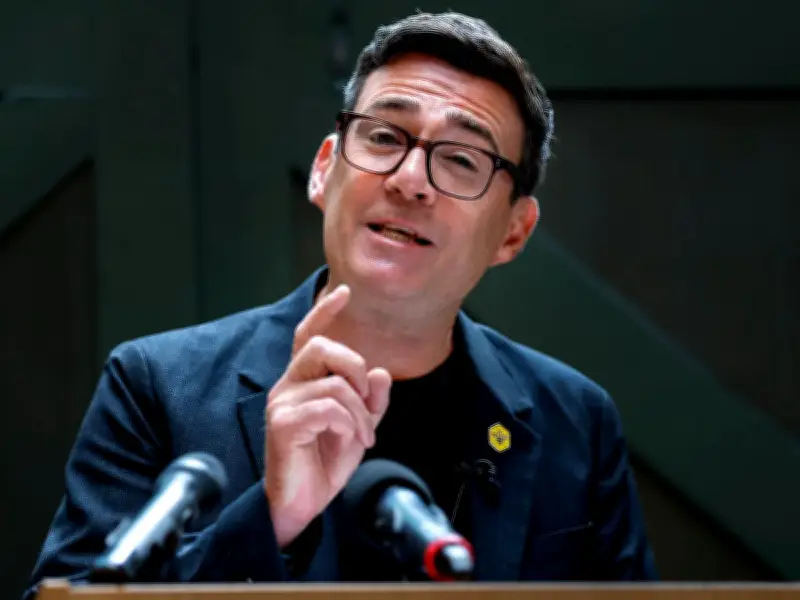
Andy Burnham is set to formally become Prime Minister on Monday, July 20, succeeding Sir Keir Starmer. The former mayor of Greater Manchester and new MP for Makerfield secured overwhelming backing from Labour MPs to become party leader. His policies are now under scrutiny, with key areas including immigration, pensions, benefits, tax, social care, and education.
Immigration and Asylum
Burnham has stated that the government needs to 'go further' in stopping illegal migration, noting it was a major issue during his Makerfield campaign. He claimed small boat crossings are 'down 40 percent year-on-year' under the current government and that returns have increased, but insisted more action is needed. In a BBC interview, he said the UK 'isn't functioning properly' and that the small boats issue 'completely speaks to that.' He suggested greater use of detention centres for asylum seekers without valid claims.
Burnham also argued that 'all areas of the country' should house asylum seekers, criticizing the Home Office for concentrating them in low-cost areas. He recalled his time as immigration minister under Tony Blair, when the country 'did get a grip on the system.' He voted in favour of Home Secretary Shabana Mahmood's asylum reforms, which include tighter rules on Article 8 of the European Convention on Human Rights. His stance on doubling the time for indefinite leave to remain remains unclear.

Pensions and Benefits
Burnham has committed to keeping the state pension triple lock, calling it 'important' to maintain the Labour manifesto commitment. The triple lock ensures the benefit increases annually by at least 2.5 per cent, or in line with wage growth or inflation, whichever is highest. He told the Times he would not be 'squeamish' about reducing the welfare bill but ruled out 'crude' short-term cuts, favouring long-term plans to 'support people into work.' No changes to benefit eligibility have been proposed yet, but the Timms report on Personal Independence Payments (PIP), which found the benefit 'not fit for purpose,' may prompt decisions.
Tax and Cost of Living
Burnham said he will 'stick by' Labour's 2024 manifesto, which promised not to increase taxes on 'working people' (National Insurance, income tax, VAT). However, he suggested 'some room for movement on tax,' proposing higher business rates on warehouses to cut rates for pubs and lifting some high street businesses out of rates altogether. He declined to rule out a wealth tax, indicating the government 'might be having to ask for a little more' to balance the books. On the cost of living, he argued Britain is 'paying too much for the basics' and plans more public control over water, energy, and transport to reduce bills.
Universal Social Care
Burnham has long supported a universal social care system. He previously suggested a levy on estates to fund it and proposed replacing inheritance tax with a 'care levy' for a national care service. During his by-election campaign, he said he 'would not flinch' in fixing social care, promising to bring forward the Casey review from 2028 to the end of this year. He believes the NHS is 'almost being overwhelmed' by the 'broken' care system and supports abolishing inheritance tax in favour of a care levy.
Education and Training
Burnham plans to transform education to support young people pursuing technical qualifications and open direct pathways into industry. He took the findings of Alan Milburn's report on Neets (young people not in education, employment, or training) 'very seriously,' calling for a 'complete rethink' of how the next generation is supported. He said university is 'great for those who want it,' but there must be focus on 'the life chances of those kids who want something different.' He also pledged to include social value, such as apprenticeships, in government defence procurement contracts, criticizing the lack of a strong intentional approach to British procurement. He has previously voiced support for replacing university tuition fees with a graduate tax.