Australian taxpayers are set to foot an eye-watering bill of approximately $2 million for a special two-day recall of Parliament next week, even as the government's divisive hate speech legislation appears headed for defeat.
Costly Recall Amid Legislative Impasse
Both the House of Representatives and the Senate will return to Canberra on 19 and 20 January to debate sweeping national security reforms proposed in the wake of the Bondi Beach terror attack. However, the government's push is faltering, with the Greens, the Coalition, and several crossbenchers refusing to support the bill in its current form.
Labor requires support from 10 additional senators to pass the legislation. This support is not forthcoming, with both One Nation and key crossbenchers vowing to vote against it regardless of any final amendments. Without a deal with either the Greens or the Coalition, the expensive sitting risks ending in political deadlock.

Civil Liberties Concerns and Mounting Costs
Greens senators have been vocal in their opposition. David Shoebridge and Mehreen Faruqi stated they would not be pressured into supporting laws they view as a threat to fundamental freedoms. "This is very complex legislation. And we did not create the timetable," Shoebridge said, criticising the government for attempting to rush through sensitive social questions.
The Greens warned the bill could stifle legitimate political protest, including criticism of foreign governments like Israel. They are open to amendments but have signalled the bill requires major changes to gain their support.
Meanwhile, the financial cost of the recall is substantial. According to the Department of Parliamentary Services budget, it costs roughly $850,000 to operate Parliament House for a single sitting day. For two days, this amounts to about $1.7 million before debate even begins.
Travel expenses push the total closer to $2 million:
- Australia's 227 MPs and senators each receive a $310-per-night allowance, totalling around $140,000 for two nights.
- Most MPs bring at least two staffers entitled to the same allowance, adding approximately $281,000.
This means flights, accommodation, and expenses for more than 680 people.
Political Opposition Hardens
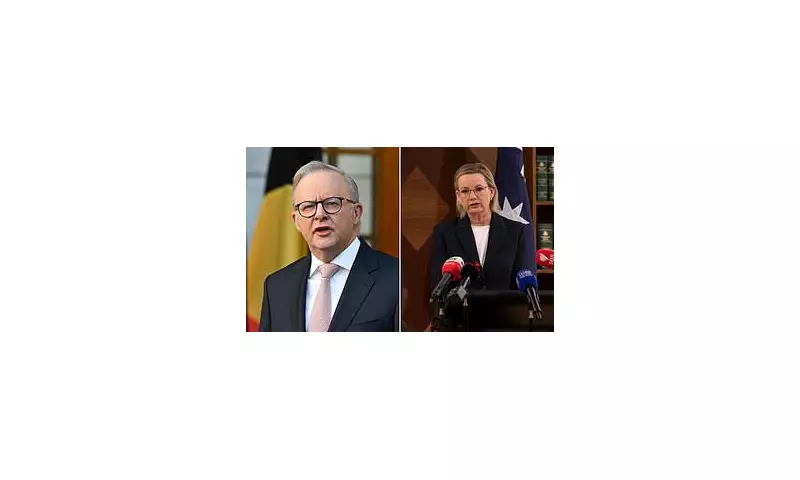
The government's path to passing the bill has narrowed further. Opposition Leader Sussan Ley declared the legislation "unsalvageable," citing risks to free speech and religious freedom. Prime Minister Anthony Albanese dismissed claims he was rushing the process, pointing out that Ley and others had demanded Parliament's return immediately after the Bondi attack.
Nationals MPs have launched fresh attacks, particularly on the bill's gun buyback provisions, which would see costs split evenly with states and territories. Queensland, Tasmania, and the Northern Territory have already refused to contribute. Nationals senator Bridget McKenzie argued the buyback "unfairly targets law-abiding firearm owners."
Parliament will open Monday's sitting with a condolence motion for the victims of the antisemitic attack at Bondi Beach. While the government has signalled openness to amendments, it still lacks the numbers to guarantee the bill's passage, leaving the costly recall in danger of achieving little beyond a hefty invoice for the public.