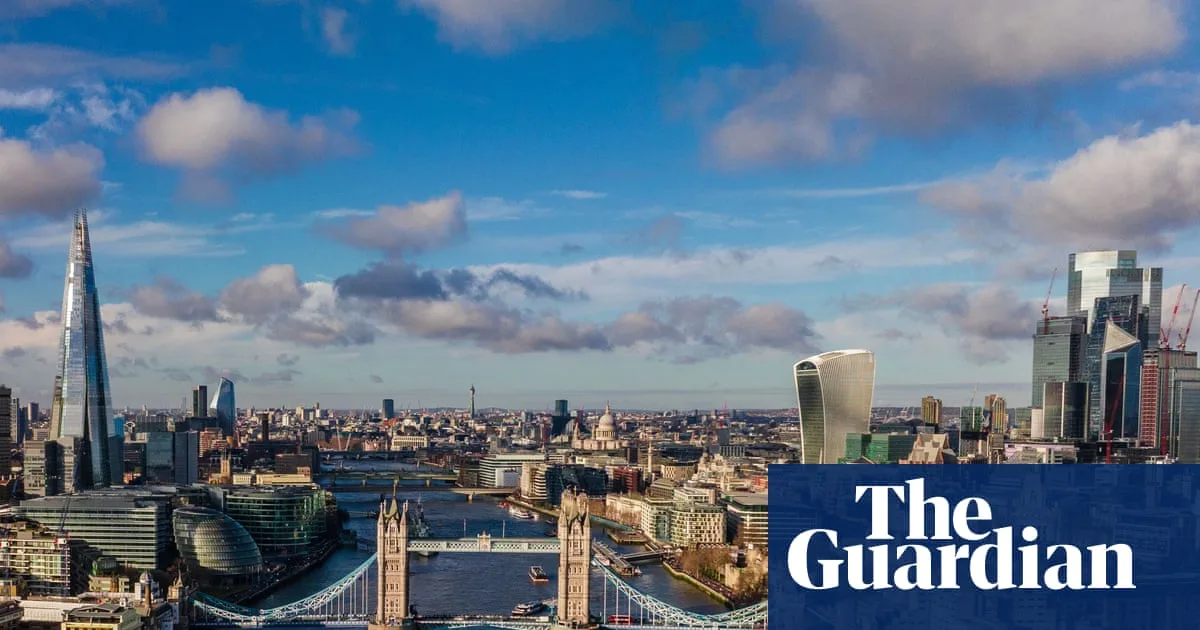
Readers have responded to Jonathan Liew's recent article defending London against right-wing attacks, sharing personal experiences of the capital's vibrant and safe multicultural environment. Marian Borthwick, 80, who retired to north-east London, described the city as a place of welcome and joy, contrasting it with quieter regions like Devon and Hampshire where she missed the 'heartbeat' of art and music. She praised Londoners for their politeness and helpfulness, particularly young men of Asian descent who offer seats on public transport.
Bob Bunn, a white British Londoner of seven years, echoed these sentiments, arguing that the right-wing demonisation of London stems from its diversity, which challenges a narrow 'British way of life'. He highlighted the city's harmony across colour, creed, and gender, calling multiculturalism a threat to those who prefer exploitation over welcome.
However, not all responses were entirely positive. Charlie Swan from Suffolk cautioned that cities like London can disconnect people from nature, citing research on Britain's low 'nature-connectedness' and its impact on wellbeing and biodiversity. He urged a deeper understanding of urban life that includes our relationship with the natural world.

Other readers offered lighter critiques. Nik Le Saux pointed out that the M23 motorway to Brighton ends at Crawley, leaving only half a motorway, while Rosie Smithson from Felixstowe challenged Liew's selective use of knife crime statistics, noting that London's rate per 100,000 is far higher than Suffolk's despite a smaller percentage increase.