An influx of climate-denying far-right MEPs could pose a 'toxic' threat to EU climate policy after the European elections, according to senior MEPs and academics.
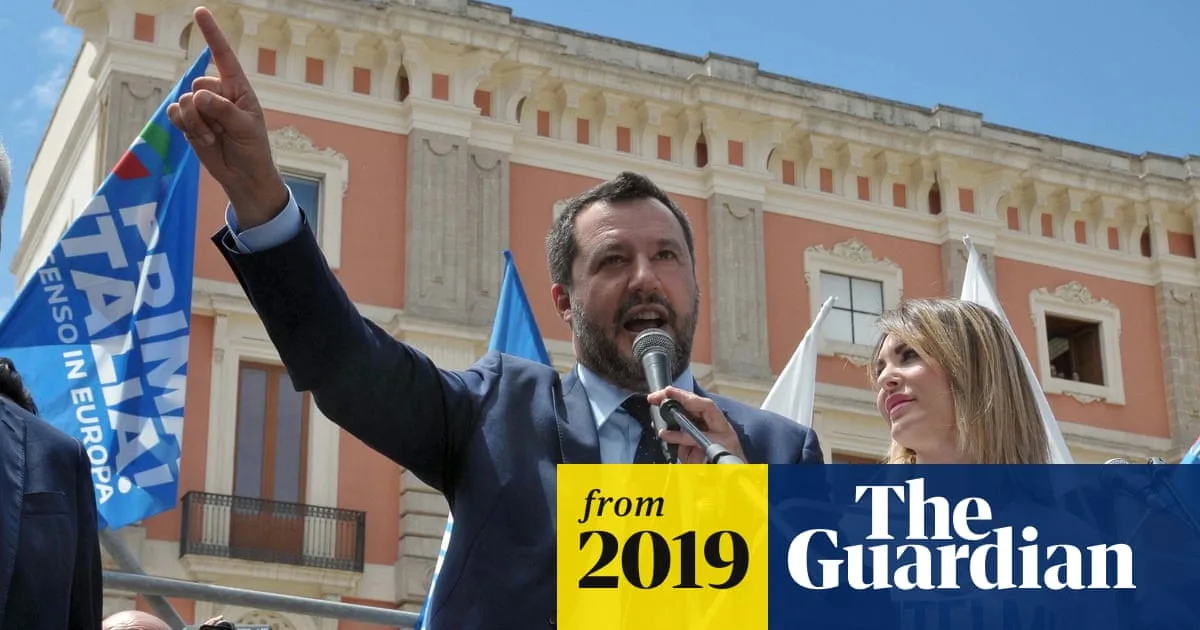
Populist parties are expected to take up to a third of the parliamentary seats in Thursday's vote, with Matteo Salvini's League and Marine Le Pen's National Rally among the largest. Cooperation among far-right forces is uncertain, but those in Salvini's alliance view climate action as a barrier to fossil-fuel growth.
Alexander Carius, director of the Adelphi Institute, said: 'Climate policy is going to be the new battleground between the democratic centre and rightwing populists attacking institutions and questioning the scientific foundation of decision-making.' The UK Labour MEP Seb Dance added that populists will seek to be 'disruptors and saboteurs', and warned that a strong populist vote could lead to 'toxic' nominations for European Commission posts.

Research shows populist groups have the most negative voting records on climate proposals. Salvini's League voted against almost all key climate measures in the last parliament, while Germany's AfD and the UK's Ukip deny climate change. The National Rally opposes wind energy and has links to Steve Bannon.
Despite public demand for climate action, with over three-quarters of Europeans prioritising the crisis, centrist parties like the European People's Party are also seen as a threat by some NGOs. However, the rise of far-right groups may force the EPP to seek alliances with Greens.