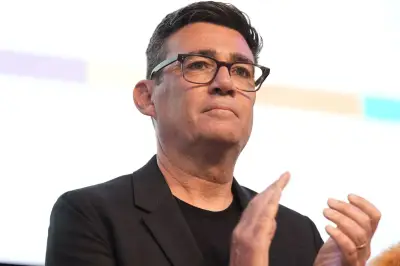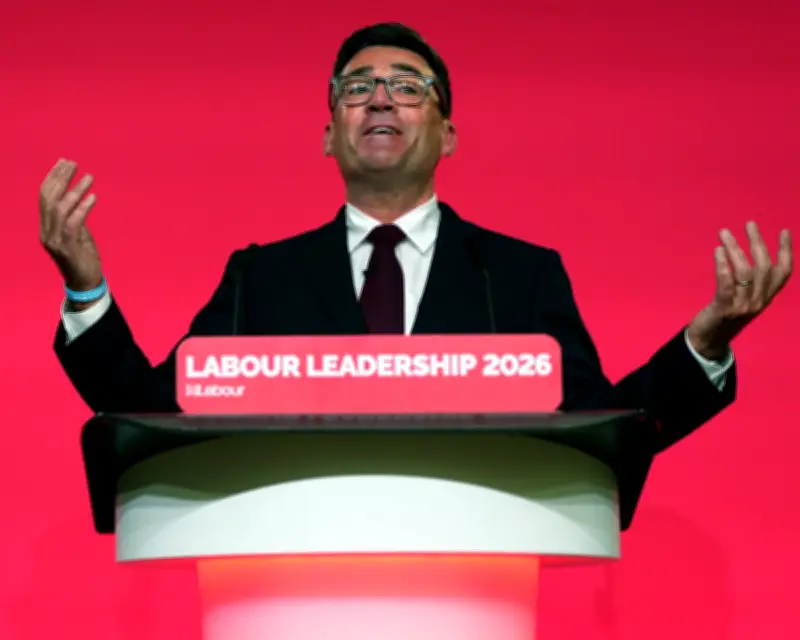
Andy Burnham has entered 10 Downing Street as Britain's prime minister, described in the UK as a coronation. On Friday, Burnham was crowned Labour leader after being the only party MP to secure enough nominations following Keir Starmer's resignation.
Australians might call it a leadership coup. For months, Burnham stalked Starmer to claim the Labour leadership in a meticulous campaign from the politician dubbed the "King of the North." Via a byelection in the seat of Makerfield, Burnham transplanted himself from the offices of the mayor of Greater Manchester into the House of Commons and now Downing Street.
Labour's Desperate Move
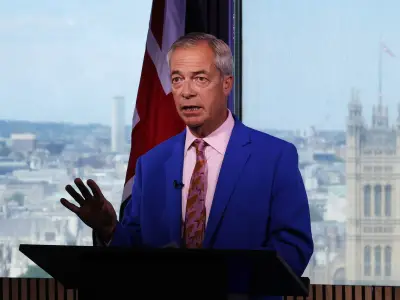
That he has done so reflects Labour's desperation. Only two years ago, a Starmer-led Labour had won a decisive election victory, but the glow quickly faded. For nearly 18 months, the party has been in electoral freefall. Labour's voting support, once hovering above 30%, plummeted to 17% in the spring. Nigel Farage's Reform UK has grown into the ascendant force, having established a consistent lead in the polls since May 2025.

For British Labour, Burnham is their great hope for revival. But the new PM faces many of the same challenges that confronted his predecessor. Is it possible to halt the march of populist nationalism? Is there life yet for centre-left politics? These are the big questions for British politics.
Australian Labor Faces Similar Test
It may not yet have reached the same urgency, but the Australian Labor party faces a similar test. The resurgence of Pauline Hanson's One Nation reveals potent voter discontent over issues including the cost of living and housing affordability. Frustration and distrust are growing. For Australian Labor, Starmer's collapse should be a salutary lesson in how the authority of a commanding parliamentary majority can quickly disappear.
We can be confident that a Burnham premiership will be different in style from Starmer's. Burnham is a more natural politician than Starmer, unafraid of flaunting his northern authenticity. Labour can be assured they have a new leader who can make an argument, connect with voters and put forward a vision.
Starmer's Grim Tone
This was the central deficiency of the Starmer premiership. British voters wanted change from a drawn-out period of austerity and were seeking leadership that could fix a country many experience as broken. Yet, right from its early days in office, the Starmer government set a grim and helpless tone. Starmer warned the public that "things will get worse before we get better" – a message aimed to manage expectations but which had the effect of demoralising voters.
Burnham is already going about things differently. In a major speech last month, he told his audience: "It promises a new era of possibility for Britain. Possibility for places that haven't felt it for a very long time … Let's give them that feeling, that ability to hope, to aspire for better."
Hope vs. Delivery
Of course, speaking of hope and delivering change aren't the same things. As PM, Burnham will need to find ways to generate economic growth and fix the foundations of a British society showing signs of cracking. There are questions as to whether Burnham will truly mark a departure from Starmer – or whether in substance it will be more of the same but with a charismatic face.
For now, having Burnham as PM means that Labour can be more confident about taking the fight to Reform. If the change in leadership works, it may well point to how centre-left political forces elsewhere can approach the task of neutering populist nationalism.
Populist Forces Stumbling
Burnham should enjoy a brief summer honeymoon. He enters Downing Street at a time when populist forces are stumbling. Farage has been under significant scrutiny of his party's receipt of donations and support, including from a cryptocurrency billionaire and a convicted criminal. In response, Farage has resigned his seat in the House of Commons, triggering a byelection in Clacton, which shapes to be a farcical contest between Farage and the eccentric novelty candidate Count Binface.

In a curious parallel, Hanson's credibility and judgment have also come under the microscope. Her call for a "monocultural Australia" is a reminder that she is unchanged from her 1990s incarnation. Her visit to the UK and Europe, meanwhile, has featured an appearance in a podcast with the rightwing extremist and convicted criminal Stephen Yaxley-Lennon (also known as Tommy Robinson). Not the stuff you'd expect of someone positioning to be prime minister.
Reset Needed
There is no inevitability about either Reform or One Nation winning government in the UK or Australia. But countering the populist challenge to liberal democracy demands something of a reset. It requires leadership that is prepared to reconnect with people, to provide a vision of a better future and most of all to deliver for a public that is impatient for change. We will find out soon enough whether, in the UK's case, British Labour has acted in time.