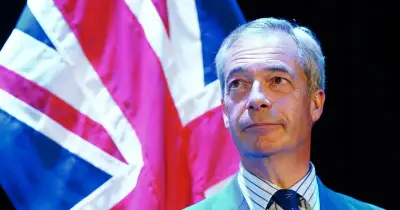
The resignation of UK Defence Minister John Healey, along with Armed Forces Minister Al Carns, has dealt another blow to Prime Minister Keir Starmer's leadership. This move was not accidental but a calculated signal from Healey that he is a leadership contender or at least deserving of a cabinet position in any new government.
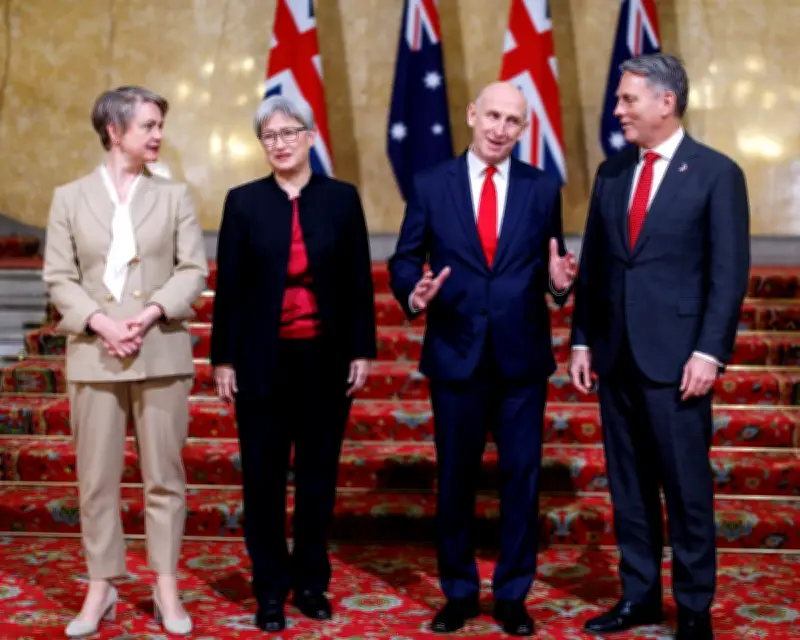
Healey's actions have also damaged the already troubled Aukus nuclear submarine proposal. By leaving Australian Defence Minister Richard Marles and Foreign Minister Penny Wong waiting in London while he focused on domestic politics, Healey demonstrated that Aukus was never more than a political stunt, expendable once it served its purpose.
The Flawed Foundations of Aukus
Conceived in secrecy and launched with great fanfare by then-Prime Minister Scott Morrison in September 2021, Aukus was a hasty attempt to meet the divergent political objectives of three distant countries.

For Australia, it was about creating another security blanket to wrap itself in the arms of great and powerful friends, addressing the pathological insecurity of occupying a vast continent. It also served to wedge Labor on national security, though Labor accepted the idea wholesale.
For Britain, it was about restoring strategic credibility after Brexit and securing cash from Australia to patch holes in its submarine construction capacity, which is now so disabled that restoring deterrence will cost tens of billions.
For the US, under Joe Biden, it was about locking allies into strategic dependency while retaining the UK and Australia as logistic and support partners for global military intervention. This cynical and self-serving arrangement easily survived the transition to the Trump administration.
Political Fragility Exposed
When two allied ministers are left cooling their heels in London, the political fragility and policy inadequacy of Aukus are exposed. When domestic political power is at stake, flimsy international agreements are cast aside. All the rhetoric about shared values and the rules-based order amounts to nothing in the face of hard domestic realities, as Donald Trump has shown.
From the outset, Aukus politics have been unsupported by policy—an 'emperor's clothes' situation where a single event exposes the enterprise's flimsiness. Five years on, fundamental policy principles justifying Australia's acquisition of nuclear-propelled submarines have not been provided.
Unanswered Questions
Basic questions remain unanswered: Why? What are the options? How? At what cost? Are there alternatives? What are the downstream effects? Australia has a history of political initiatives lacking robust policy support, and Aukus is another symptom of a rush of blood to the head.
US Under-Secretary of War for Policy Elbridge Colby has serious doubts about Aukus submarines' policy viability. The Congressional Research Service shares these concerns, noting the US naval construction industry's inability to meet Navy demands, let alone expand for Australian builds. Fobbing Australia off with second-hand Virginia-class submarines is hardly an advertisement for Marles's 'optimal pathway'.
Perhaps Healey has done everyone a good turn by showing that Aukus is not about policy but large-scale political theatre. As wise politicians know, once the political purpose disappears, the show is over.