Anti-Racism Activists Target Nigel Farage Over Alleged Role in UK Far-Right Unrest
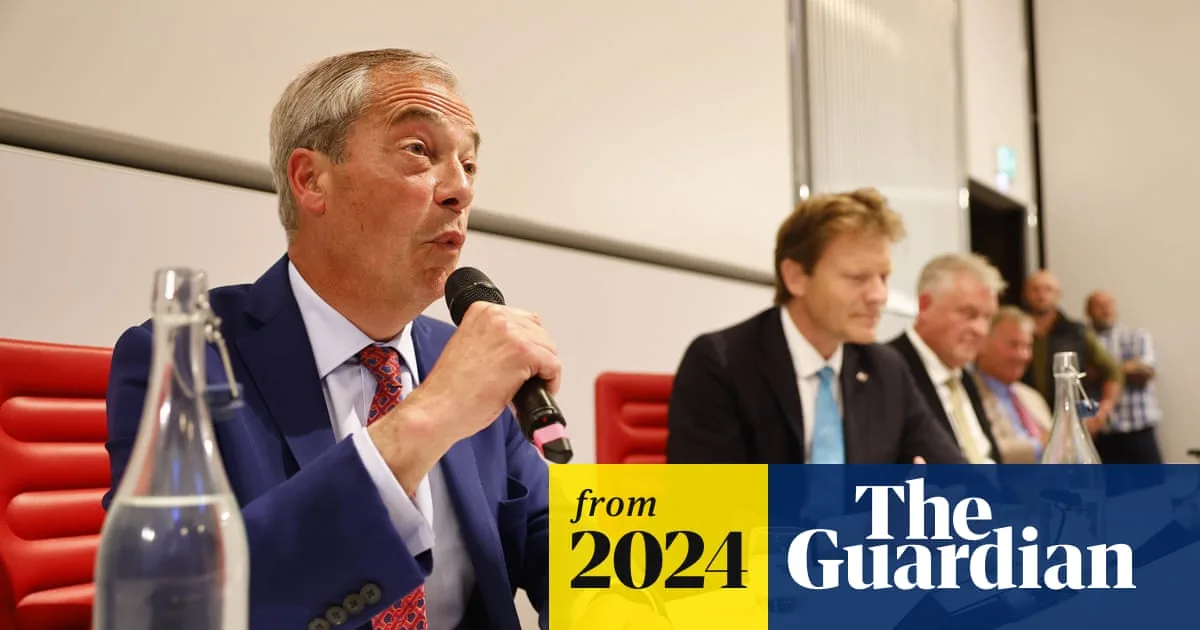
Anti-racism protesters confront Nigel Farage in London

Anti-racism campaigners staged a demonstration in London on 10 August 2024, directly targeting Reform UK leader Nigel Farage. The protest centred on allegations regarding his purported influence over recent far-right disturbances across the United Kingdom.

A Personal Reflection on a Racist Past

The controversy surrounding Farage, who has vehemently denied all accusations as "wholly untrue, defamatory, and malicious", has ignited a broader national conversation. For many, it has triggered stark memories of pervasive racism during their own school years. One columnist recalls a Cheshire comprehensive in the early-to-mid-1980s, where racist slurs were commonplace, a handful of non-white pupils faced daily abuse, and support for the National Front was openly displayed with symbols like red bootlaces in Dr Martens.

This personal history underscores a deepening societal split. On one side are those who dismiss such past behaviour as mere "hi-jinks" of a different era. On the other are those who recognise they grew up amidst toxic social attitudes that required decades of concerted effort to challenge. Alarm is now growing that these supposedly defeated ideas are rapidly regaining a foothold in mainstream politics and public discourse.

The Rising Tide of Ethnonationalist Narratives

A pivotal report from the Institute for Public Policy Research (IPPR), published on 30 December, quantified this shift. It warned that "ethnonationalist narratives" are gaining significant traction with voters. While only 3% of people explicitly link being a good British citizen to having white skin, over a third now believe true Britishness is something one must be born with—a sharp rise from one in five just a year earlier in 2023.

The IPPR authors stated this trend demands urgent action, noting: "No longer consigned to the fringes of British politics, a view of the national community defined in ethnic terms and society as a hierarchy is stirring fear, anxiety and anger in people of all backgrounds."

This ideological shift is manifesting in increasingly overt ways. The political focus has expanded from Englishness to British identity itself. Mainstream media platforms voices arguing that MPs should have "native British ancestry", while Reform MP Sarah Pochin has publicly complained about advertisements featuring diverse faces. The debate on immigration is morphing into discussions of "remigration", a sanitised term for forced repatriation, framed around new concerns over "cultural coherence".

Rewriting History and the Fight for Britain's Future

This movement is underpinned by a potent rewriting of recent British history. Prominent figures on the new right, who themselves grew up in the racially charged climate of the 1970s and 80s, often promote a nostalgic vision of a better, more monocultural past. Shadow Justice Secretary Robert Jenrick provided a stark example, describing the notoriously racist and violent football culture of the 1980s as "largely all good-natured fun".

This revisionism, critics argue, deliberately airbrushes a past marred by deep-seated racism, industrial strife, riots, and police brutality. The effective counter-argument, they insist, is that modern Britain, for all its faults, is unequivocally better than that era in almost every respect.

Labour leader Keir Starmer has framed the coming political battle as "a fight for the soul of the country", promising renewed attacks on Farage and Reform UK. However, some observers question whether a traditional political approach led from Westminster can succeed. They suggest a broader cultural pushback—led by musicians, filmmakers, athletes, and influencers—might be more effective in reclaiming the narrative with wit and optimism.

The fundamental question for 2024 and beyond is whether the hatreds once common in school playgrounds, pubs, and football grounds are grim relics of the past or ominous pointers to the nation's future. The answer will determine the stakes for Britain in 2026 and define the country's trajectory for years to come.