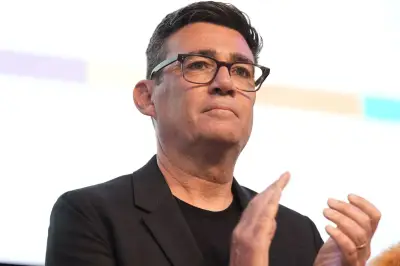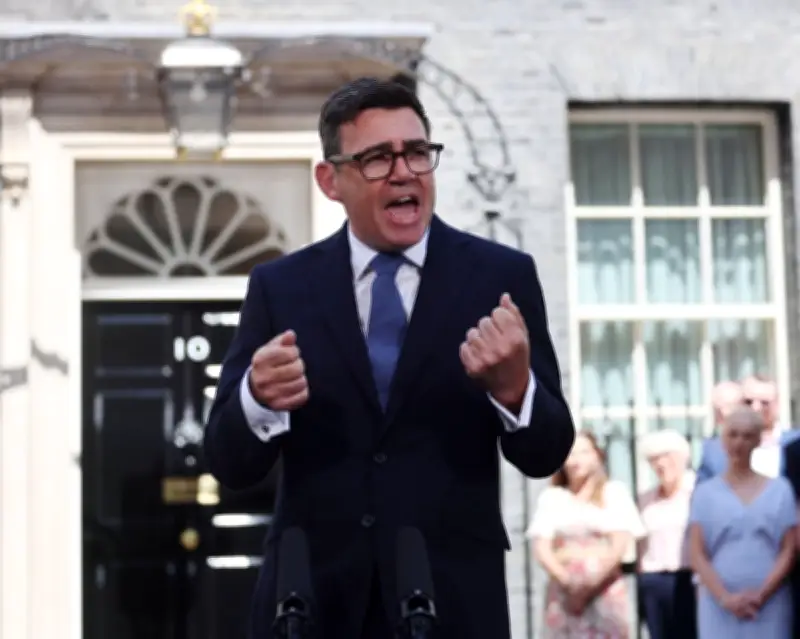
Andy Burnham has entered Downing Street with a surge of popularity and ambitious pledges to transform the UK economy and end rough sleeping. His rise, marked by impressive speeches and a relatable persona, has generated widespread hope, but questions remain about whether he can deliver on his promises.
Ambitious agenda and immediate challenges
Burnham has vowed to make the biggest changes in 40 years, including building a new economy and ending rough sleeping immediately. The latter, a highly visible test of his power, will require reaching into every alley and shop doorway. He acknowledges the immensity of the task, stating, "I know what to do."
As the most experienced prime minister in recent years, Burnham has served as chief secretary to the Treasury, run the NHS and Greater Manchester, and knows Whitehall and Westminster intimately. He also understands public discontent over stagnating incomes.

Political landscape and opposition
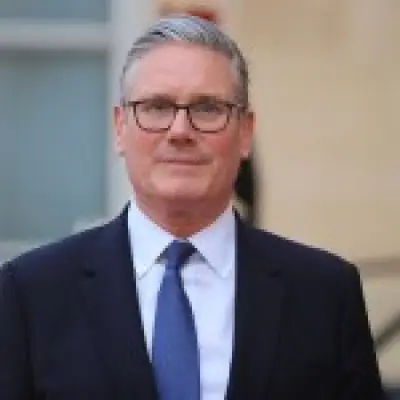
Burnham inherits a country left "stronger and fairer" by Keir Starmer, according to Starmer himself, though only 28% of the public agree Starmer did well. Starmer's government swept away the party blamed for Brexit damage, NHS crises, and degraded public services.
Burnham's net popularity far exceeds that of his predecessors, but he knows popularity can fade quickly. He plans an avalanche of signature policies in his first 100 days, with key cabinet appointments including John Healey as chancellor, Ed Miliband as foreign secretary, Yvette Cooper at health, and Shabana Mahmood as home secretary.
Audacity and luck
Burnham showed audacity by standing in Makerfield, where Reform had swept all council seats. He also openly criticizes Margaret Thatcher for 40 years of neoliberalism, breaking the spell of previous Labour leaders who courted her.
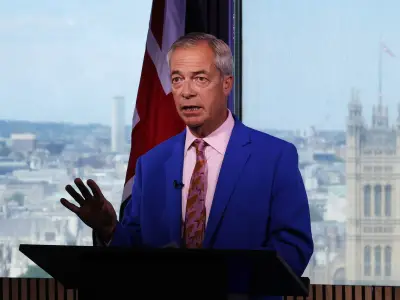
He benefits from an unexpected £16bn for capital spending, according to the FT, and economists suggest more funds are available without breaching manifesto promises. His opponents are weak: Nigel Farage faces ridicule in Clacton, and Kemi Badenoch leads the Conservatives further from voters by opposing net-zero targets and European human rights conventions.
Persona and leadership qualities
Burnham is described as "relatable," "connecting," and "understanding," with a warmth that cannot be faked. He acknowledges his working-class roots without humble-bragging, recalling a moment at Cambridge when he turned up for lunch instead of dinner after a class misunderstanding. This contrasts with Starmer, who despite a similar background, was seen as a "sir" in a suit.
The qualities that make a successful prime minister are elusive. Burnham's backbone and resolution remain untested, though his speech-making, political record, and character inspire hope.