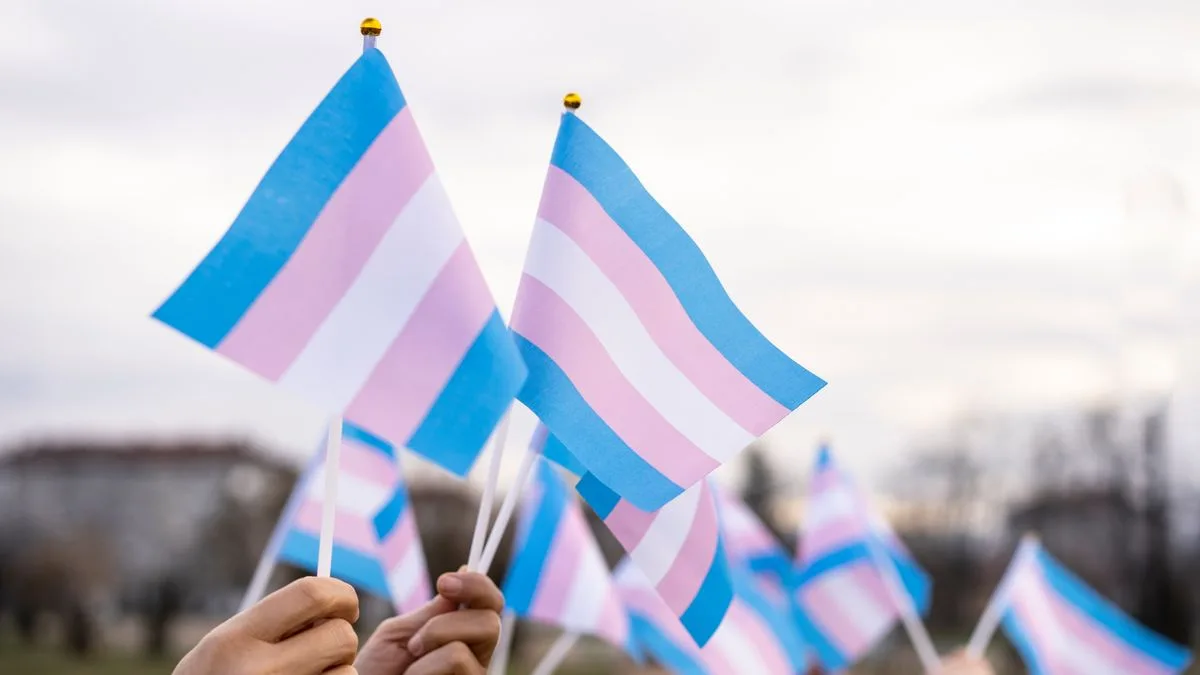
Thousands of Women Mobilise Against Trans Exclusion on Ruling Anniversary
One year since the UK Supreme Court's landmark biological sex ruling, a powerful grassroots movement has emerged, with thousands of women joining forces to reject the rising exclusion of trans people. A new report has laid bare the profound impact on trans safety and inclusion in British society, sparking a significant backlash from women who refuse to have their voices co-opted.
The Supreme Court Decision and Its Immediate Fallout
On April 16, 2025, the UK Supreme Court delivered a unanimous verdict that the terms "woman" and "man" in the Equality Act 2010 should be defined solely by "biological sex." This ruling came after the organisation For Women Scotland appealed against the Scottish Government's usage of the term 'woman,' arguing that sex-based protections should only apply to people born female.
Justices Lord Hodge, Lady Rose, and Lady Simler gave the joint judgment, with which all other Justices agreed. Immediately following the decision, trans activists and charities expressed grave concerns that the ruling would open doors to further harms against the trans community.
Documenting the Impact: Exclusion in Practice
The 2025 Trans Segregation in Practice report has now confirmed these fears, documenting how trans people have been systematically excluded from society in the months following the ruling. The report includes harrowing testimonies from both cis and trans individuals who find themselves exiled from lives they knew and felt safe within just months earlier.
Findings reveal that approximately 53% of trans respondents and 17% of cis respondents reported having been stopped, questioned, or harassed while entering gendered spaces in the UK throughout their adult lives. These statistics paint a troubling picture of increased surveillance and discrimination in everyday settings.
Voices from the Frontlines: Trans Community Speaks Out
Helen Belcher, director at TransActual, reflected on the ruling's anniversary about its devastating impact. "The Supreme Court ruling last year turned tens of thousands of trans people's lives upside down," she stated. "There is no longer any clarity over where people can do basic things that enable them to participate in public life, such as use public toilets or changing rooms."
Belcher continued with alarming statistics: "This has led to trans and gender non-conforming people no longer feeling safe in British society or at work. One in four trans adults are reportedly planning to leave the UK, which is a real indictment on this government and our media."
The Birth of Not In Our Name: Women Reclaim Their Narrative
In the weeks following the ruling, as media narratives framed the decision as a 'win' for cis women, a collective called Not In Our Name (NION) was founded. This group of women, who believe in the acceptance and inclusion of trans people, refused to stay silent while trans individuals were being scapegoated in their name.
NION organisers explained their motivation: "Women who had stayed out of this conversation - because it had become so toxic and polarised that engagement felt impossible - started signing. Mothers, teachers, nurses, and friends, ordinary women who had watched the debate from a distance and who had felt increasingly uncomfortable with what was being said and done, but had nowhere to put that discomfort - until our open letter gave them an outlet."
A Growing Movement: Nearly 100,000 Signatures and Counting
The NION open letter - which completely and categorically rejects the active discrimination and exclusion of trans, non-binary, and gender-diverse people in the name of cisgendered women - has now garnered almost 100,000 signatures. This remarkable show of solidarity demonstrates that significant numbers of women reject narratives that pit trans rights against women's rights while ignoring the real sources of gender-based oppression and violence.
The movement has attracted support from a network of influential allies, including Carla Denyer MP, Kate Nash, Beverley Knight, Denise Welch, Kate Osborne MP, David Tennant, and Zack Polanski. This broad coalition underscores the growing recognition that trans inclusion and women's rights are not mutually exclusive causes.

Looking Forward: Reclaiming the Conversation
As NION organisers emphasise: "That is the story we want to tell on this anniversary: not one about a ruling, but the one about what happens when women whose voices have been co-opted and weaponised against the trans+ community finally get handed the microphone."
The movement represents a significant shift in the national conversation about gender and inclusion, with thousands of ordinary women reclaiming their voices to advocate for a more inclusive society that protects all its members regardless of gender identity.