A senior official from Donald Trump's administration has launched a sharp critique of the British government, accusing it of censoring free speech through the arrest of individuals expressing support for the proscribed group Palestine Action.
US Undersecretary Questions UK's Approach
Sarah Rogers, the US Undersecretary for Public Diplomacy, stated that prosecuting people for "merely" voicing support for the organisation is counterproductive. "I think that censoring that speech does more harm than good," she told the news platform Semafor. While she clarified that support for groups like Hamas should be scrutinised, she distinguished between coordination with violent actors and simple expression of backing.
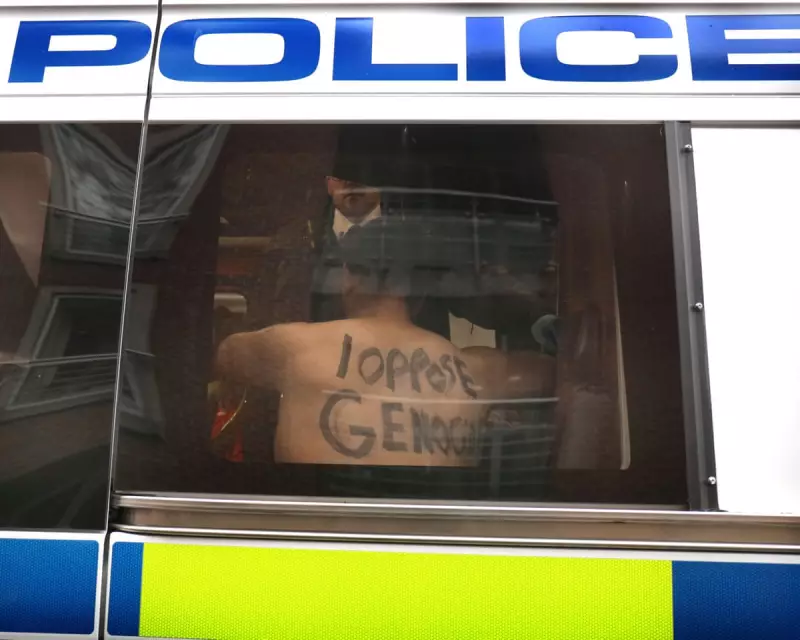
The controversy stems from a parliamentary vote in July 2025, when MPs proscribed Palestine Action as a terrorist organisation. This followed the group's incursion at RAF Brize Norton, where activists vandalised military planes. In the subsequent months, a wave of arrests saw more than 2,000 people detained. Many arrests were linked to individuals holding signs stating, "I oppose genocide, I support Palestine Action."

A Transatlantic Clash on Liberties
Rogers's comments highlight a growing transatlantic friction over civil liberties. She and other senior White House figures, including Vice-President JD Vance, have persistently criticised what they perceive as a lack of free speech protections in the UK. Rogers recently drew a contentious parallel, comparing Britain under Labour Prime Minister Keir Starmer to Vladimir Putin's Russia, referencing debates over regulating social media platform X.
During the Semafor interview, Rogers was challenged on being "silent" on the suppression of pro-Palestinian speech in Europe. She defended her record, citing an instance where she argued the phrase "globalise the intifada" should remain legal in most contexts, despite finding it personally unacceptable. "You and I have uttered that phrase on this programme, and hopefully even the British government doesn't want us arrested," she remarked.
UK Police Adopt Firmer Stance on Protest Chants
Her comments directly contrast with the stance of UK police forces. In December, the Metropolitan Police and Greater Manchester Police announced a joint policy to arrest anyone chanting "globalise the intifada" or displaying it on placards. Police leaders stated they were recalibrating their approach to be more assertive in the face of escalating threats and community fear.
This debate unfolds against a backdrop where the Trump administration itself faces significant criticism for its own record on free speech. The administration has been accused of an unprecedented assault on expression, including the arrest of pro-Palestinian protest leaders and threats against media outlets.
The core tension remains between national security priorities and the fundamental right to protest. The UK government's proscription of Palestine Action and the subsequent enforcement actions are framed as necessary counter-terrorism measures. However, critics like Rogers argue they risk criminalising legitimate political expression and damaging the very democratic values they aim to protect.