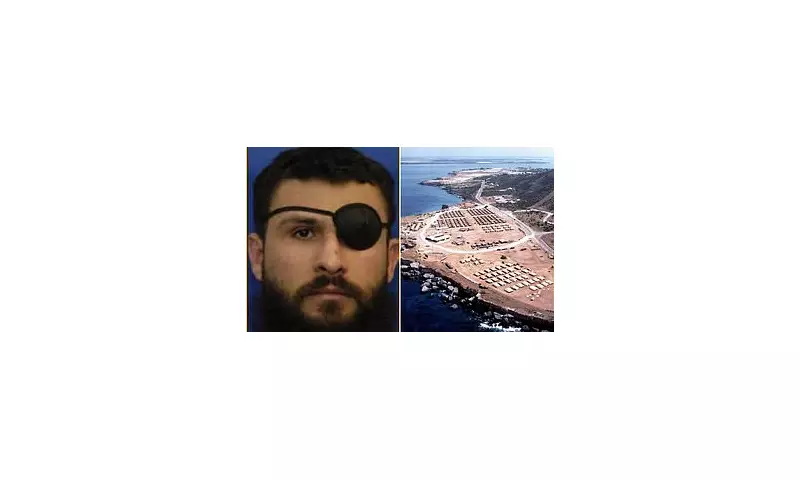
A Saudi-born man detained for nearly two decades at Guantanamo Bay without charge has received a 'substantial' financial settlement from the British government. Abu Zubaydah alleged that UK intelligence services were complicit in his torture by the CIA.
A Two-Decade Ordeal Without Trial
Abu Zubaydah, now 54, was first captured in Pakistan in March 2002 by US and Pakistani forces. Initially hailed by then-President George W. Bush as a senior al-Qaeda operative, the US government later withdrew that allegation. He was transferred to the notorious detention camp at Guantanamo Bay, Cuba, in 2006, where he remains today.
He has the grim distinction of being the first person subjected to the CIA's 'enhanced interrogation' programme. These techniques, which he endured, included waterboarding, sleep deprivation, and slapping.

UK Intelligence Accused of Complicity
Zubaydah's legal claim against the United Kingdom centred on accusations that MI5 and MI6 knew he was being mistreated but continued to supply questions for his interrogators. His international legal counsel, Professor Helen Duffy, confirmed the settlement has been reached.
While the exact figure remains confidential for legal reasons, Professor Duffy stated it 'should enable him to re-establish a life and have a future' if he is ever released. She emphasised, however, that money alone is insufficient.
'What he wants is his freedom and his ability to try to live some kind of normal life, 24 years of which have been taken away from him,' she told the Daily Mail.
The Fight for Freedom and a Future Home
Abu Zubaydah is one of only 15 detainees still held at Guantanamo, often called a 'forever prisoner'. Professor Duffy called for political action from the UK to help secure his release and relocation to a safe country.
'I think it's important to note that it's not that difficult for the United Kingdom to offer to help the United States to bring this costly and irrational detention at Guantanamo Bay to an end,' she said. 'He would be very grateful for any offer.'
Dominic Grieve KC, the former Attorney General who chaired a parliamentary inquiry into the case, described the compensation as 'very unusual'. He acknowledged the UK had evidence that 'the Americans were behaving in a way that should have given us cause for real concern' and that cooperation should have been halted.
Despite the payout, Zubaydah remains incarcerated at the Cuban facility and cannot access the funds. His legal team and supporters continue to argue there is no legal or moral basis for his ongoing detention without charge or trial.