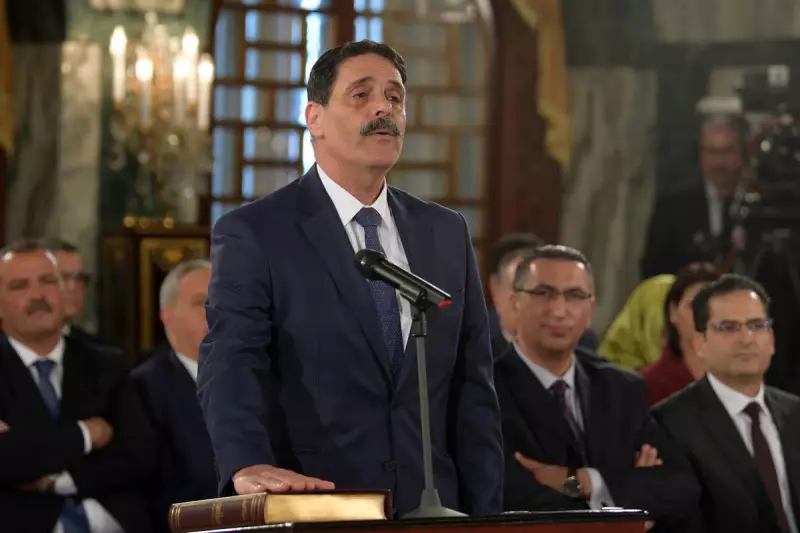
Tunisian authorities have detained a leading human rights lawyer, marking a significant escalation in the government's suppression of political opposition and critical voices.
Arrest and Hunger Strike Declaration
On Tuesday, 2 December 2025, police arrested prominent opposition lawyer and long-time human rights defender Ayachi Hammami at his home outside the capital, Tunis. The arrest followed a five-year prison sentence issued against him just last week. The sentence was part of a major case alleging 'conspiracy against state security'.
Following his detention, Hammami released a pre-recorded video on Facebook announcing he would begin an open-ended hunger strike until his demands for freedom are met. In the message, he vowed to turn his prison cell into a space of resistance against President Kais Saied's authority, calling for unity in the face of tyranny.

Broad Crackdown on Dissent
Hammami is one of at least 40 individuals, including politicians and business figures, who received prison sentences ranging from two to 45 years in the same sweeping case. The verdicts were delivered by the Tunis Court of Appeal.
In a related development, opposition figure and National Salvation Front leader Chaima Issa was also arrested after receiving a 20-year sentence. Plainclothes officers seized her on Saturday, forcing her into an unmarked vehicle after an opposition protest. Issa has also announced she is beginning a hunger strike.
International Condemnation and Family Response
Major human rights organisations, including Human Rights Watch and Amnesty International, have condemned the legal proceedings. They describe the charges as politically motivated and part of a systematic effort by President Saied to quash dissent in Tunisia, the nation once hailed as the birthplace of the Arab Spring.
Hammami's daughter, Fida Hammami, told The Associated Press that her father's sentence came from a court that had 'lost all its independence'. She labelled the trial a sham, based on unfounded charges and riddled with due process violations. She stated his arrest is the latest example of a crackdown on dissent and critical expression, affirming he would continue his fight for democracy from within prison.
The Tunisian government has repeatedly rejected accusations of political motivation behind the prosecutions. Officials state the actions are necessary to safeguard the state from serious national security threats and alleged plots to destabilise the country.