Readers of the Guardian have voiced strong criticism and perplexity after a major photographic feature purporting to tell the story of the 21st century so far omitted harrowing images from the recent bombardment of Gaza. The selection, published on 27 December and titled 'The sight of it is still shocking': 46 photos that tell the story of the century so far', has been called out for a significant editorial blind spot regarding one of the most documented conflicts of our time.
A Glaring Omission in the Visual Record
In a letter to the editor, one reader highlighted the puzzling absence of imagery depicting the devastation in Gaza. They argued that photographs of the conflict are indelibly seared into the collective memory of billions, particularly across the global south, and are as defining as images from the war in Ukraine. The reader pointed to several specific, powerful subjects they believed warranted inclusion.
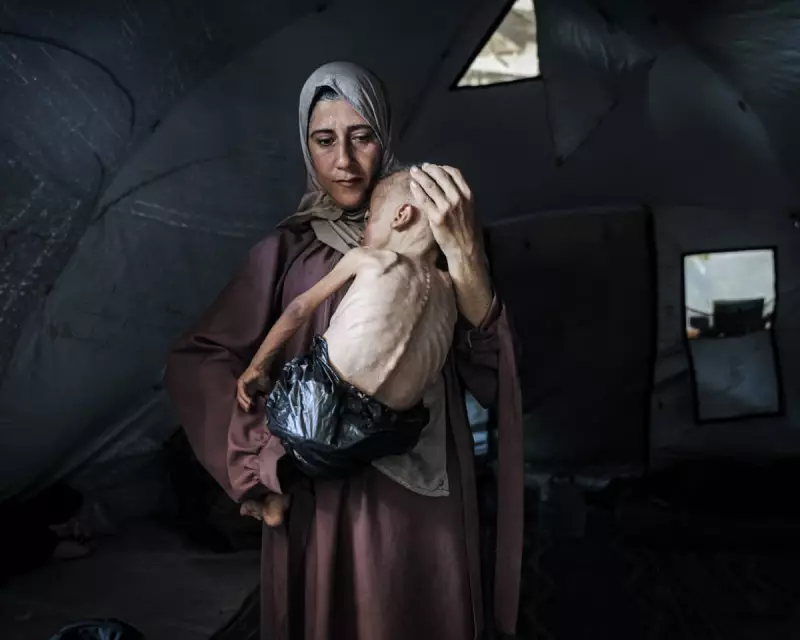
These included the skeletal remains of Gaza's landscape after intense bombardment, the widespread demonstrations on city streets and university campuses, and the arrests of pensioners and priests protesting against what they describe as starvation and genocide. A particularly poignant image mentioned was that of 18-month-old Muhammad Zakariya Ayyoub al-Matouq, held by his mother while wearing a nappy fashioned from a black plastic bag, symbolising the dire humanitarian crisis.

The reader also noted the profound significance of the assembled portraits of 238 journalists killed in the conflict, a number recorded by the Gaza Media Center as the highest ever in any war. They concluded that the single included photograph of the West Bank separation barrier was no substitute for these devastating and iconic images.
A Poignant Parallel from the Past
In a separate response to the same photo special, another reader drew a literary parallel from a different image. The photograph of migrants stuck on the wall surrounding Melilla, a Spanish exclave in Morocco, which showed a golf links with players on the Spanish side, reminded them of an early 20th-century poem by American social reformer Sarah Norcliffe Cleghorn.
The poem, which reads "The golf links lie so near the mill / That almost every day / The laboring children can look out / And see the men at play," was cited as an imperfect but resonant analogy for the stark inequalities and juxtapositions captured in the modern image. The reader from Houghton-le-Spring, Tyne and Wear, Phil Coughlin, signed off with the sobering reflection that "it's an imperfect world."
Questions of Editorial Judgement and Collective Memory
The critical letters raise fundamental questions about editorial judgement, historical record, and what constitutes an iconic image of an era. The readers' core argument is that the omission constitutes a significant oversight, failing to acknowledge the scale of human suffering and its impact on global consciousness. By focusing the critique through the lens of the published letters, the debate extends beyond a simple complaint to a discussion about the responsibilities of major media institutions in curating the visual narrative of history.
The Guardian's own letters section, by publishing these responses, has facilitated a meta-conversation about its content and the choices made by its picture editors. The exchange underscores the powerful role readers play in holding publications to account and challenging the frameworks through which world events are presented and remembered.