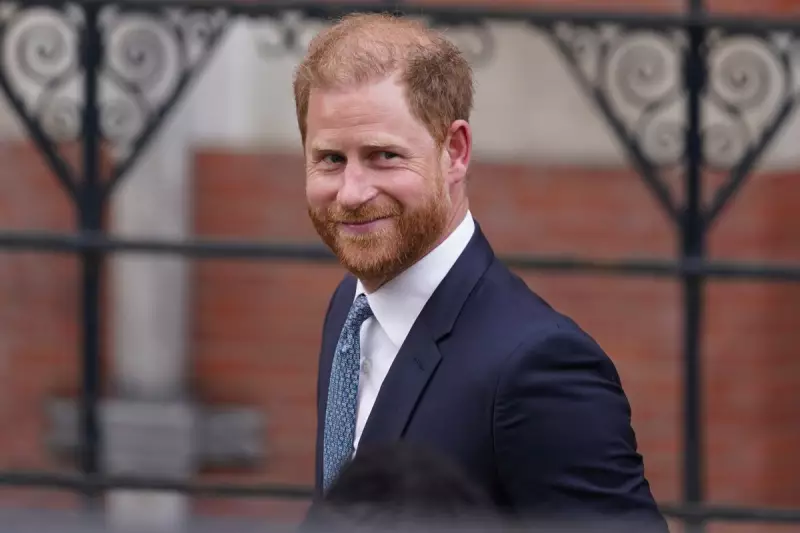
Prince Harry has returned to the United Kingdom for a major legal confrontation, as a potentially historic nine-week High Court trial against the publisher of the Daily Mail gets underway.
A Coalition of Claimants Alleges Serious Wrongdoing
The Duke of Sussex is not fighting this legal battle alone. He is joined by six other prominent individuals in a lawsuit that accuses Associated Newspapers Limited (ANL) of engaging in a range of unlawful activities to obtain private information. The other claimants include music legend Sir Elton John and campaigner Baroness Doreen Lawrence.
The allegations presented to the court are severe. The group claims that ANL, which also publishes the Mail on Sunday and MailOnline, used methods such as phone hacking, commissioning the services of private investigators, and making payments to police officers for confidential details. In the most serious claim, the publisher is alleged to have even commissioned burglaries to gather information.

Publisher's Vehement Denial and 'Preposterous Smears'
Associated Newspapers has responded to the allegations with a firm and comprehensive denial. The publisher has labelled the claims as 'preposterous smears' and has suggested they form part of a wider, orchestrated campaign against its titles.
This stance sets the scene for a fiercely contested trial that is expected to last for more than two months. The legal costs for both sides are predicted to run into the millions of pounds, underscoring the high stakes for everyone involved.
Harry's Continued Legal Campaign Against the Media
This case represents the latest chapter in Prince Harry's ongoing campaign to hold British tabloid media to account. The prince has previously taken successful legal action against other major newspaper groups, including Mirror Group Newspapers and News Group Newspapers (publisher of The Sun), over similar practices of phone hacking and unlawful information gathering.
His arrival in the UK on Monday 19 January 2026 specifically for this trial highlights its personal and professional significance. The outcome could have substantial ramifications for media ethics, privacy law, and the relationship between public figures and the press in the UK.