Education Secretary Bridget Phillipson is at the centre of a political storm after being accused of blocking crucial new transgender guidance designed to protect women-only spaces.
The Cabinet minister, who also holds the portfolio for women and equalities, has reportedly refused to sign off on the rules for over three months. In a statement submitted to the High Court, she argues that the proposed guidance is discriminatory.
Legal Battle Over Equality Definitions
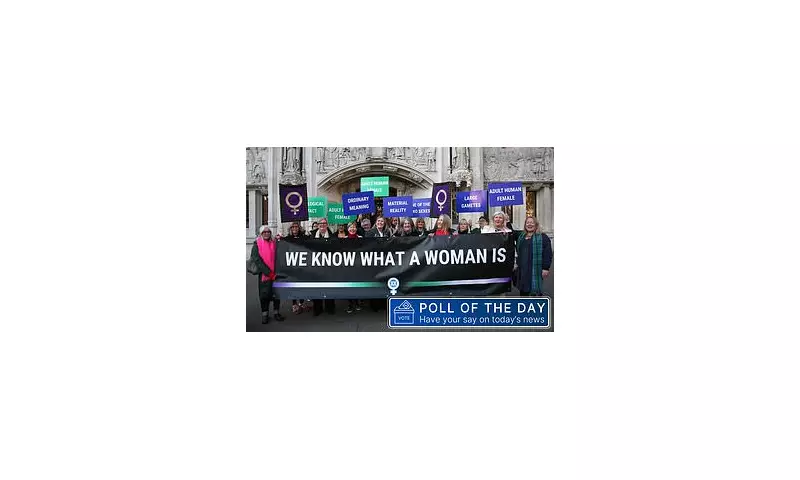
The guidance in question was drafted by the Equality and Human Rights Commission (EHRC). This move came directly after a landmark Supreme Court ruling which stated that, under current equality law, only biological women are considered women.

According to reports, Ms Phillipson has described the proposed measures as 'trans-exclusive'. Her legal submission claims they are inherently discriminatory. A key point of contention is that the guidance could force businesses and public bodies to ban transgender women – individuals who are biologically male – from female facilities like lavatories.
Concerns Over Practical Implications
The minister is said to have raised concerns about the wider implications of such bans. One argument presented is that if transgender women are excluded, it could also logically mean that women could not take their infant sons into changing rooms at places like public swimming pools.
This, she contends, highlights the potentially problematic and far-reaching consequences of the EHRC's strict interpretation of the law.
Insistence From Minister's Camp
Despite the court submission and the three-month delay, sources close to Bridget Phillipson have pushed back against the narrative. They have insisted she is not actively blocking the guidance. The situation presents a complex clash between legal definitions, equality rights, and practical safeguarding.
The delay leaves organisations across the country in limbo, awaiting clear legal direction on how to manage single-sex spaces while adhering to equality legislation.