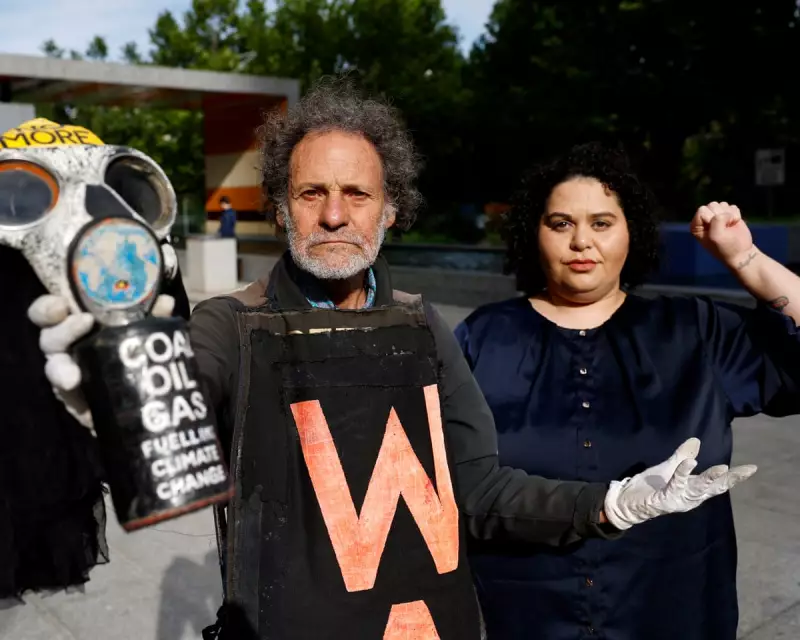
The organiser behind a prominent Invasion Day rally in Melbourne is launching a legal challenge against controversial police powers that allow officers to stop and search people without suspicion in the city's central business district.
Contested Powers Under the Spotlight
Meriki Onus, a Gunnai and Gunditjmara woman who helped organise the so-called 'Greedozer' rally on 26 January 2025, is at the centre of the new court action. The challenge targets the ‘designated area’ powers granted to Victoria Police under the Control of Weapons Act. These powers allow officers to stop and search individuals within a specified zone for weapons, without needing to have a reasonable suspicion that the person is carrying one.
The specific zone in question covered a large part of Melbourne's CBD, including Flinders Street Station and Federation Square, and was declared by police in the lead-up to the Invasion Day rally. The legal team, led by barrister David Hancock and supported by the Flemington & Kensington Community Legal Centre, argues these powers are unconstitutional and represent a significant overreach.

The Rally and the Police Response
The 'Greedozer' rally, which called for truth-telling and treaty ahead of Australia Day, saw thousands of participants. Onus has stated she was subjected to a stop-and-search under these powers on the day of the protest. Her legal team contends that the broad application of the powers infringes on fundamental rights, including the implied freedom of political communication.
"These powers create a police state in the heart of our city," said Onus. "They are used disproportionately against First Nations people, young people, and those exercising their democratic right to protest." Court documents reveal that during the operation, police conducted hundreds of searches but made only a small number of weapon-related arrests.
Broader Implications for Civil Liberties
The outcome of this case could have far-reaching consequences for policing and protest rights not just in Victoria, but across Australia. Similar 'stop-and-search' powers exist in other jurisdictions and are often deployed around major public events. A successful challenge could force a major rethink of how police balance public safety with individual liberties.
The legal argument hinges on the claim that the powers are too broad and not sufficiently justified. The plaintiffs assert that the legislation does not adequately limit the discretion of police or the geographic scope and duration of the designated areas, making it incompatible with a free and democratic society.
A directions hearing for the case is scheduled for February 2025 in the Supreme Court of Victoria. The case is being closely watched by civil liberty groups, legal experts, and activist communities who see it as a critical test for the limits of state power in controlling public space and assembly.