
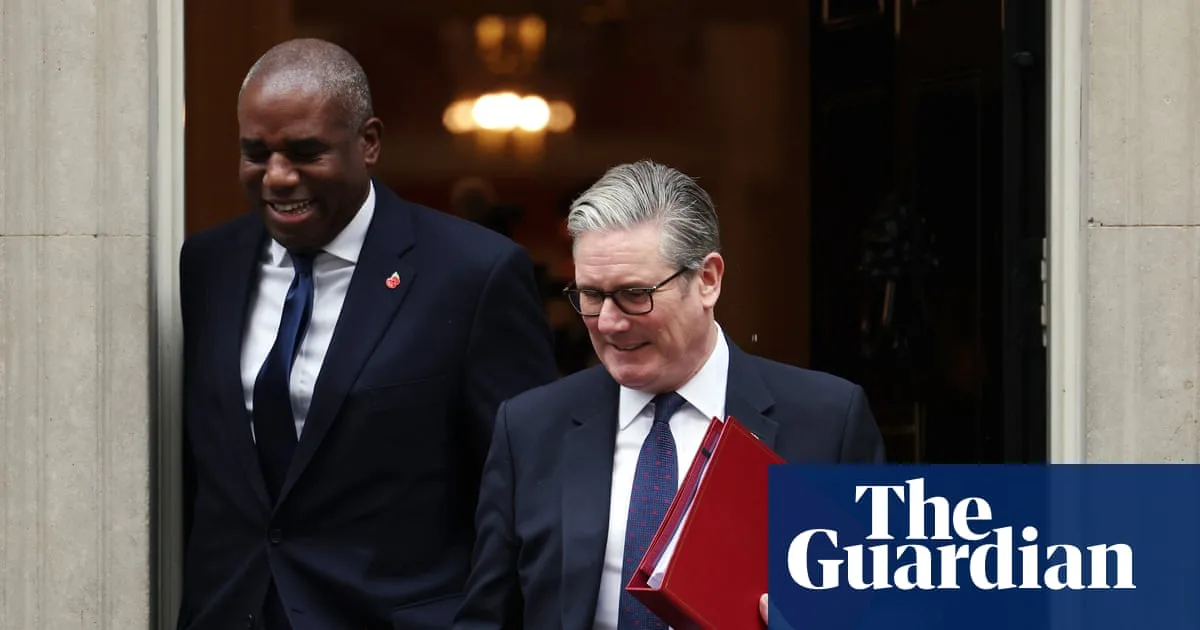
More than 3,200 lawyers, including 300 senior barristers, have written to Prime Minister Keir Starmer opposing government plans to reduce jury trials in England and Wales. The letter, organised by the Bar Council, describes the proposals as “unpopular, untested and poorly evidenced”. It warns that removing juries for cases with sentences up to three years could lead to miscarriages of justice.
The intervention comes as the government faces a potential backbench rebellion, with over 65 Labour MPs reportedly considering voting against the bill. Justice Secretary David Lammy met Labour MP Karl Turner on Monday night but failed to change his mind. Turner, who previously coordinated a letter from 38 Labour MPs against the plans, said he had “absolutely not” been convinced.
The Conservatives are expected to force a vote to block the bill’s second reading on Tuesday. Courts minister Sarah Sackman declined to confirm whether rebel Labour MPs would lose the whip, stating that “nothing difficult or worth doing was ever easy”. Shadow justice secretary Nick Timothy accused the government of “an unacceptable attack on an ancient right”.
Lammy defended the plans in an opinion piece, arguing that the crown court backlog had nearly doubled from 38,000 cases in 2019 to 80,000. He warned that blocking the bill would allow criminals to walk free. However, former post office operator Jo Hamilton, wrongly convicted in the Horizon scandal, wrote to Lammy saying the changes would “further erode trust in the establishment”.
The letter to Starmer, also signed by former Director of Public Prosecutions Sir David Calvert-Smith, stated that juries had not caused the court crisis. It cited the Leveson review, which found chronic underfunding to be the main cause. The legal professionals urged the government to rethink the proposals, which they said would undermine a fundamental safeguard.




