The Department for Work and Pensions has officially confirmed a significant financial uplift for state pensioners across the United Kingdom, set to take effect from April this year. During a session of Work and Pensions questions in the House of Commons on Monday, March 9, Parliamentary Secretary to the Treasury Torsten Bell disclosed that pensioners will see an annual increase of £575 starting next month.
Triple Lock Drives Substantial Pension Growth
Mr Bell elaborated that DWP projections indicate a remarkable cumulative rise, with pensioners expected to receive an additional £2,100 per year by April 2029. He emphasised that this growth is a direct result of the Government's steadfast commitment to the triple lock mechanism throughout the current Parliament. The triple lock ensures that state pensions increase by the highest of average earnings growth, inflation, or 2.5%.
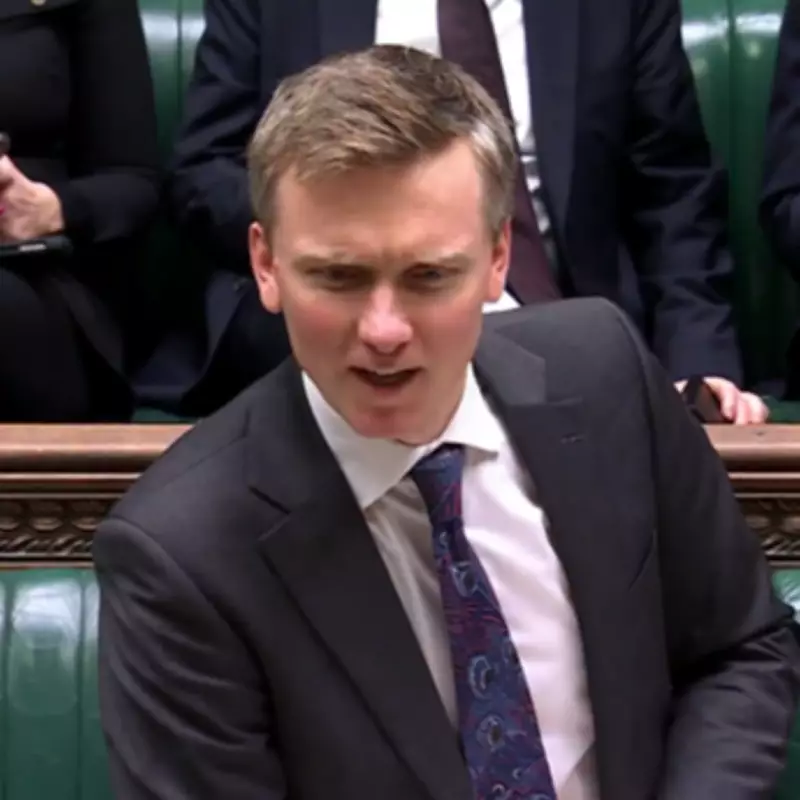
In his statement to the chamber, Mr Bell said: "The yearly amount of the full new state pension is projected to rise by about £2,100 a year over the current Parliament. That reflects the Government’s commitment to the triple lock for the duration of the Parliament. Payments of both the basic and new state pensions will increase by 4.8% in a few weeks’ time, boosting pensioners’ incomes by up to £575 a year."
Specific Rates for the 2026/27 Financial Year
The detailed weekly rates for the upcoming financial year have been outlined as follows:
- New State Pension: £241.30 per week for individuals who reached State Pension age on or after April 6, 2016. This represents an increase from £230.25 in the 2025/26 period.
- Basic State Pension: £184.90 per week for those under the old system, up from £176.45 in the previous year.
Addressing Pensioner Poverty and Isolation
Following the announcement, Labour MP Peter Prinsley raised concerns about pensioners facing poverty and social isolation, despite the triple lock commitment. He inquired about specific governmental measures to alleviate these issues, noting that some constituents still rely on food banks.
In response, Mr Bell acknowledged that pensioner poverty, which had halved under the previous Labour Government, has seen a recent increase. He highlighted ongoing efforts, including the largest-ever campaign to boost pension credit uptake and new initiatives targeting essential costs, particularly energy bills, which are due to be implemented in the coming weeks.
Demographic Shifts and Future Projections
Mr Bell also provided context on the aging population, noting that the UK currently has 12 million pensioners, a figure projected to surge to 18 million over the next five decades. He defended the triple lock policy, stating: "Our view is that having the triple lock drive above-inflation increases, on average, among pensioners is the right thing to do for this Parliament. That is why we set it out in our manifesto, and that is what is driving the increases in the state pension."
Political Criticism and Government Defence
The announcement was met with criticism from Tory MP Mark Garnier, who accused the Government of undermining private pension savings through recent policies, such as introducing inheritance tax on pensions and capping salary sacrifice incentives. He argued that these actions could make individuals more dependent on the state pension rather than fostering personal financial independence.
Mr Bell countered by accusing Mr Garnier of inconsistency, suggesting a U-turn in his own stance. This exchange underscores the ongoing political debate surrounding pension reform and fiscal responsibility.
The DWP's confirmation of the £575 boost marks a pivotal moment for retirees, offering immediate relief amid broader discussions about long-term pension sustainability and social support systems. As the April implementation date approaches, pensioners can anticipate enhanced financial security, though challenges related to poverty and isolation remain focal points for future policy interventions.