Filipino Journalist Faces 40-Year Sentence After Six Years in Detention Without Trial
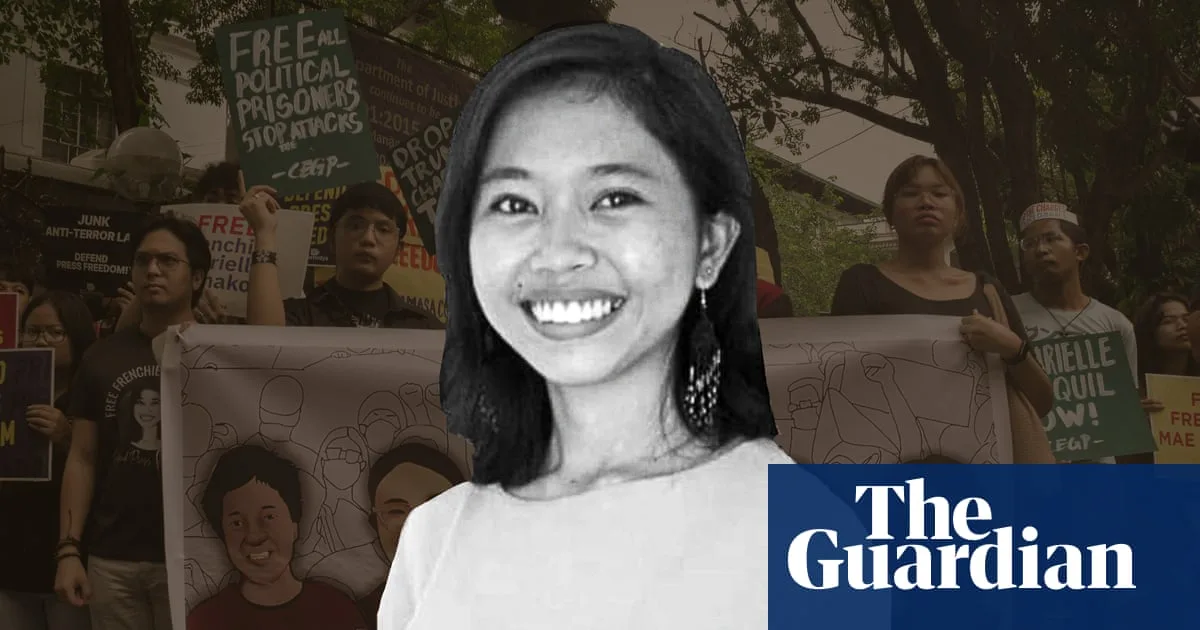
The case of Filipino journalist Frenchie Mae Cumpio has become a focal point for press freedom advocates worldwide. Arrested at just 21 years old, Cumpio has spent almost six years in prison awaiting trial on terrorism charges that many observers describe as fabricated.
A Pattern of Intimidation Before Arrest
In the weeks leading up to her arrest in February 2020, Cumpio experienced what she believed to be deliberate intimidation. The young journalist, who hosted a radio show and served as executive director of a local news website, reported several concerning incidents to colleagues.
A stranger began inquiring about her at her boarding house, she received funeral-style flowers, and two men followed her on a motorcycle. These events coincided with her recent investigative work documenting allegations from poor rural farmers who claimed army units were harassing them in their communities.
"Frenchie discovered that as militarisation intensified in the region, small farming communities were being terrorised and forced to abandon their villages," explains Neil Eco, a journalist colleague and friend. "Her critical reporting on these matters placed her directly in the government's and army's crosshairs."
The Midnight Raid and Questionable Evidence
Cumpio and human rights activist Alexander Abinguna had received warnings about potential targeting by police. So concerned were they about false accusations that Abinguna wrote to the Philippines Commission on Human Rights requesting an office inspection to verify no illicit materials were present.
Before any inspection could occur, however, police and military forces raided Cumpio's boarding house in the middle of the night. During the search, officers removed her from the premises. Approximately fifteen minutes later, they presented what they claimed to have found in her bed: a hand grenade, firearm, and communist flag.
"The entire episode resembled theatre," says Eco, who has campaigned tirelessly for her release. "Who genuinely sleeps with a grenade beneath their pillow? The scenario defies credibility."
Years of Detention and Pending Verdict
Since that night, Cumpio has maintained her innocence, insisting the weapons were planted and she has no involvement with terrorism. She, along with Abinguna and three other human rights activists arrested during the same raids, has spent nearly six years in Tacloban prison awaiting a ruling.
The court is expected to deliver its verdict imminently, potentially sentencing the now 26-year-old journalist to up to forty years imprisonment if convicted. While prosecutors previously accused her of double murder for allegedly killing two soldiers in an ambush—charges that have since been dropped—she still faces allegations of funding terrorism and possessing illegal weapons.
Cumpio contends that several thousand pounds in cash seized during the raid came from legitimate fundraising campaigns, not terrorist activities.
International Condemnation and Wider Context
A coalition of prominent press freedom organisations has condemned the case against Cumpio, describing the charges as "fabricated" and her prolonged detention as "inhumane." Her legal representative characterises the proceedings as "pure harassment."
Campaigners argue that Cumpio's detention forms part of a broader assault on human rights activists and journalists in the Philippines, where authorities frequently accuse them of involvement with the country's communist insurgency. This practice, known as "red tagging," intensified during former president Rodrigo Duterte's administration, which oversaw widespread police abuses and violent crackdowns against alleged communist rebels.
Investigations into police conduct have revealed patterns of unlawful arrests and executions, with evidence frequently planted to incriminate targets.
Dangerous Environment for Philippine Journalists
According to Reporters Without Borders data, the Philippines ranks among the world's most dangerous countries for journalists, particularly those working in radio broadcasting. Since 1986, at least 147 Filipino journalists have been killed while performing their duties, with 89 of these victims being radio presenters.
The Philippine government has issued a written response stating it "strongly denies allegations that the charges filed against Frenchie Mae Cumpio and her co-accused are baseless and politically motivated." The statement continues: "The Philippine government stands on high moral ground and rejects the rhetoric of 'red-tagging.'"
UN Concerns and Prison Conditions
Irene Khan, the UN special rapporteur for freedom of opinion and expression, has reported receiving numerous accounts from the Philippines describing "red tagging" followed by arrest on fabricated charges for serious offences and prolonged detention designed to harass journalists.
Regarding Cumpio's situation specifically, Khan notes: "Even if she is found innocent ... she has been languishing in prison for five years, waiting for a trial for five years—that to me represents a travesty of justice."
Conditions within the facility where Cumpio is detained have reportedly been dire at times. The women's prison, designed to accommodate approximately thirty individuals, has sometimes housed up to eighty women crammed into its small dormitory. The prison's warden resigned in late 2025 following complaints that inmates were being deprived of adequate meals and medical care.
Cumpio's Personal Account
In a handwritten letter conveyed from jail in 2025, Cumpio describes the allegations against her as "a story so absurd that if this were a class debate, you wouldn't even attempt to rebut it."
She writes poignantly: "These more than five years of detention are robbing us of so many things—time, family, dreams, plans, future. People call us brave for holding on, though I must admit I sometimes feel otherwise. The knowledge that they can charge us through mere lies. The fear that we still won't be safe even when we're out of this facility—nonetheless, we hold on."
As the court prepares to deliver its verdict, the international community watches closely, concerned about the implications for press freedom and human rights in the Philippines and beyond.




